 (1).png)
52% off
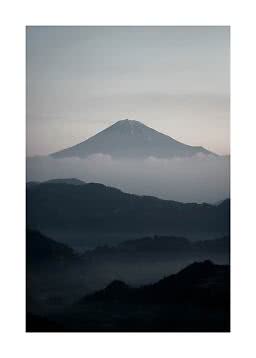
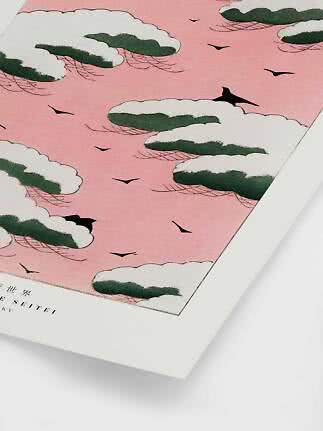
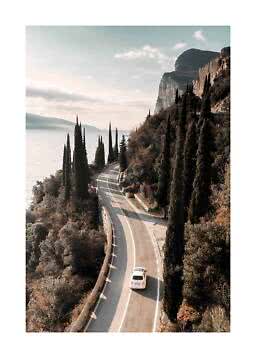
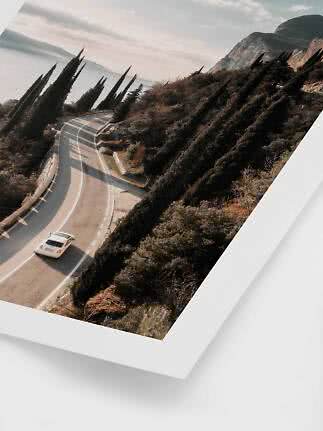
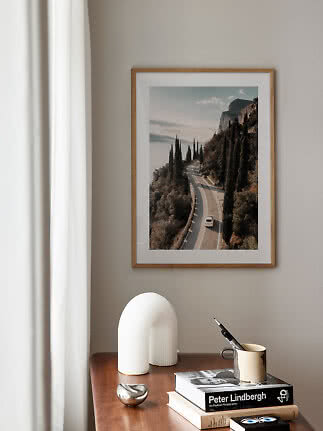
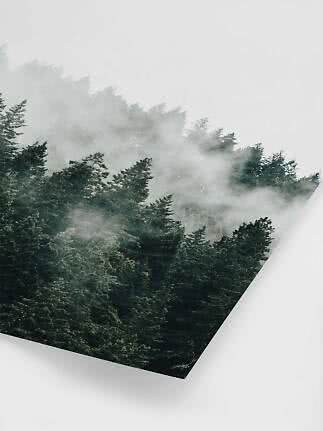
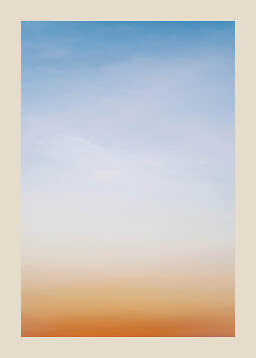
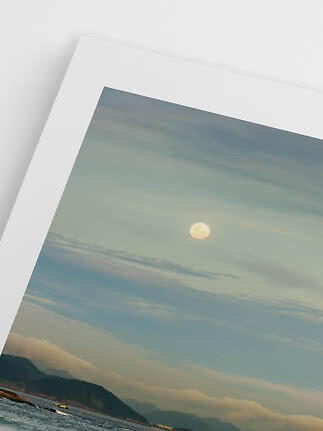
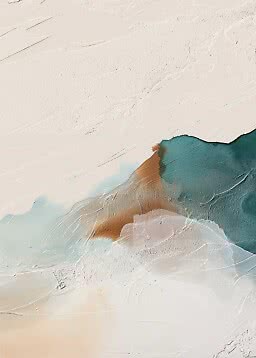
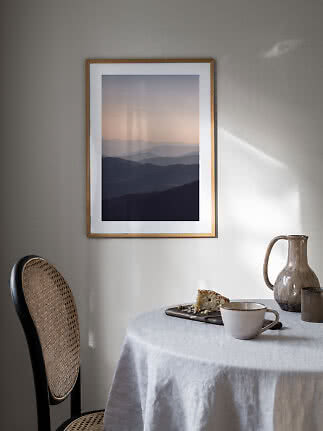
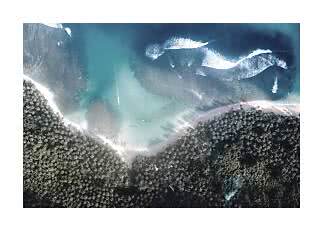
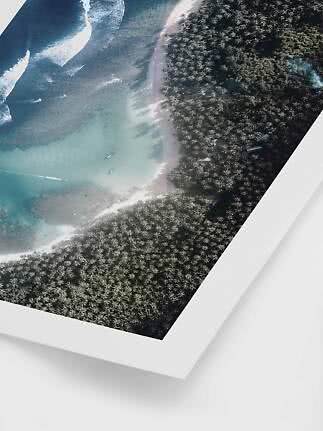
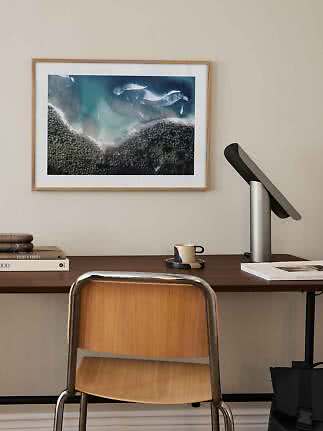
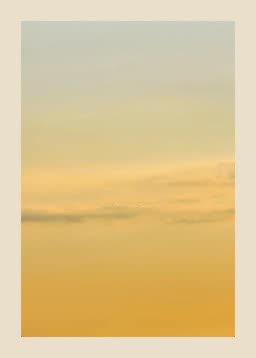
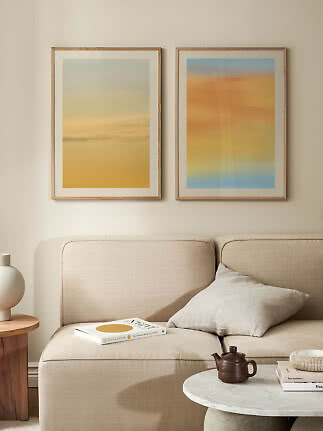
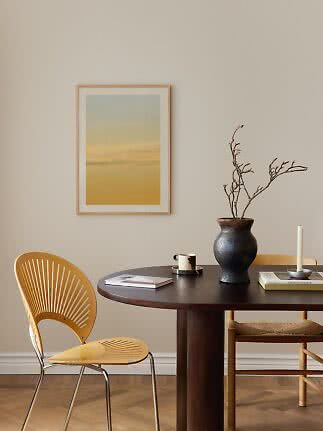
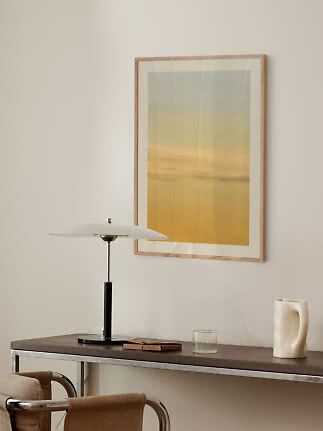
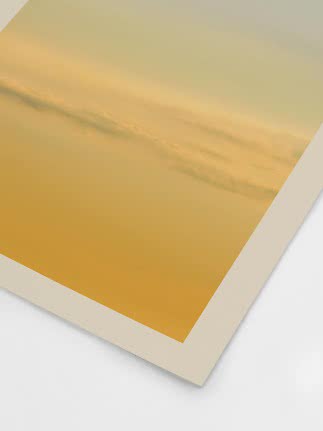
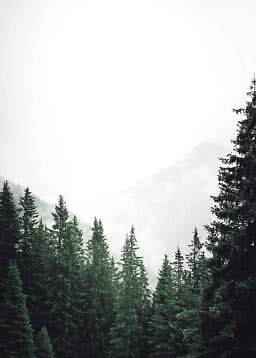
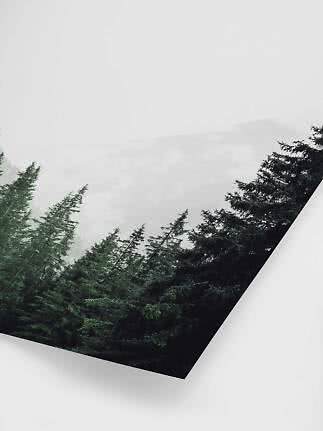
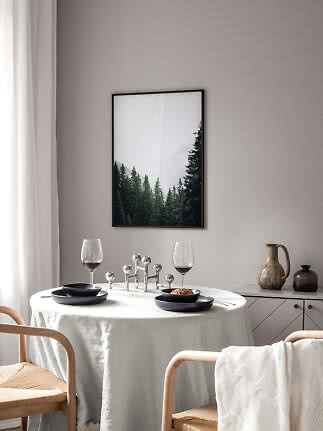
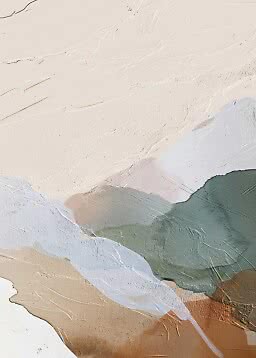
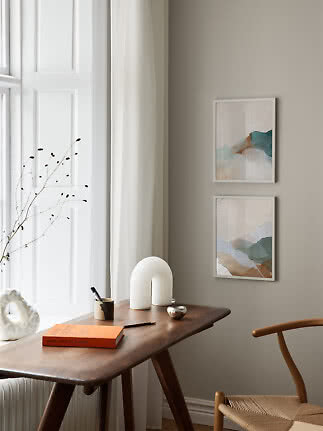
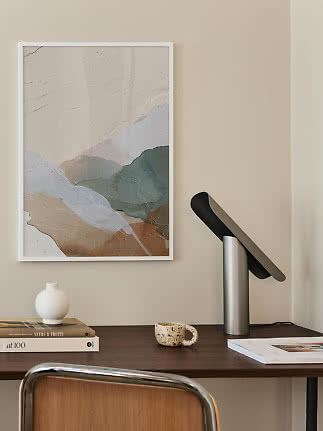
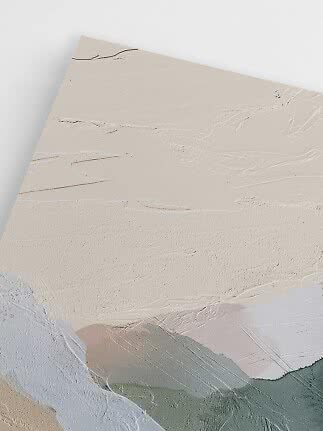
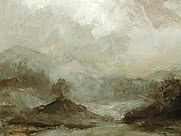
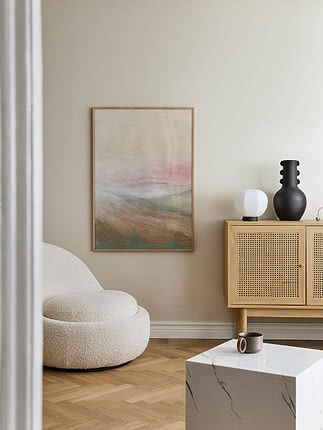
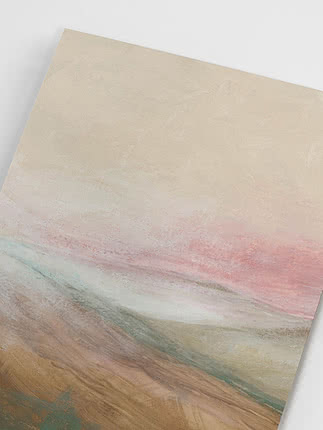
Misty Horizon
Rosana Laiz Blursbyai
New
$27.99$57.99
Some walls need a view more than they need a picture. A grey sea that barely moves, a summit catching the last of the light, a forest so deep you can almost smell the pine: landscapes change the pace of a room like few other motifs can, and they are the easiest art to live with, because nature never demands attention, it simply gives the eye somewhere to rest. The trick is to choose by mood rather than by place, then let size, placement and company do the rest. Here is how we would pick a landscape for every kind of room, from the calm of the coast to the drama of the mountains, and why the right view can make even a small room feel larger.
In short
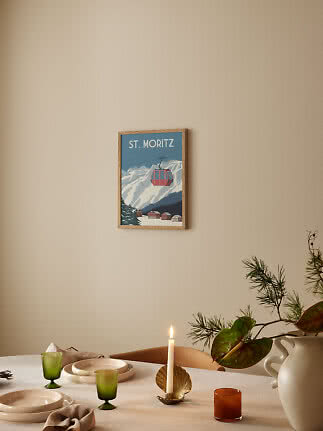
A favourite beach or a mountain you once climbed is a lovely place to start, and if the place itself matters most, our travel prints are made for exactly that. With nature wall art, though, it pays to begin with the feeling you want in the room. Every kind of landscape has its own temperament.
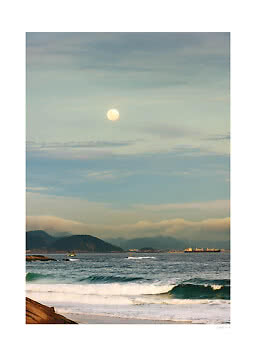
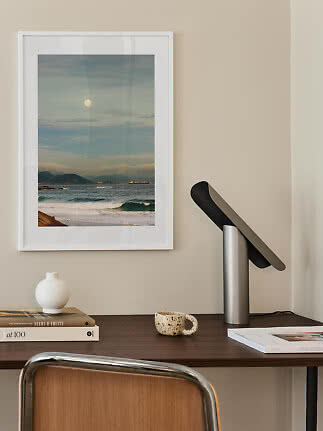
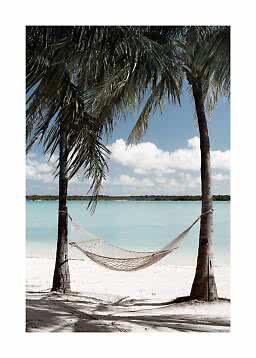
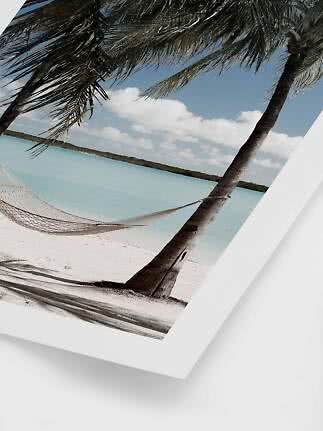
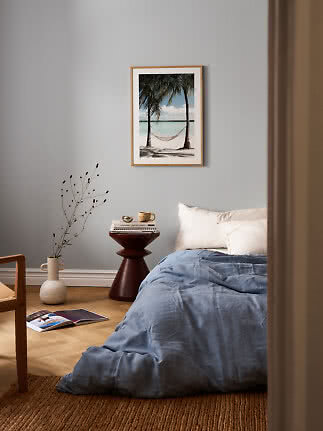
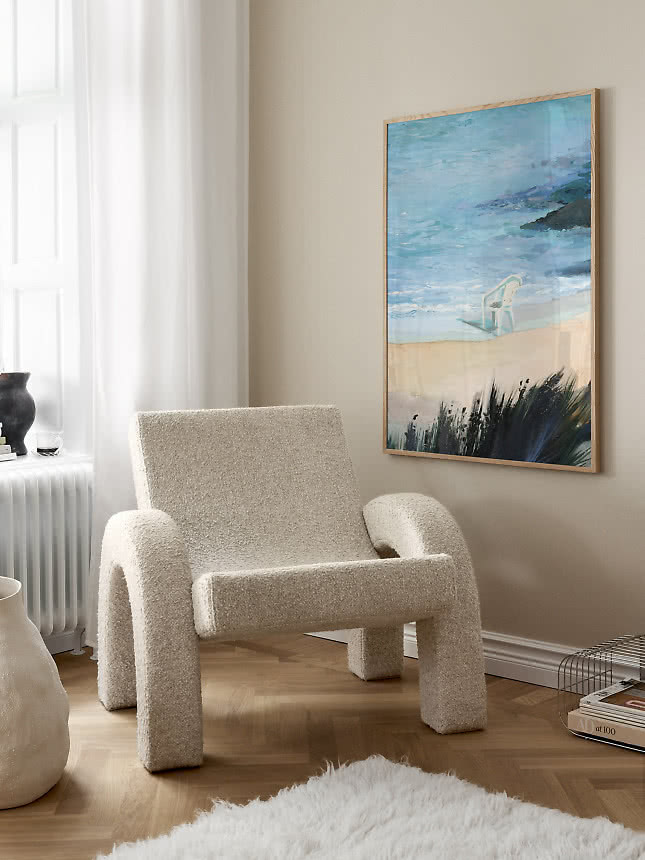
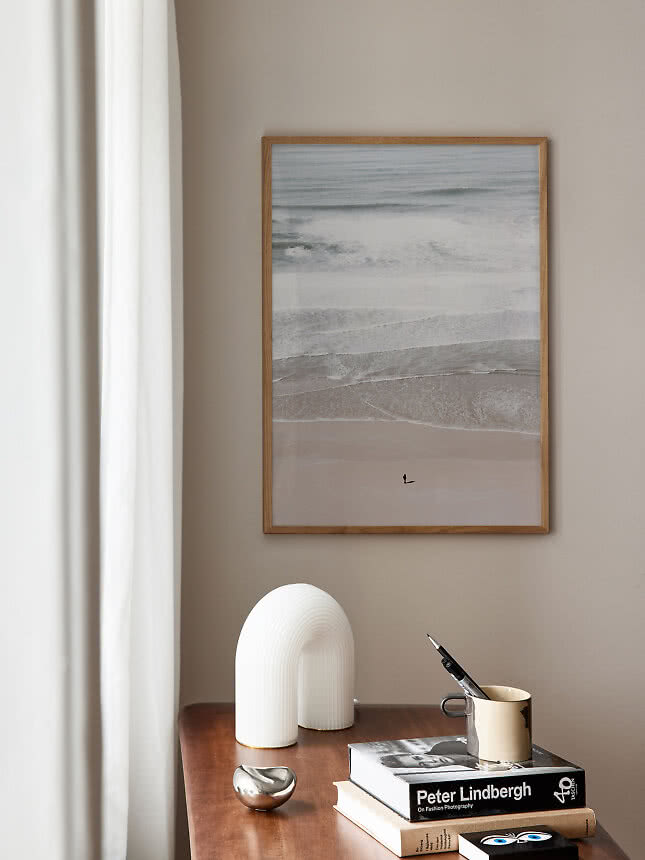
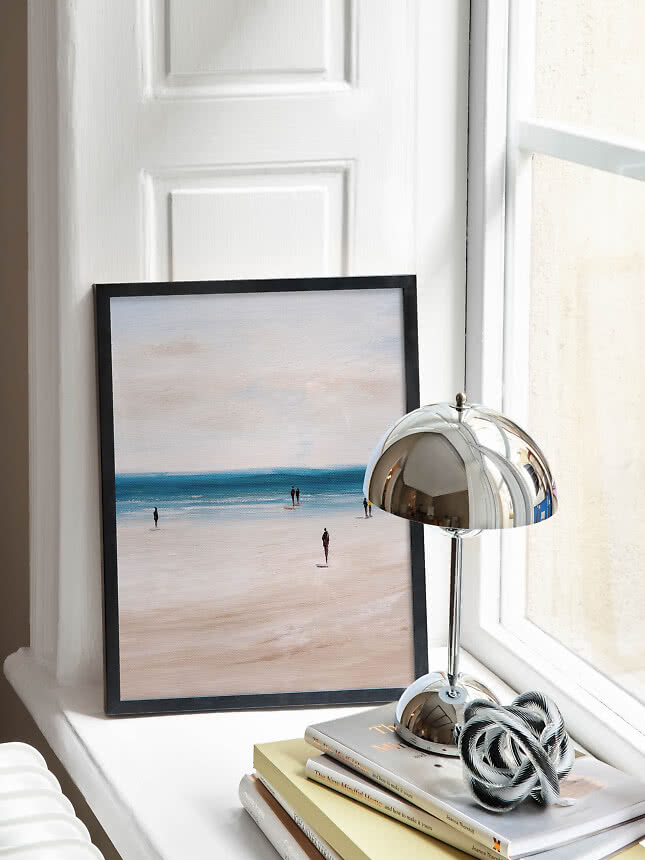
The sea is calm and light. A low horizon, pale sand and soft blue slow everything down. It is lovely in a bedroom or anywhere you want to breathe out, and it brightens a room that gets little daylight. Browse our beach and coastal prints.
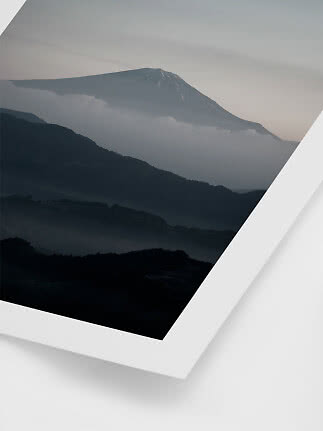
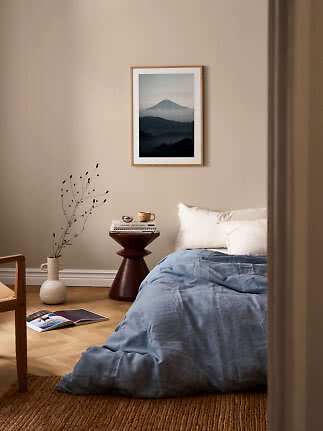
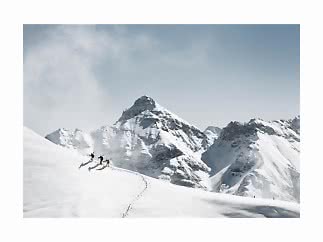
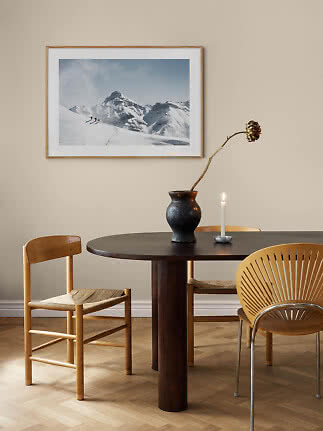
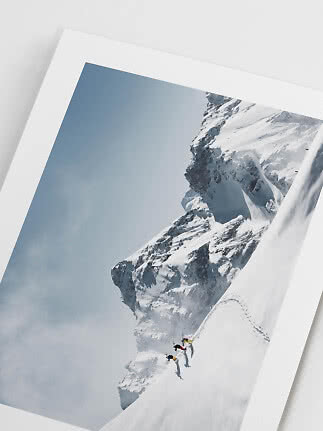
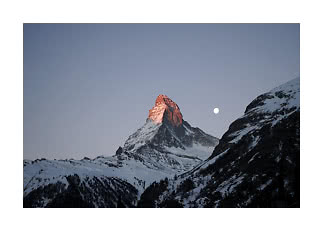
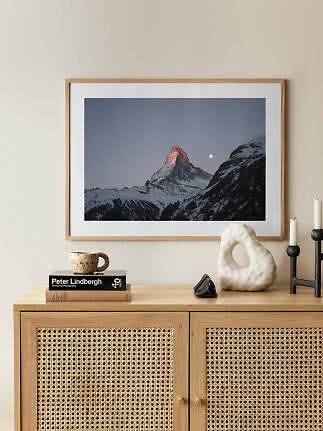
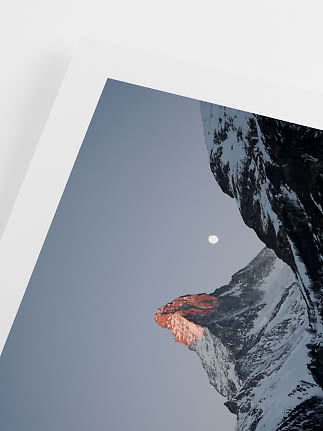
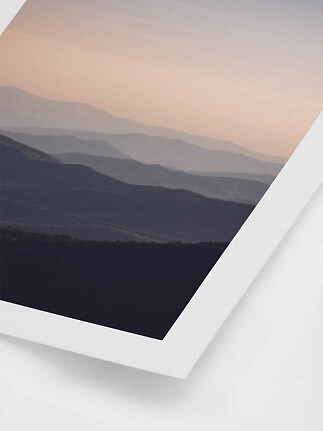
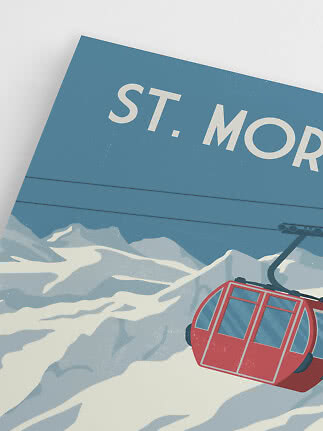
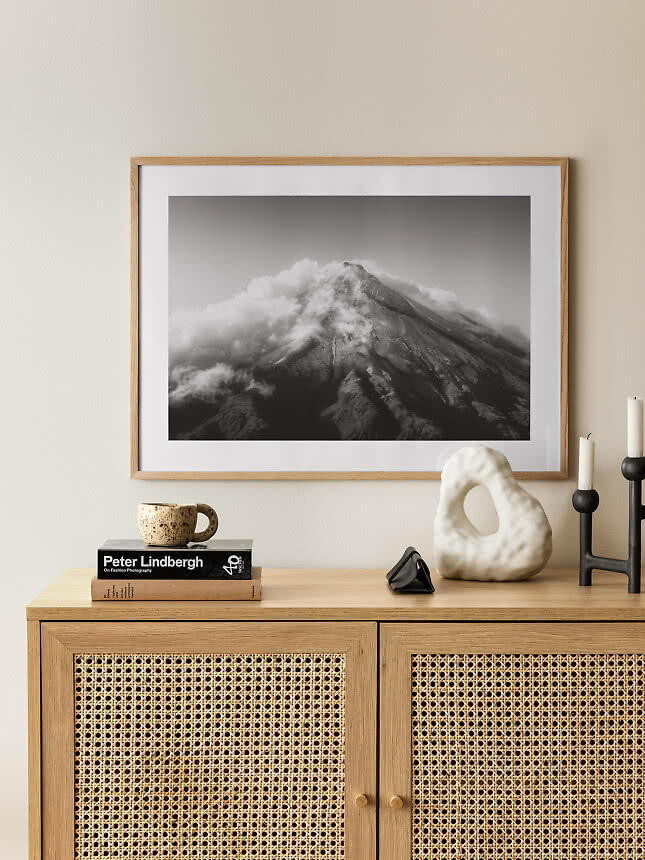
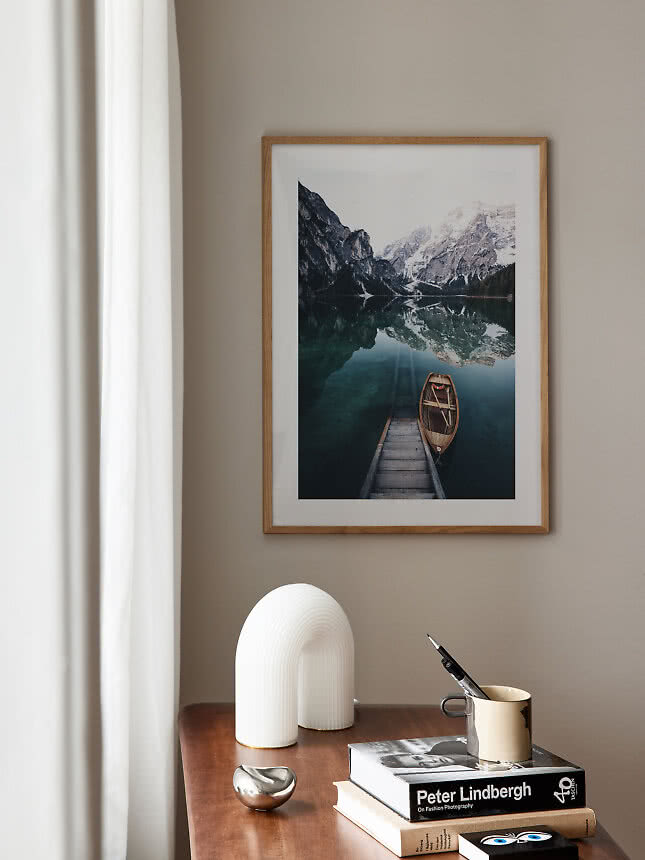
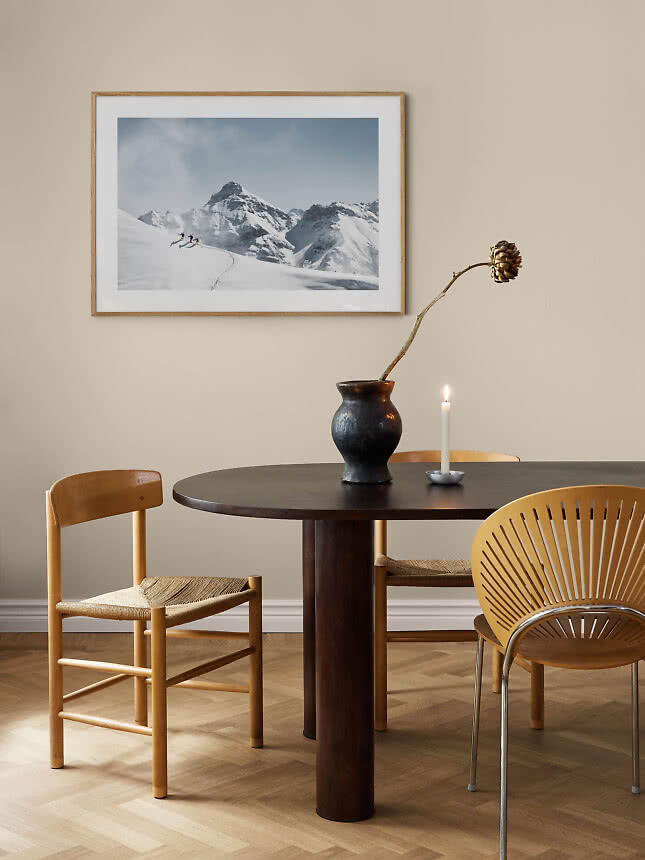
Mountains bring drama and height. Peaks pull the eye upwards and give a wall structure and strength. Snowy summits feel crisp and graphic, misty ridges almost meditative. They anchor a desk, a sideboard or a sofa that needs something bold above it. See all our mountain prints.
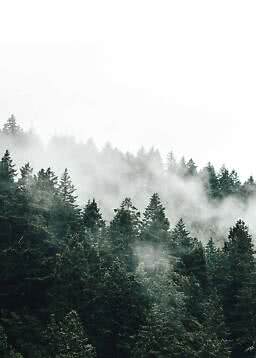
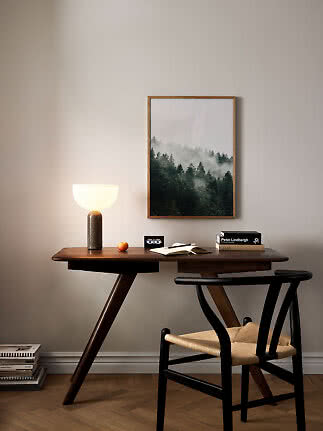
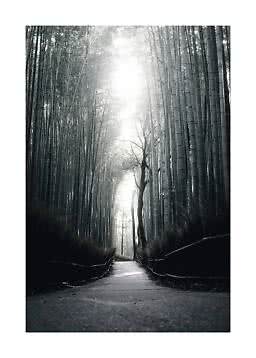
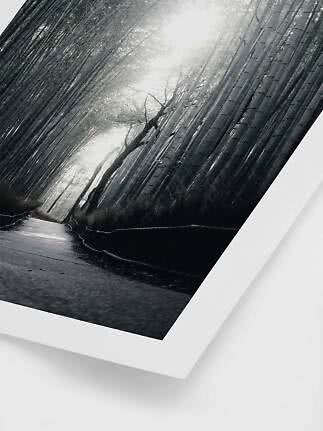
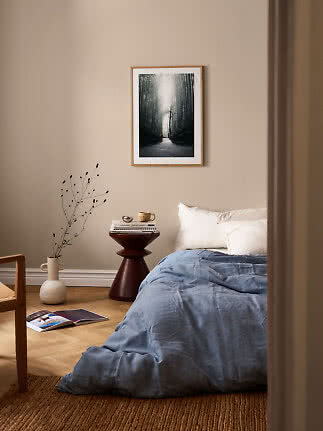
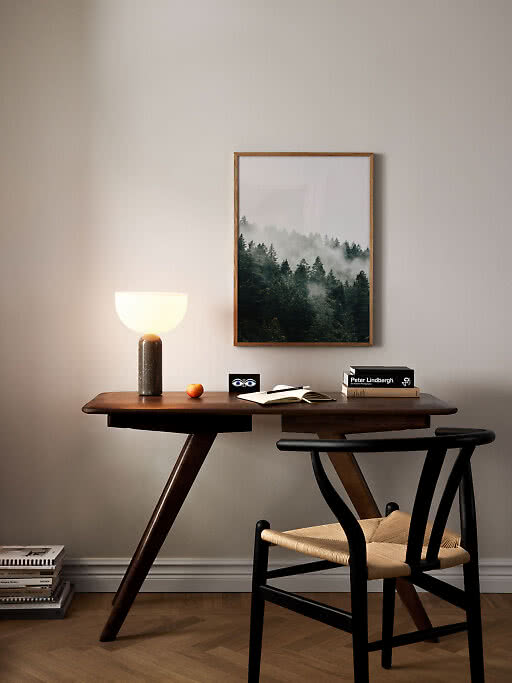
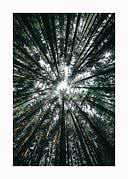
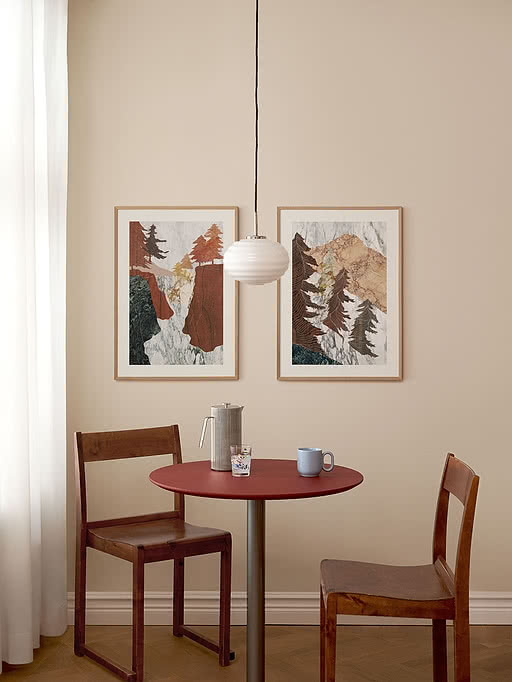
The forest gives depth and green. Rows of pine, mist between the trunks, a path leading inwards: a forest draws the eye into the picture rather than across it. It grounds a living room and suits a home office, where a little green goes a long way. Find more among our forest prints.
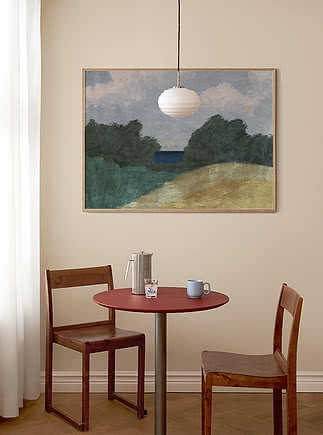
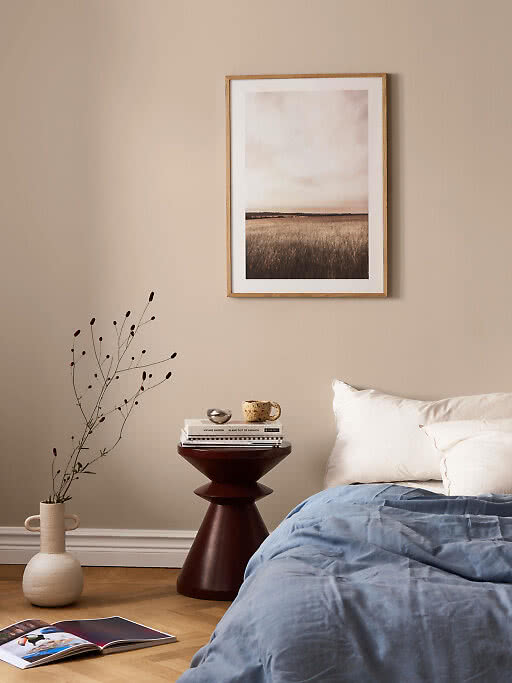
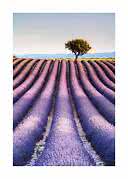
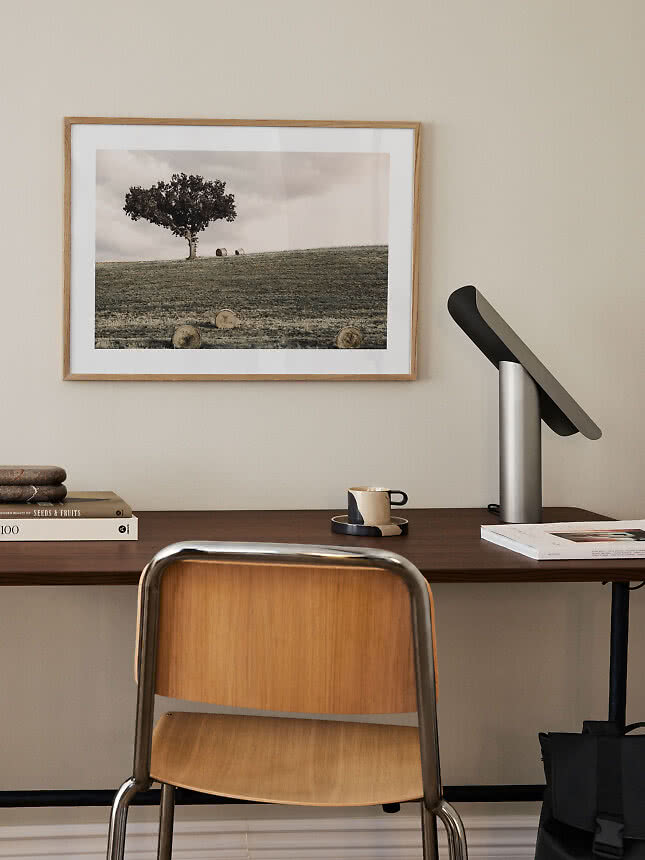
Fields are warm and open. Golden grass, rows of lavender, a single tree on a hill. Low horizons and plenty of sky make them feel airy without ever feeling empty.
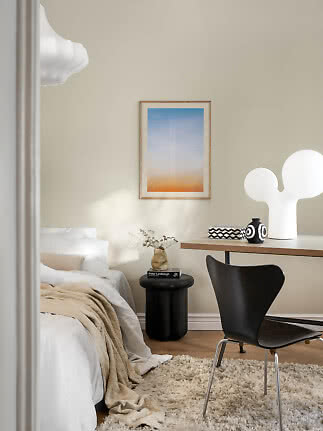
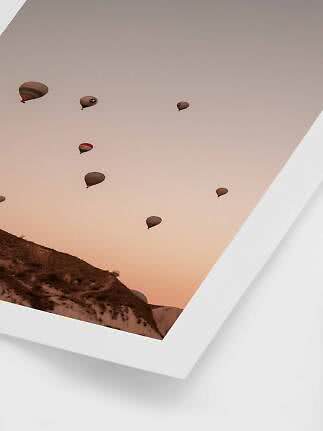
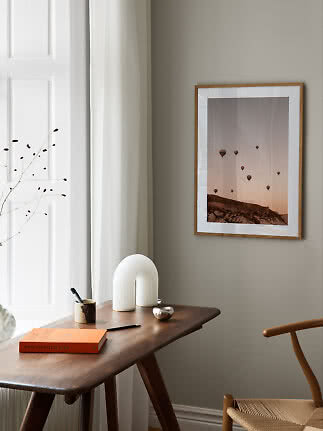
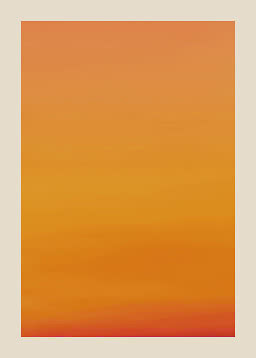
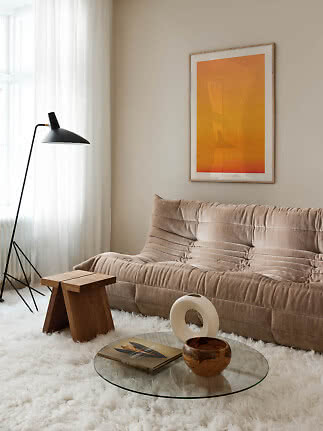
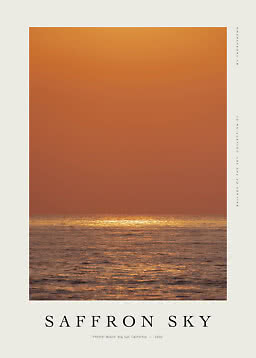
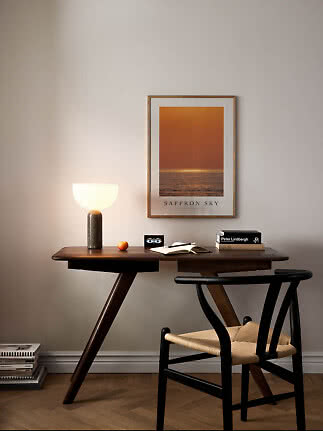
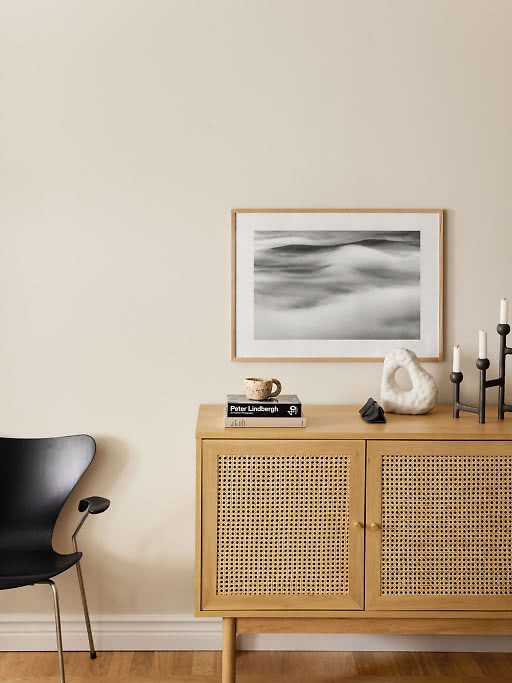
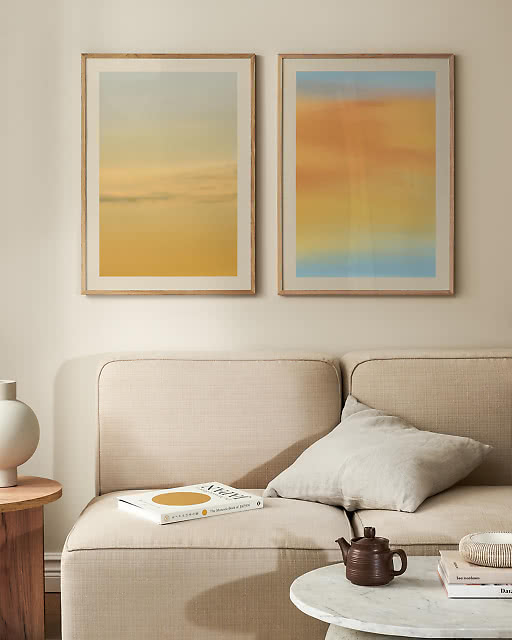
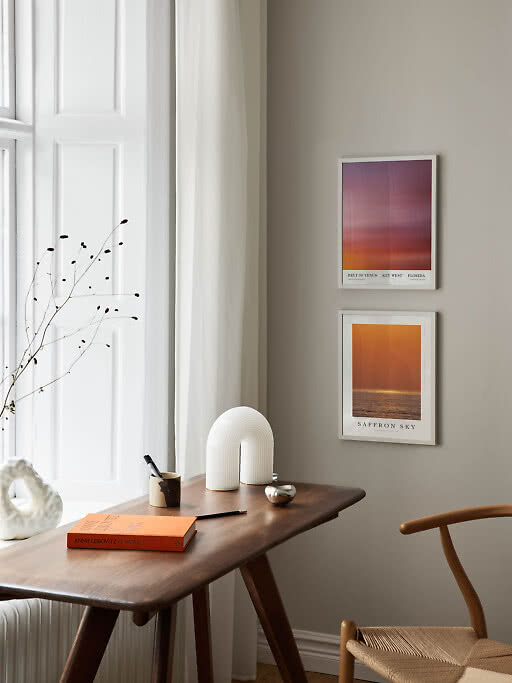
Skies are nature at its most minimal. A sunset in soft gradients or a bank of cloud in black and white is almost abstract, so it mixes as easily with modern graphics as with other landscapes. Find them under sunsets and skies. Soft, misty skies also make some of the calmest neutral wall art there is.
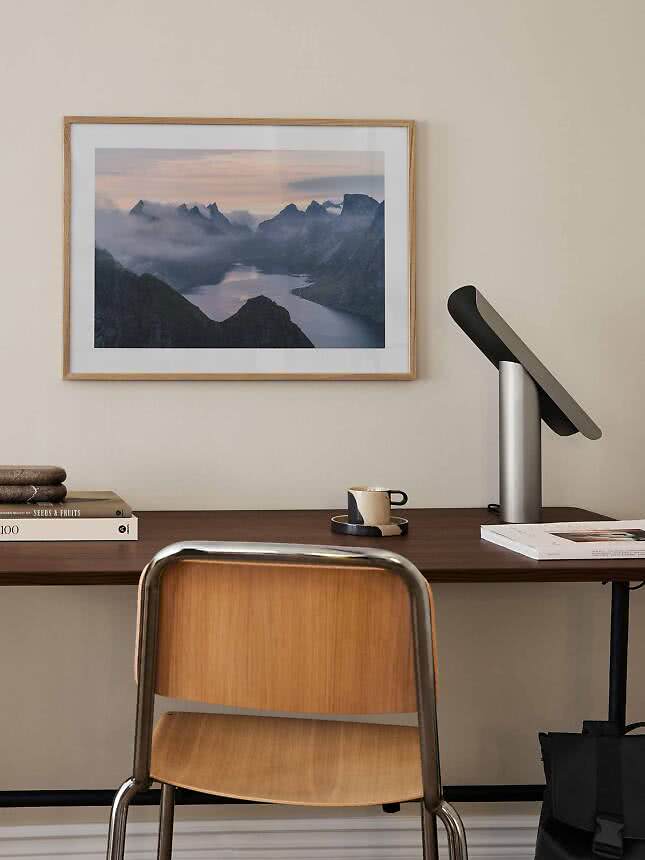
Lakes sit somewhere in between. Still water mirroring a mountain has the calm of the sea and the height of the peaks in one picture.
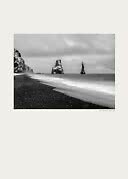
Waves seen from above, Monet’s beach at Étretat and a black sand shore in black and white.
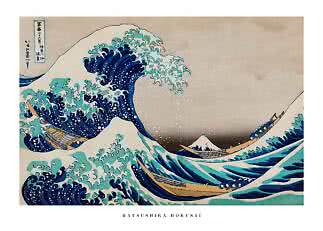
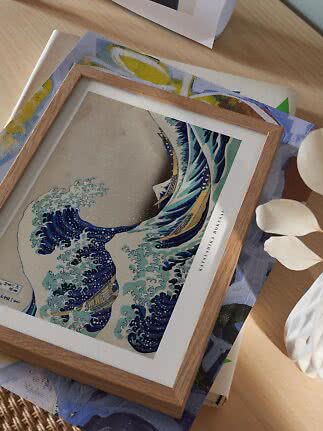
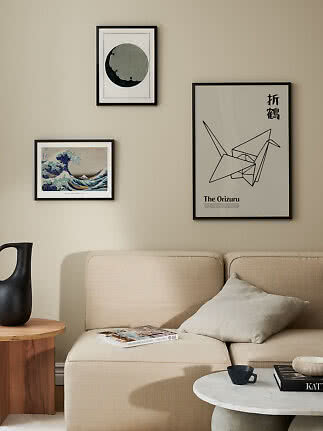
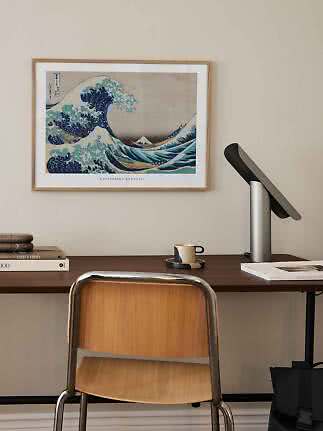
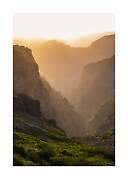
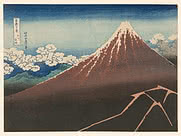
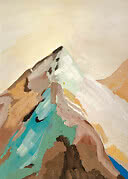
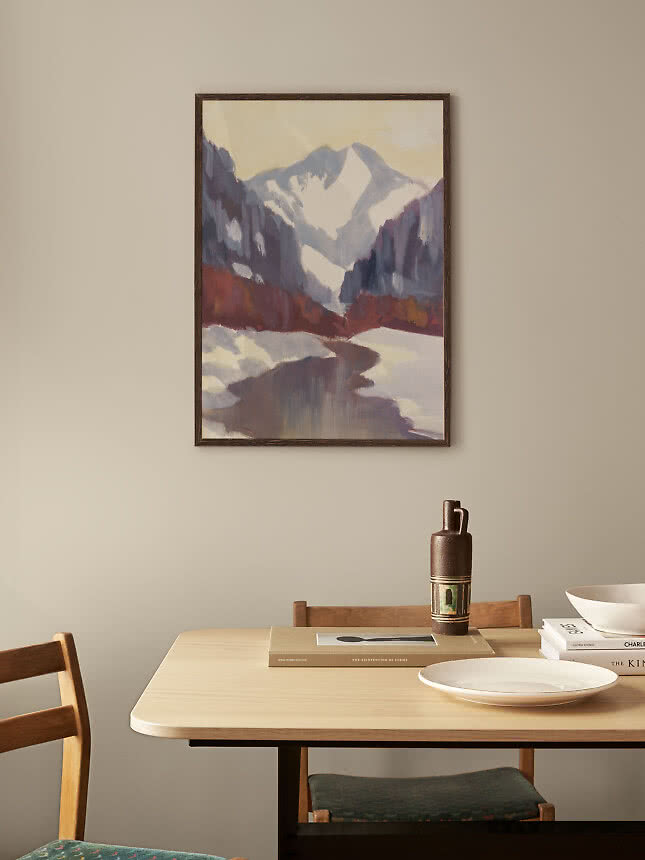
A golden valley at sunset, Hokusai’s Mount Fuji under a storm and a peak painted in broad, happy strokes by Silja-Marie Kentsdottir.
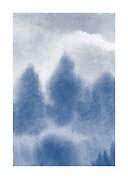
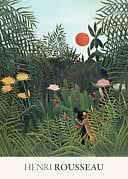
Looking straight up through the treetops, a forest in blue watercolour and Henri Rousseau’s jungle at sunset.
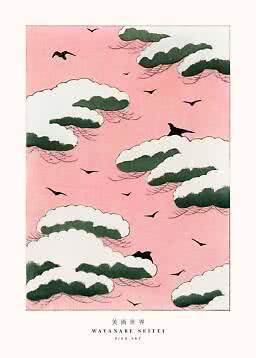
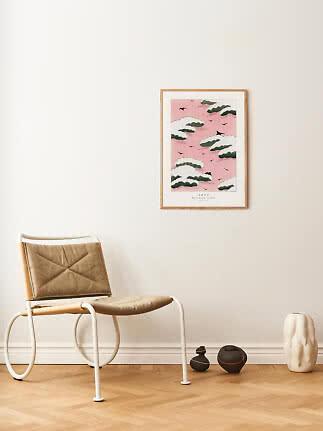
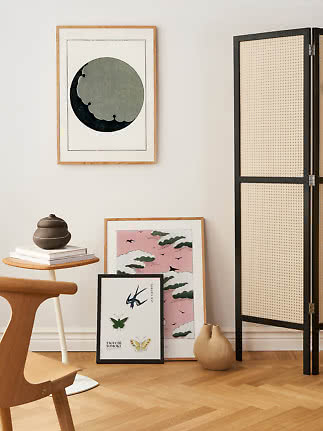
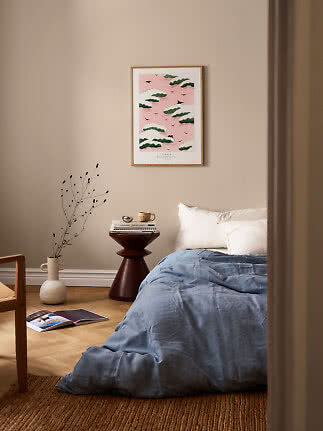
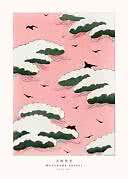
Rows of lavender in Provence, hills painted under sweeping clouds and a pink sky by Watanabe Seitei.
The same mountain can feel completely different depending on who, or what, captured it.
A photograph says: this really happened. Sharp detail, true light, one particular morning on one particular hill. Photos suit clean lines, black details and modern furniture, and they look striking in series. Our guide to photography wall art goes deeper into colour, black and white and borders.
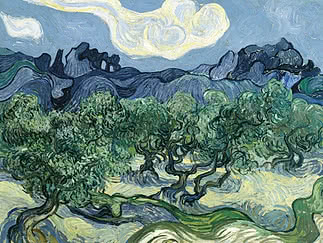
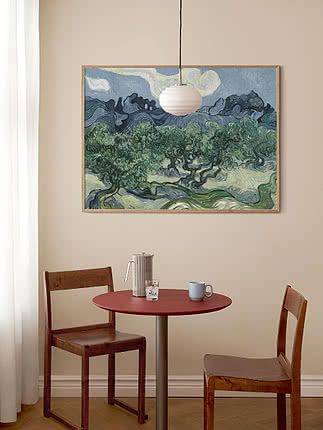
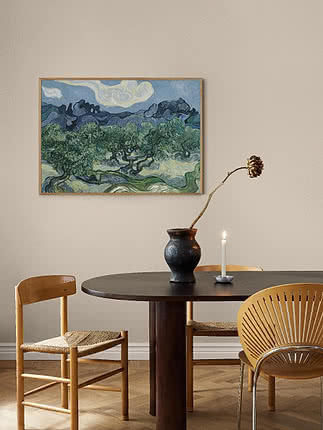
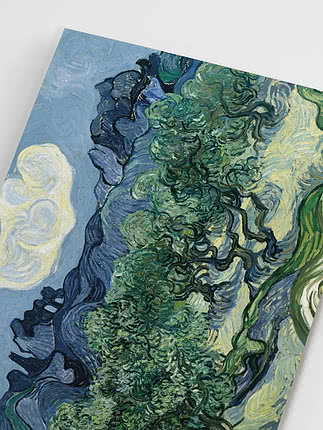
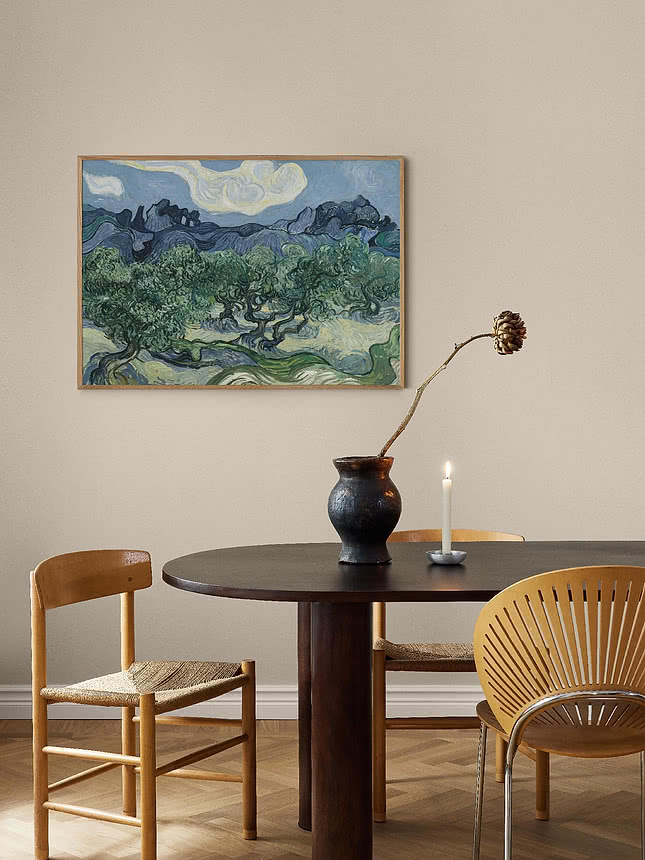
A painting gives you the feeling of a place. Brushstrokes soften the scene, and the colours are chosen rather than captured. Paintings bring warmth to linen, wood and soft textiles, and the old masters add a quiet gallery touch, as our guide to famous art prints shows.
Can’t decide? Look at the room. If it is crisp and graphic, a photo will feel at home. If it is soft and layered, let the paint do the talking.
A landscape does something clever in a small space: it gives the eye a way out. A horizon, a path or a stretch of water suggests distance, and the wall seems to take a step back.
Choose depth. Motifs with a clear horizon, a road or a shoreline leading away make the most of the effect. Busy close-ups do the opposite.
Keep it light. Pale skies, sea and sand reflect the daylight you have instead of swallowing it.
Hang the horizon near eye level. When the view lines up with your own, it feels like looking out rather than looking at.
One larger print beats several small ones. In a box room, a narrow hallway or beside a window, a single 50x70 opens up the wall in a way three small prints never will.
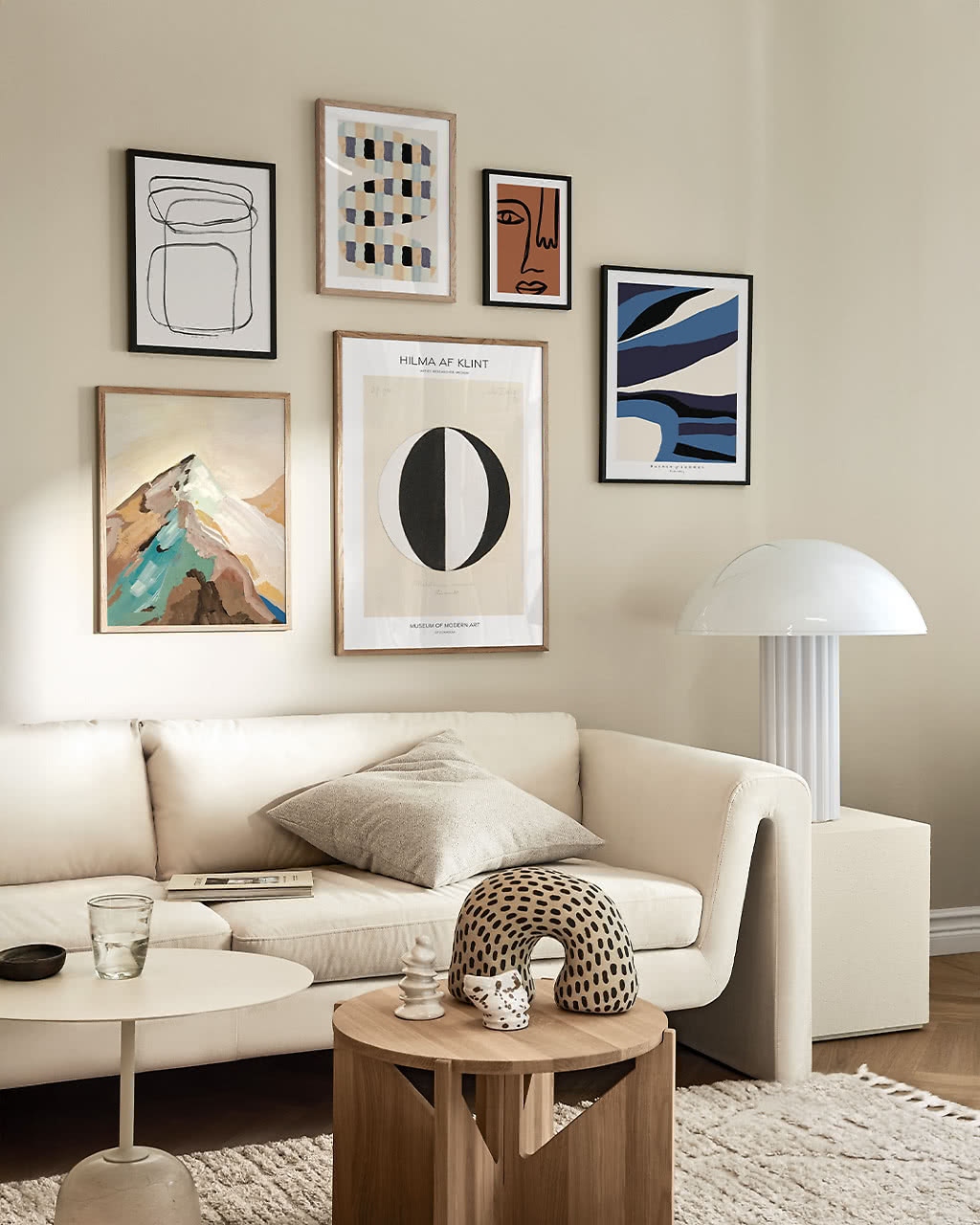
Two views are often better than one, as long as they belong together. Our guide to print pairs covers the basics; for landscapes, these are the pairings we keep coming back to.
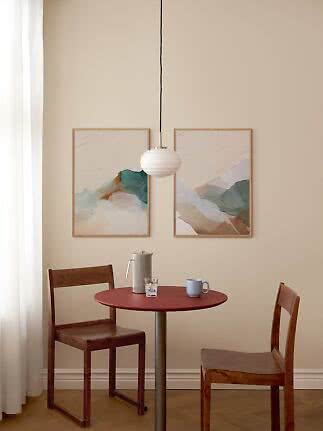
Two from the same series. Motifs made by the same hand, in the same palette, read as one wide view split in two. Hang them side by side with a narrow, even gap.
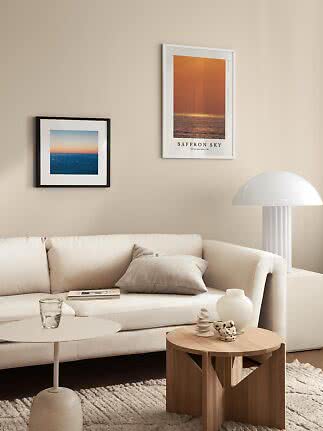
One colour, two places. A sea and a sky in the same soft tones work together even if they were never anywhere near each other. The colour does the connecting.
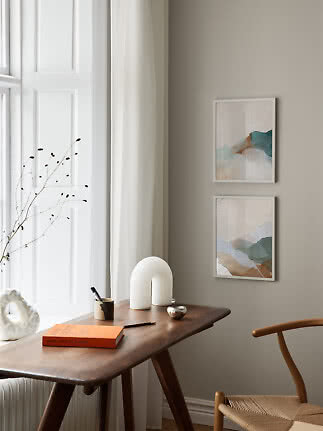
Stack them. On a narrow wall beside a window or a door, two landscapes one above the other make the most of the height.
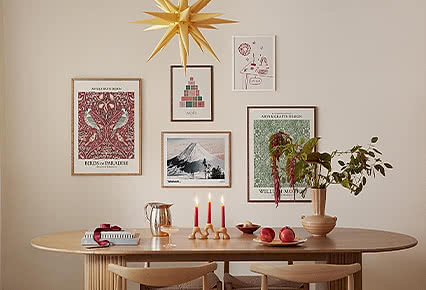
Keep the size the same. Two prints in the same size, hung at the same height, read as a pair. For bigger arrangements, see our gallery wall ideas.
Landscapes are made for big formats: the wider the view, the more space it needs to unfold. Above a sofa or a bed, one 70x100 often says more than a cluster of small prints, and more than 110 of our nature prints come in 70x100 or larger. Our guide to XL wall art shows how far you can take it, and the print size guide helps you measure up.
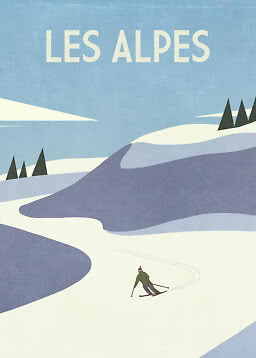
When the days get shorter, a snowy peak brings light and crisp air into the room. Swap a summer sea for a winter mountain in the same spot, and the wall follows the year.
More help in the complete guide to hanging wall art.
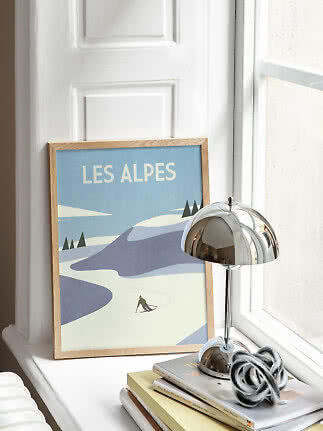
Landscapes look best a little larger than you might think. Above a sofa or a bed, choose 70x100 or a pair of 50x70; above a desk or a sideboard, 50x70 is usually right. Save 30x40 and 21x30 for shelves and gallery walls. The print size guide has the details.
Calm motifs in soft colours: a pale sea, a misty forest or a sunset sky. Keep the most dramatic scenes for other walls, and choose pale, airy tones.
A photograph shows a real place in sharp detail and suits modern, graphic rooms. A painting gives a softer impression with chosen colours and brings warmth to rooms with wood and textiles. The two can hang together if they share a colour.
Yes. A motif with a clear horizon or a path leading into the distance gives the eye depth, and light colours reflect the daylight. Hang one larger print with the horizon near eye level rather than several small ones.
Choose two from the same series or two motifs that share a colour, use the same size, and keep a narrow, even gap between them. Side by side suits a sofa or a bed; stacked suits a narrow wall.
Nature prints
New
More from the magazine
All articles →