 (1).png)
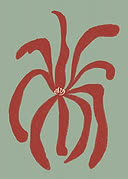
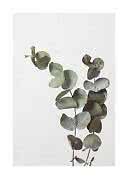
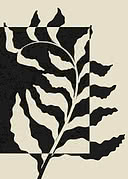
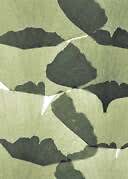
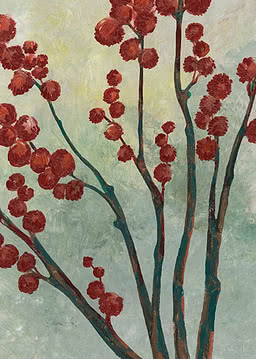
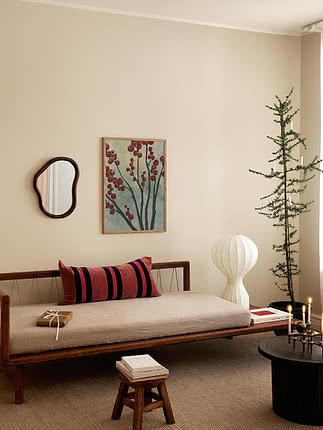
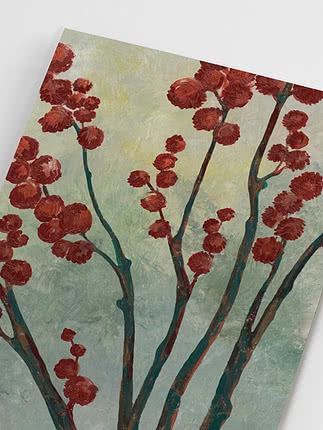
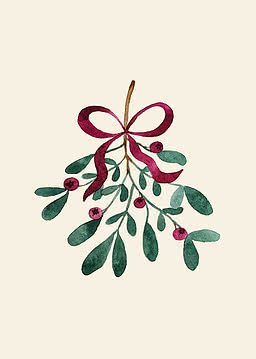
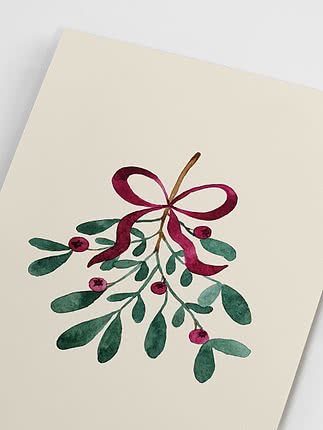
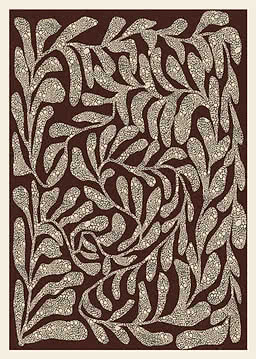
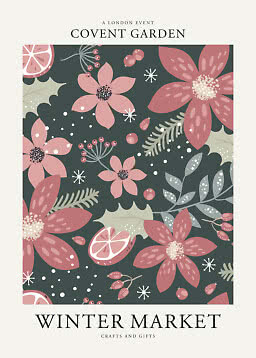
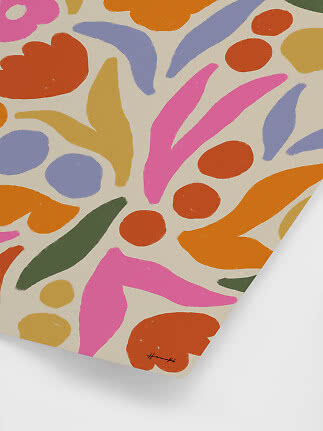
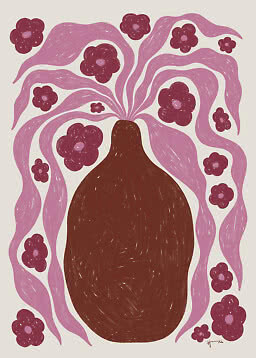
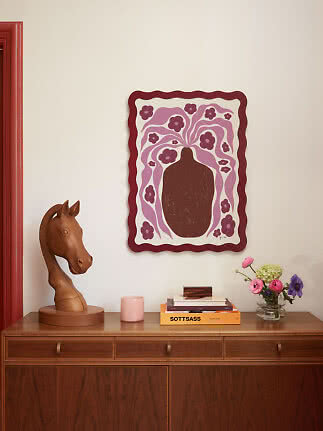
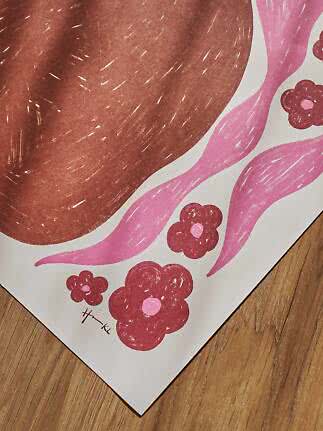
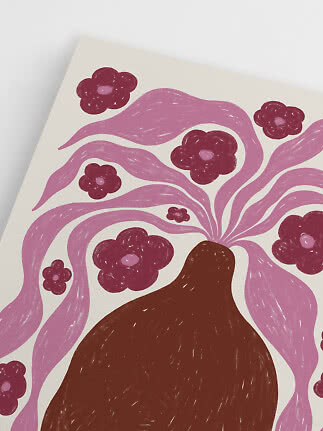
Winter Berry Branches
Rosana Laiz Blursbyai
New
$28.99$36.99
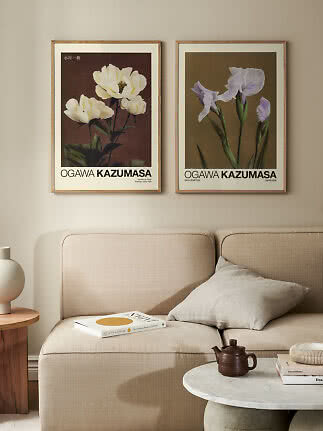
Botanical wall art is anything that grows, put in a frame: old plant studies with Latin names, William Morris patterns, painted tulips, ferns and the soft shadow of a palm leaf. Few things bring nature indoors so effortlessly, and it suits every room in the house, whatever the season. Below you’ll find the four main kinds of botanical prints, which room each one loves, the frames that flatter them and a few simple tricks for mixing them on the same wall.
In short
Pretty much anything with roots. The term covers flowers, leaves, branches, herbs and fruit – painted, drawn, photographed or repeated as a pattern. It started with scientific plant illustration: one specimen per page, drawn with its seeds, petals and Latin name so that people could learn to recognise it. These days the idea is much wider, and a bold, cut-out leaf counts just as much as a 200-year-old engraving.
What all botanical prints have in common is a kind of calm. A plant on the wall softens hard lines, warms up a white room and gives a dark one a breath of green. And because nature never really goes out of style, it’s one of the safest choices you can make for a wall you’ll look at every day.
Most botanical art belongs to one of four families. Work out which one you’re drawn to and half the decision is made.
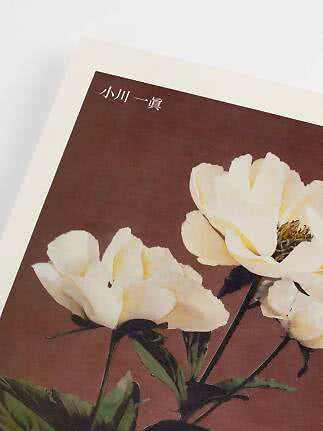
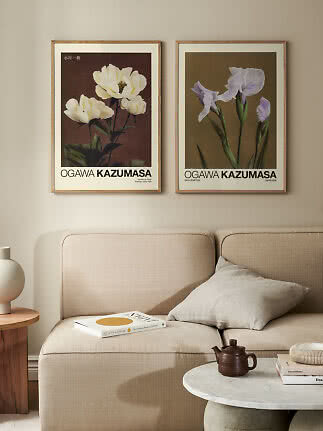
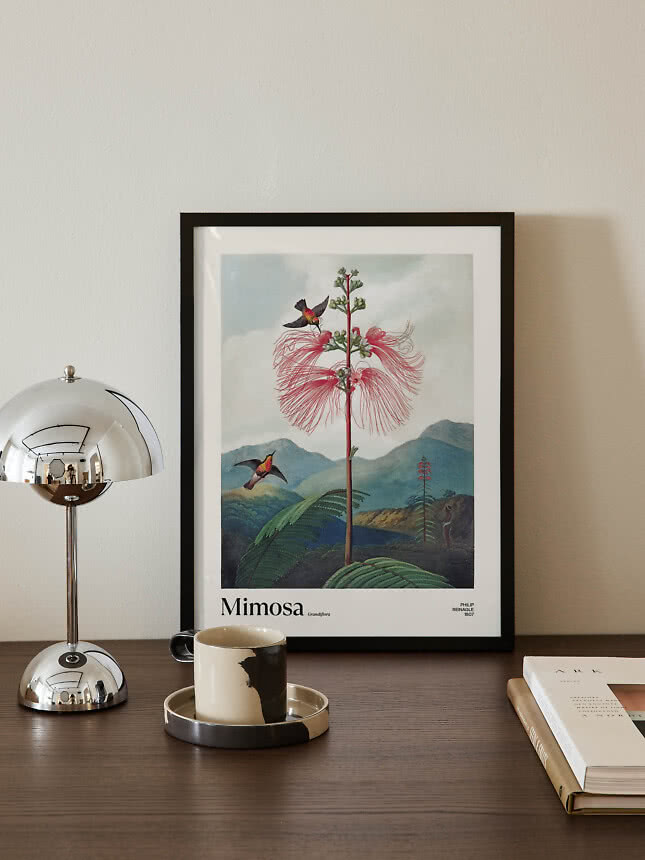
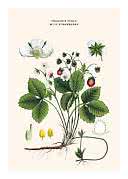
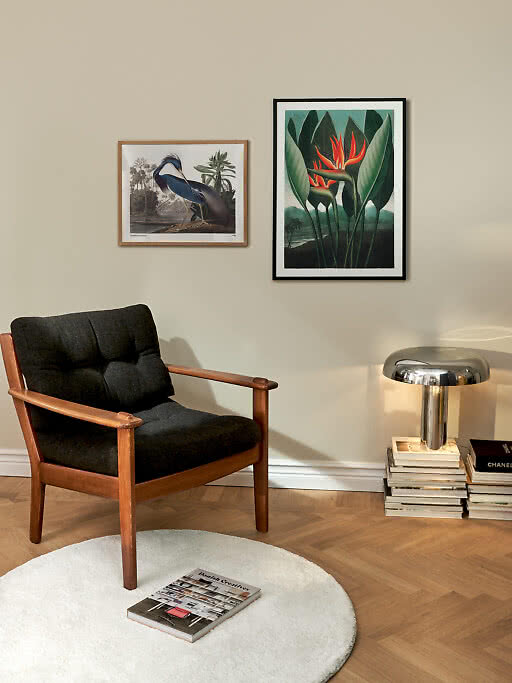
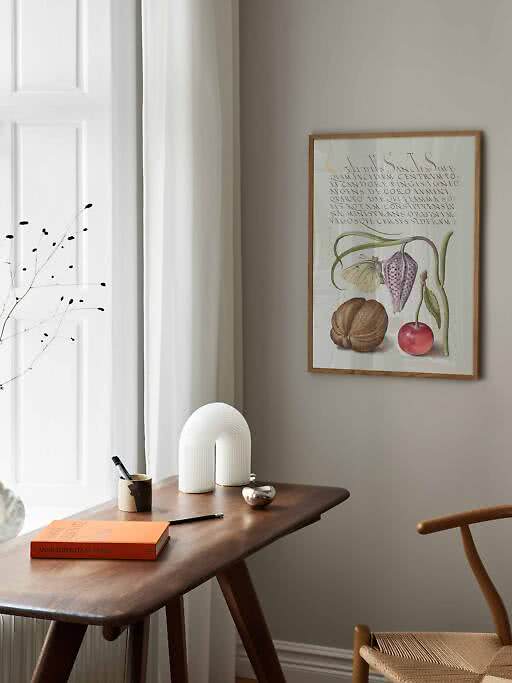
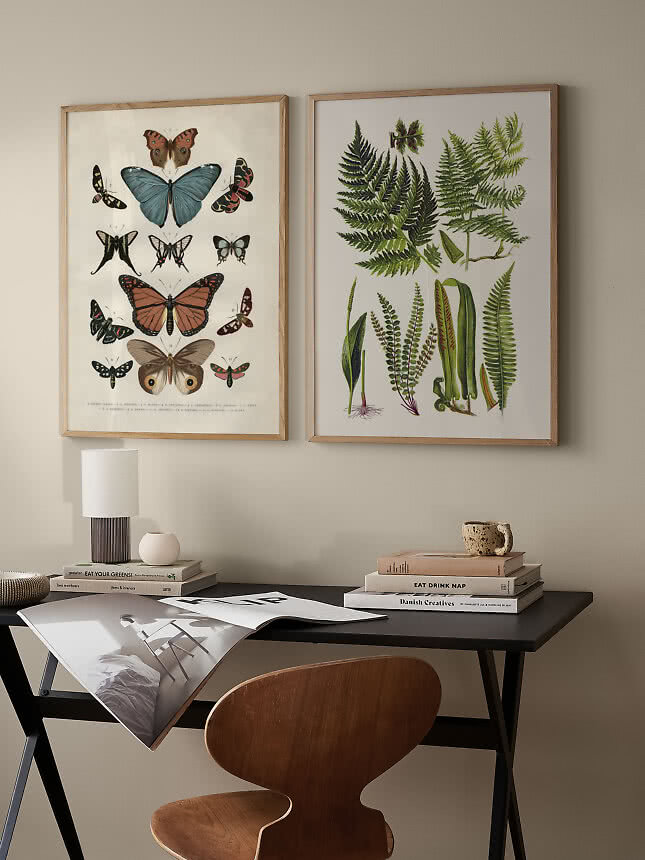
Vintage illustrations. Old plant studies with fine lines, soft colours and neat handwritten names. They feel quiet and a little bit scholarly – lovely in a kitchen, a study or a hallway.
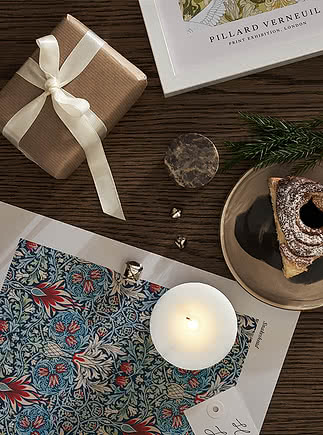
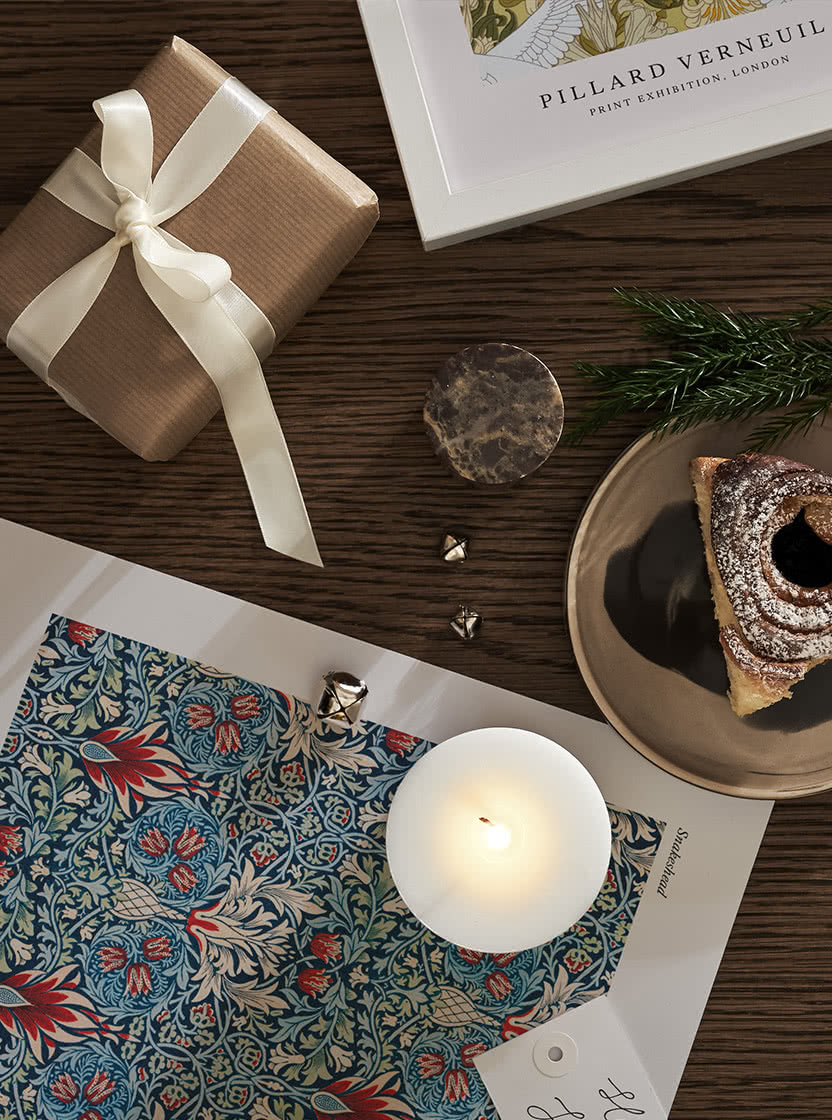
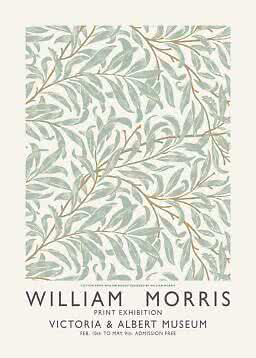
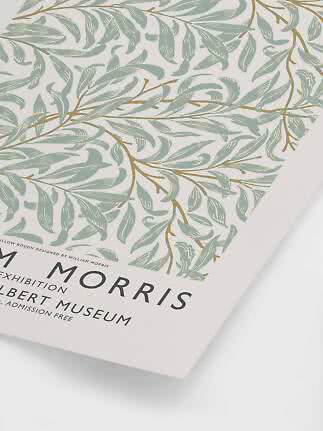
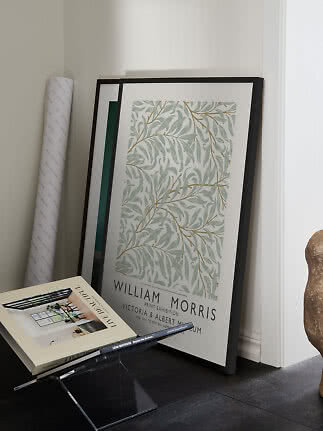
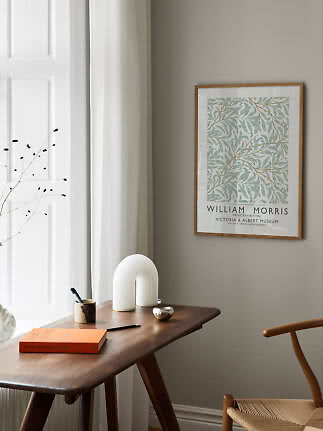
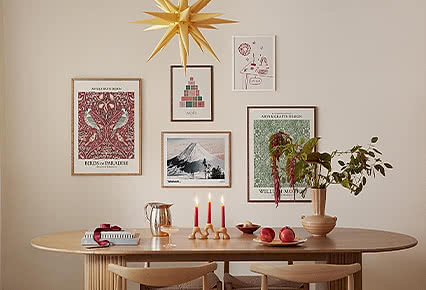
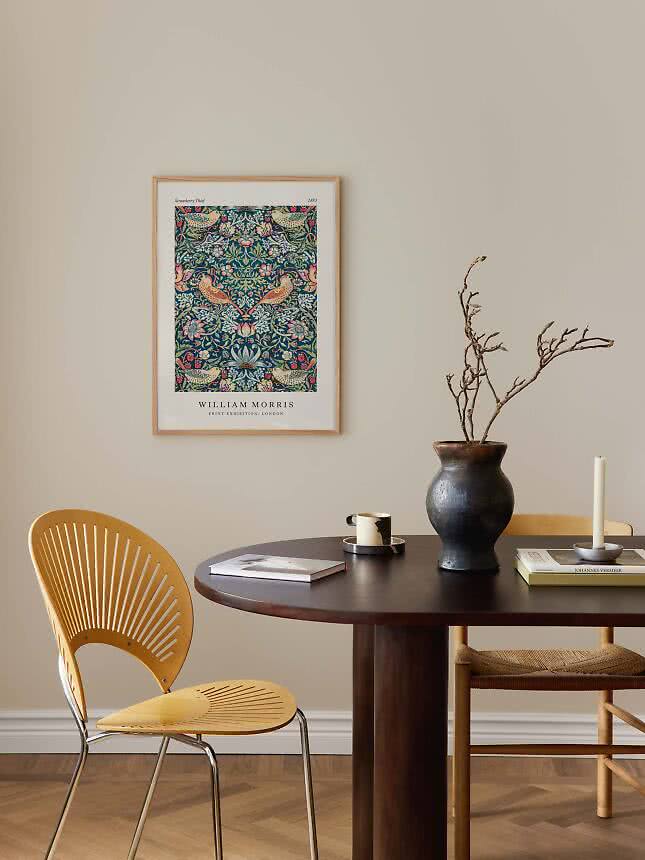
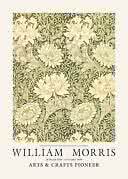
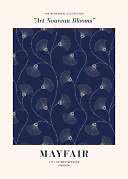
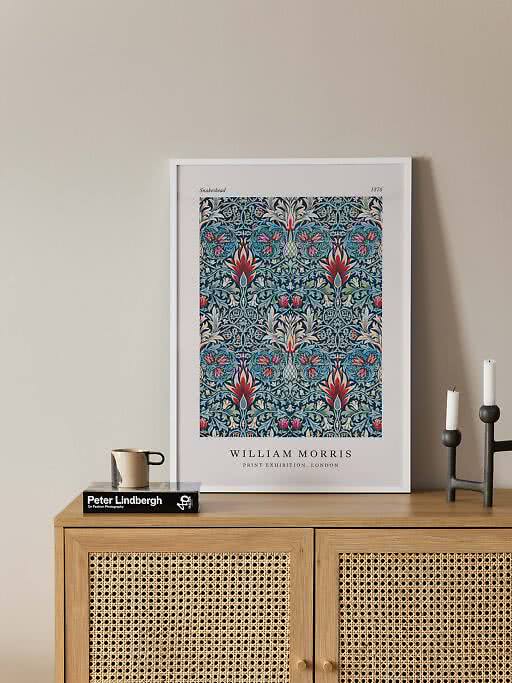
William Morris and pattern. Morris drew his famous wallpapers and fabrics in Victorian England, and they look just as fresh in a frame today. Birds, willow leaves and blossoms cover the whole sheet, so one print gives you the richness of wallpaper without papering a single wall.
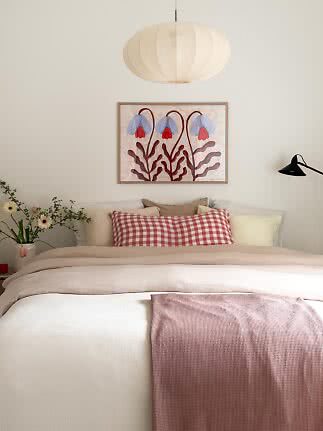
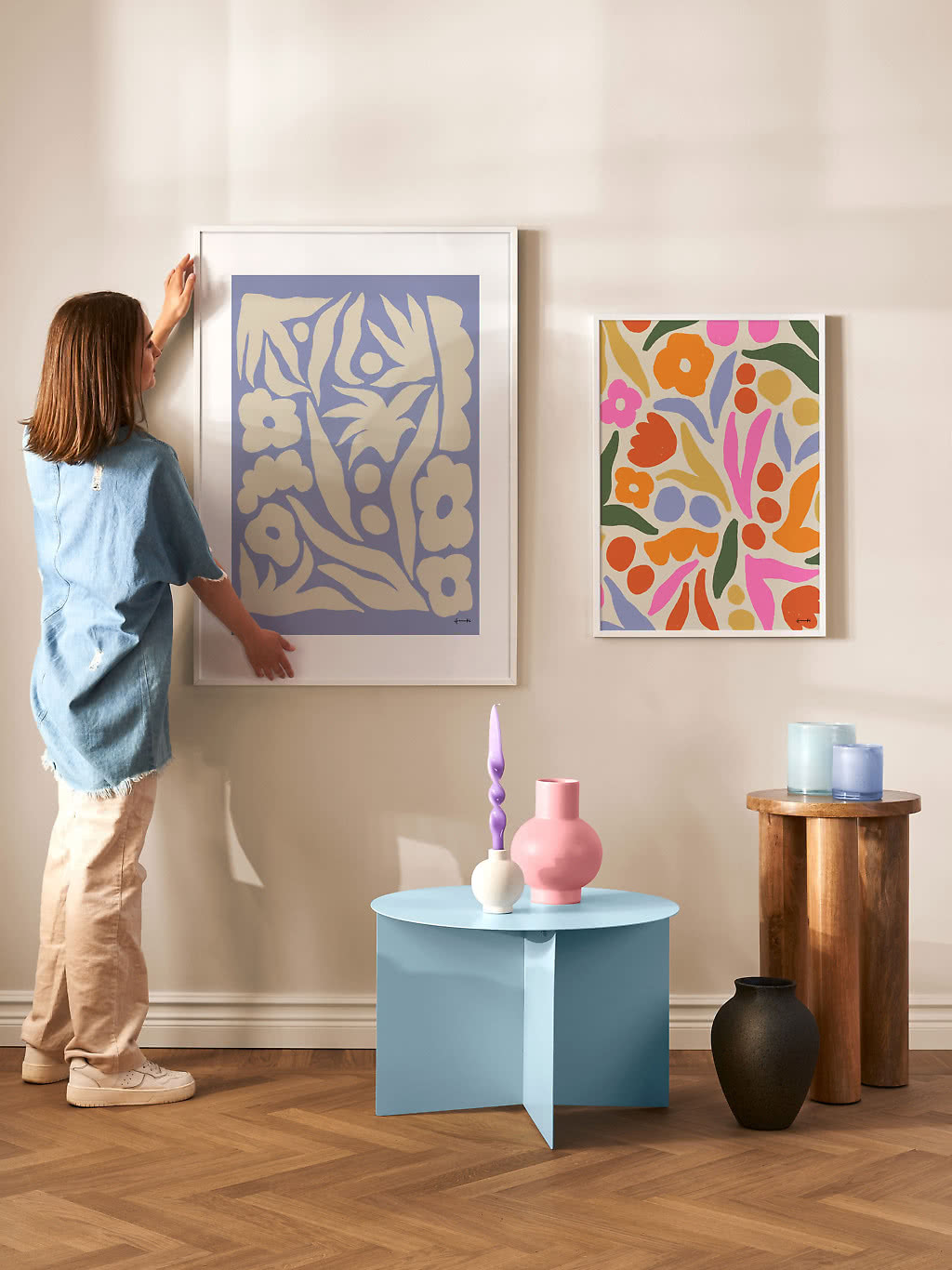
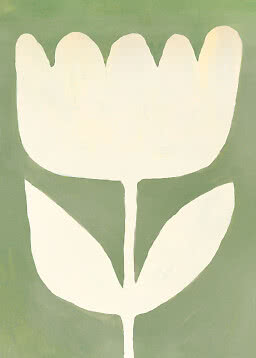
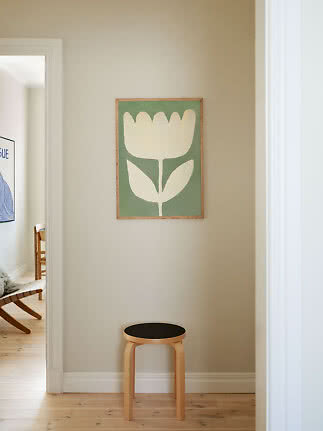
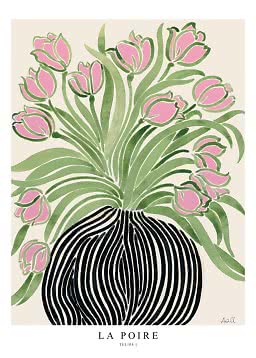
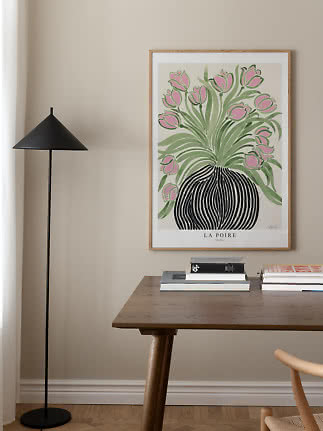
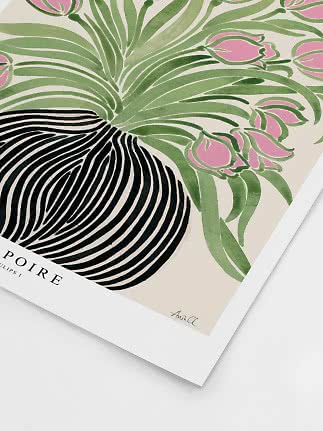
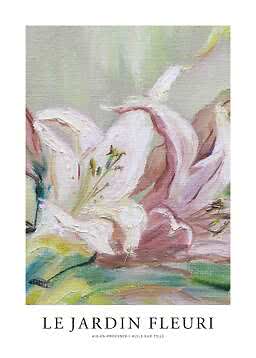
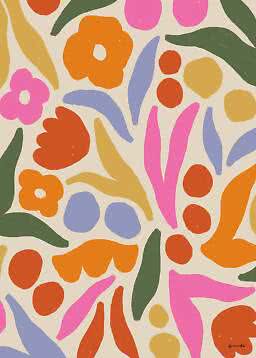
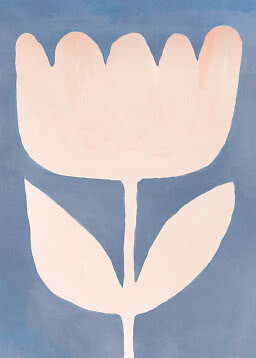
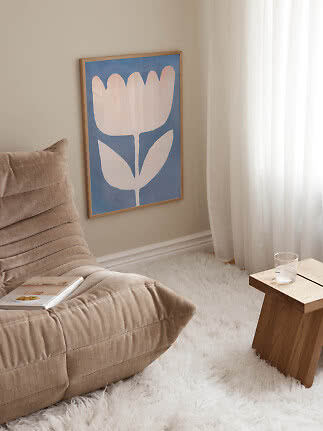
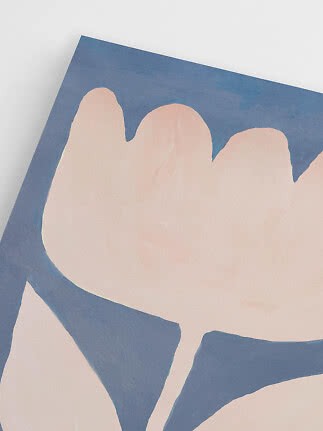
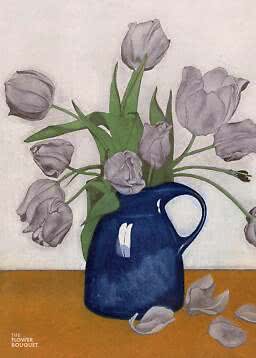
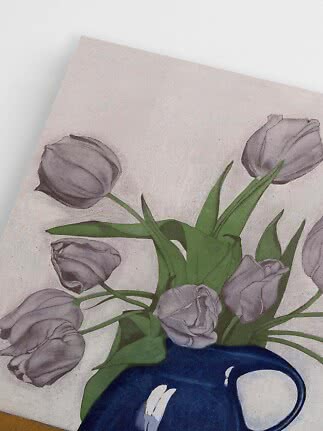
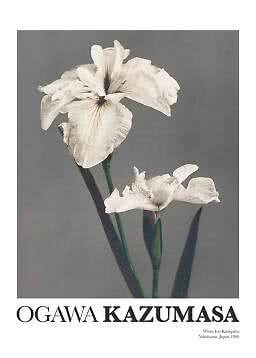
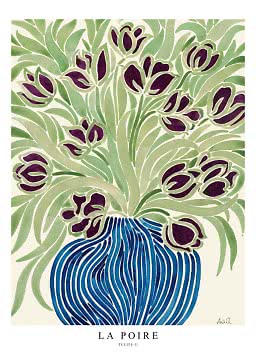
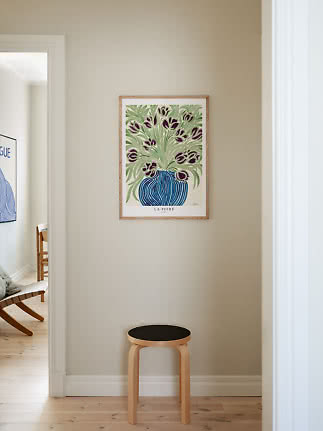
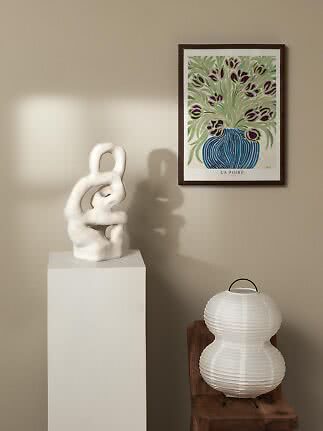
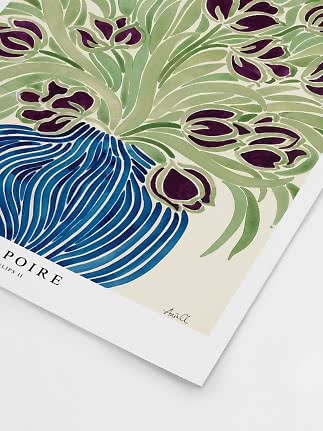
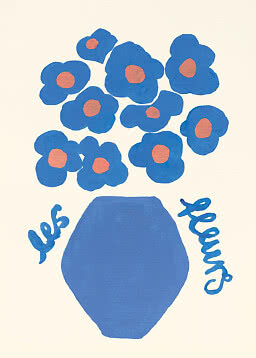
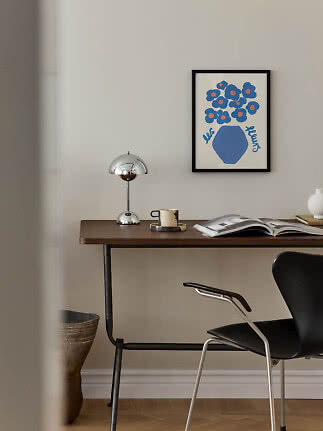
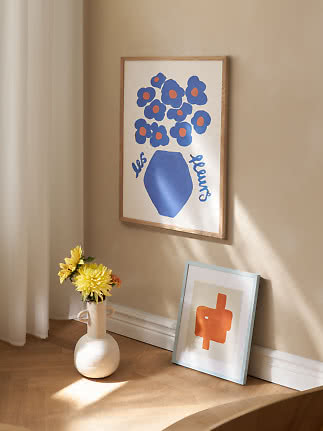
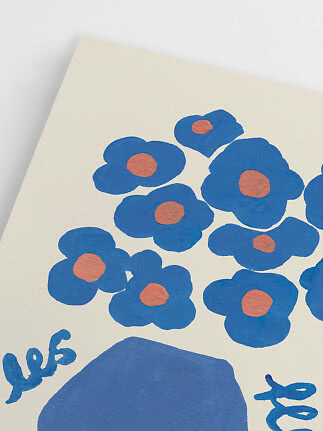
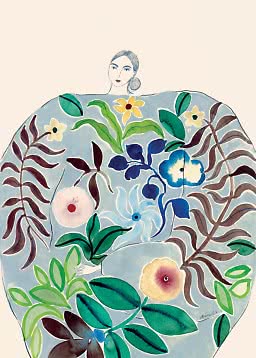
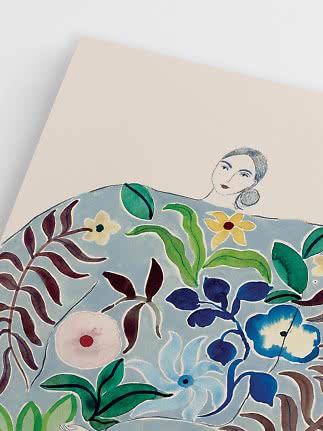
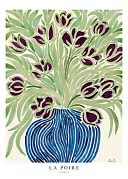
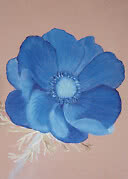
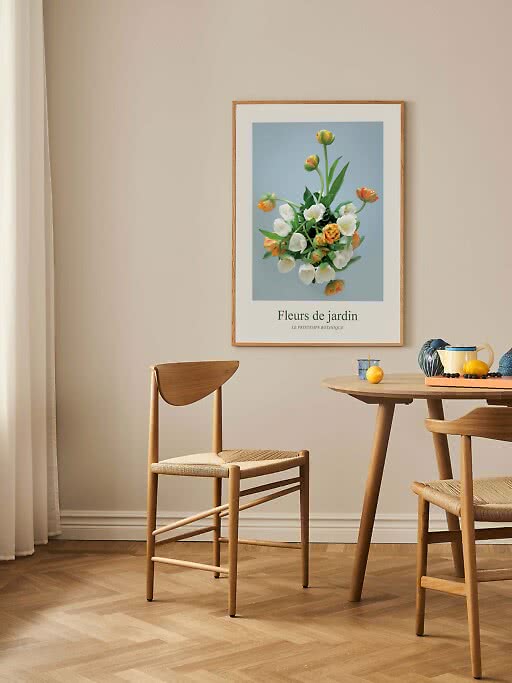
Painted and graphic flowers. Tulips in a vase, one big blue bloom, a bunch straight from the garden. The most colourful family, and the one with the most personality. Meet one of the artists behind them in our story about La Poire.
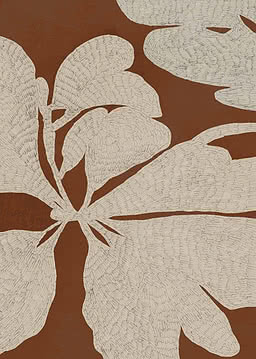
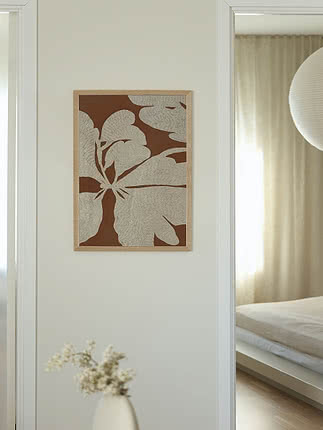
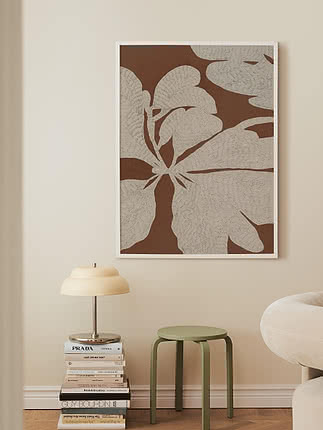
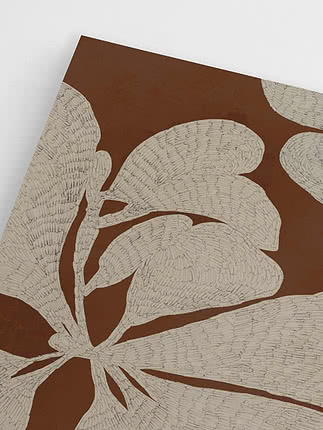
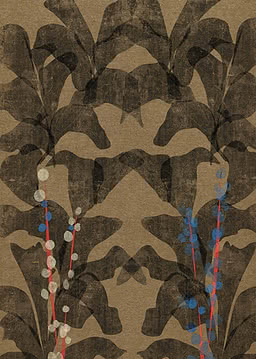
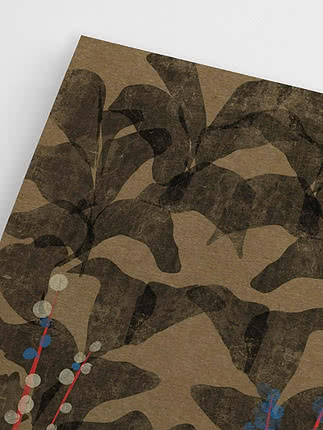
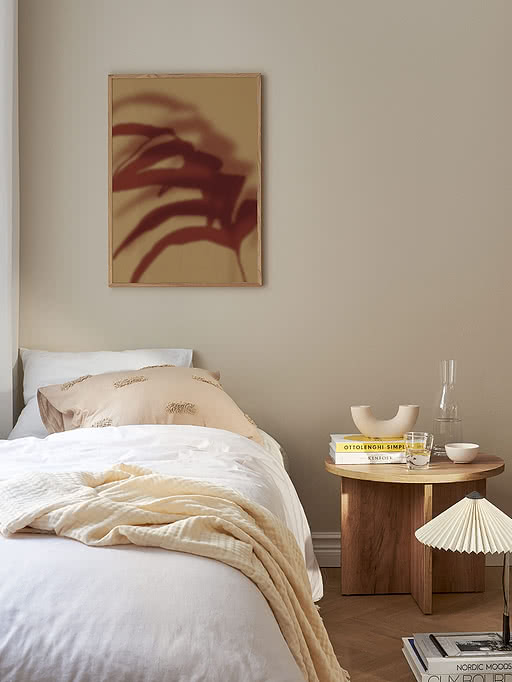
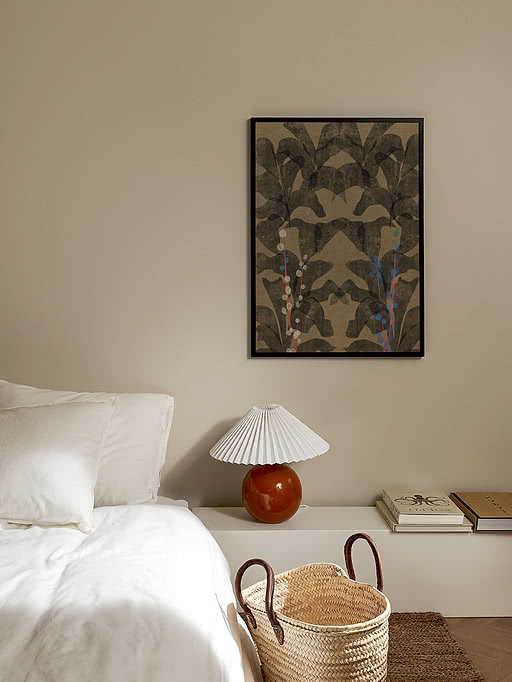
Leaves and greenery. Ferns, fronds, eucalyptus and soft shadows of palms. Calm, graphic and easy to place – the green option for anyone who finds flowers a bit too sweet.
Twelve prints to get you started:
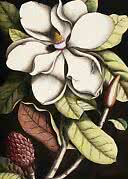
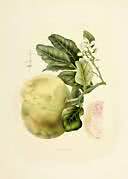
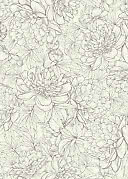
Plant studies with fine lines, faded colours and a whiff of the old herbarium.
Leaves and blossoms from edge to edge – the richness of wallpaper inside one frame.
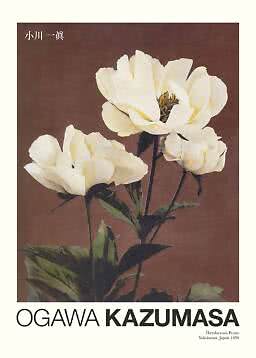
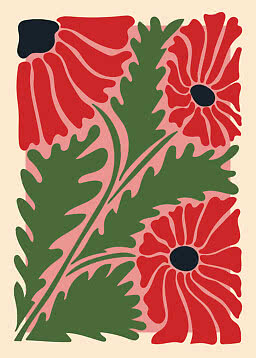
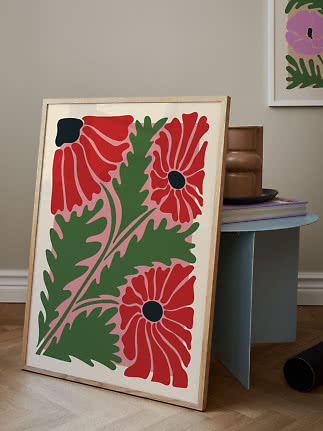
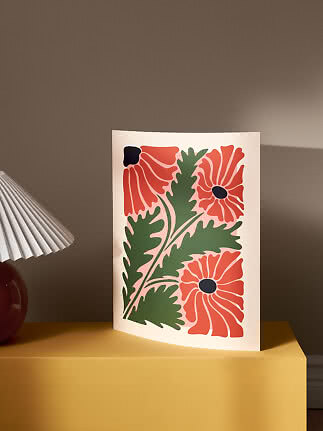
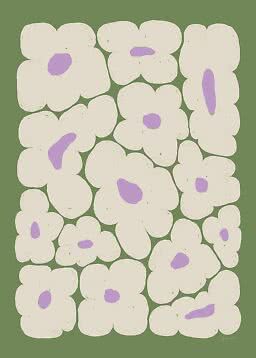
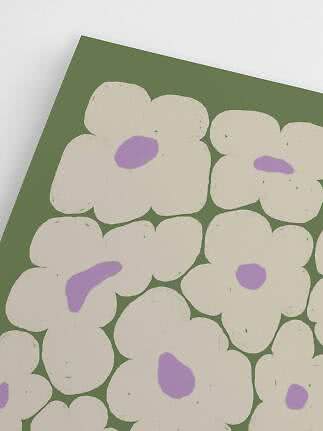
Big blooms in strong colours. Choose one and let it steal the show.
Fronds, branches and ginkgo for a calm, green wall – no green fingers required.
There are no strict rules, but some kinds of botanical art feel more at home in some rooms than in others.
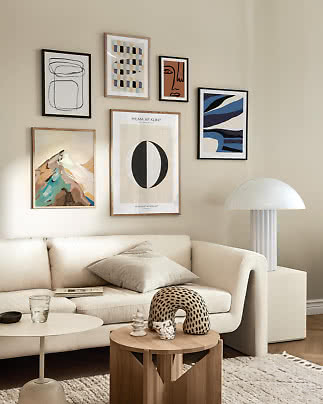
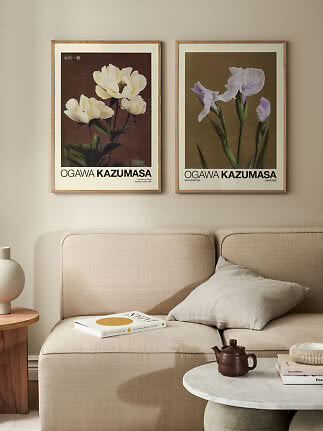
Living room. Go big, or go in pairs. A large plant study or a strong pattern above the sofa gives the room a centre, and deep greens and blues look wonderful with wood, leather and linen. More ideas in our living room guide.
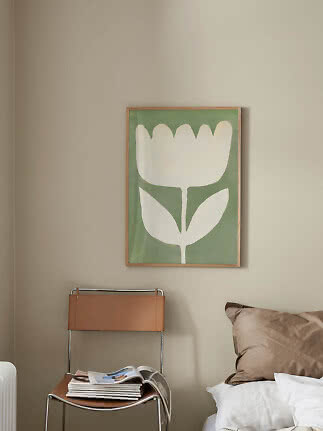
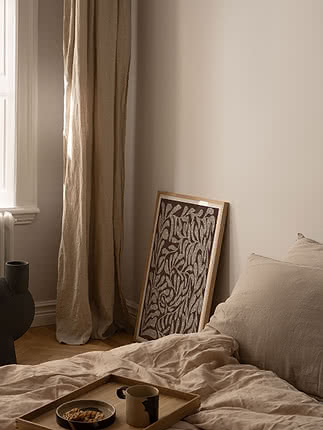
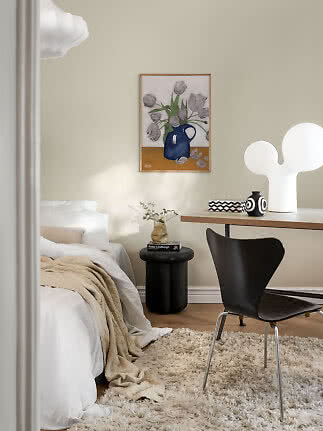
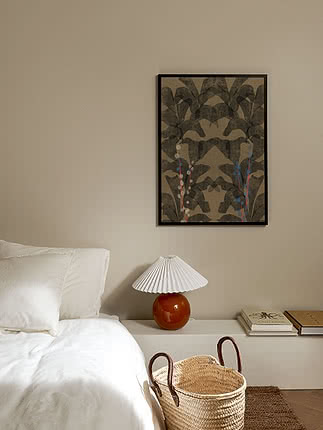
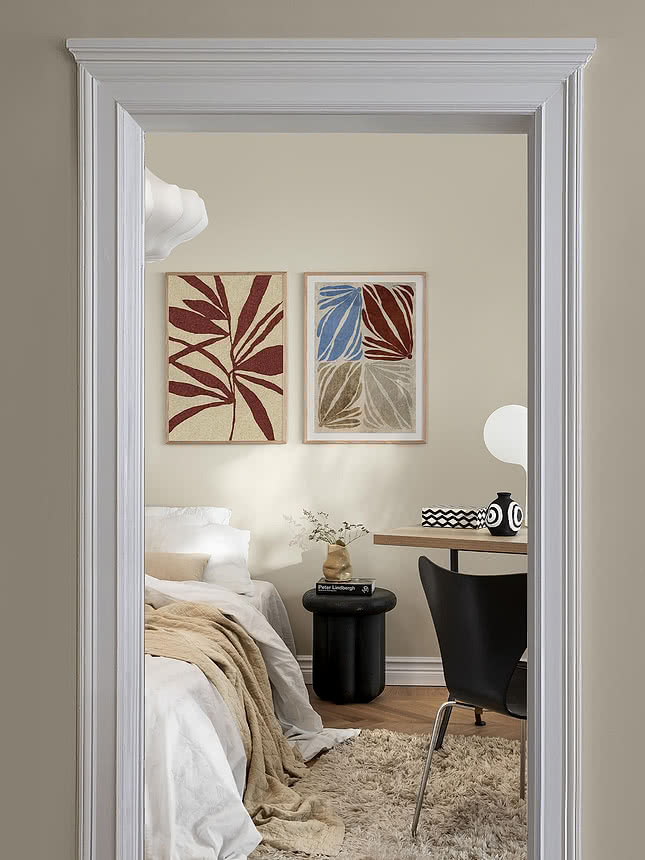
Bedroom. Pick the softest motifs you can find: leaf shadows, pale petals and muted greens help the room wind down at night. See also our bedroom wall art ideas.
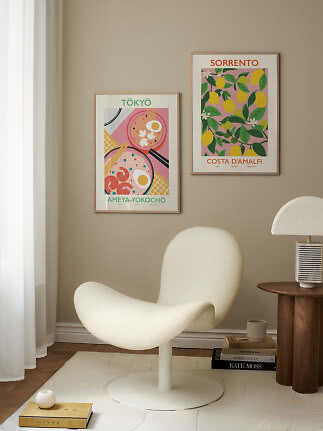
Kitchen and dining room. Herbs, fruit trees and flowers in a vase belong where you cook and eat, and vintage studies of strawberries or lemons are a natural match. More in our kitchen wall art guide.
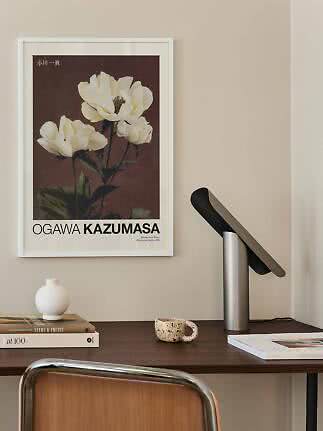
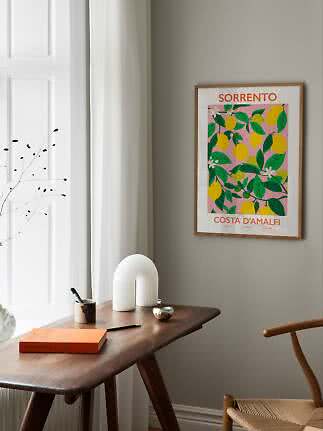
Home office and hallway. A small, detailed print rewards a closer look – just right for a wall you walk past every day or sit next to for hours.
Botanical prints are forgiving to frame, but the frame still decides the mood. Start with the wood or colour you already have in the room.
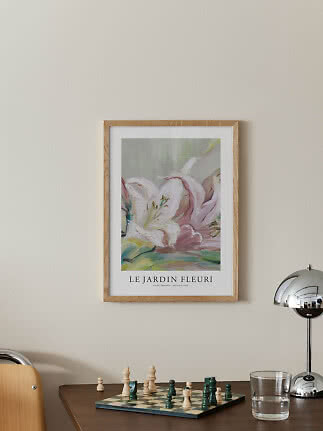
Oak. The natural choice in every sense. Warm wood suits old plant studies and anything with a lot of green, and it echoes the wood that’s already in the room.
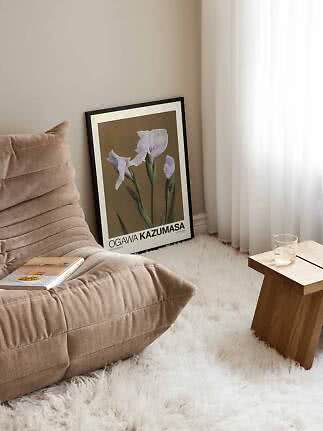
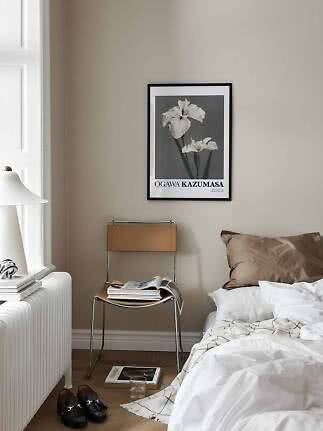
Black. Sharpens the outline and makes colours glow, especially on dark backgrounds and busy patterns. The choice for a more grown-up, gallery feel.
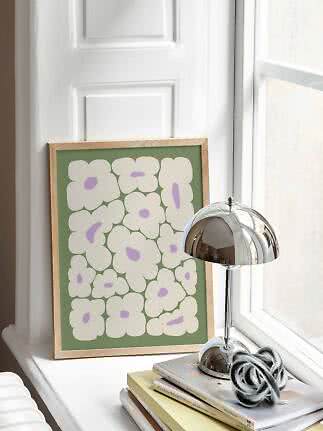
White. Light and fresh. It gives pale flowers and patterned prints room to breathe and almost disappears on a white wall.
Feeling braver? A green frame around a leafy print, or a coloured frame that picks up one shade from the petals, can look lovely. Read more about decorating with coloured frames and how to choose the right frame.
Plants are generous neighbours – they get along with almost anything. A few simple tricks keep a botanical wall looking planned rather than random.
Find a common thread. Let the prints share one colour, like sage green or deep blue, or one technique, like watercolour or ink.
Pair plants with animals. Birds, butterflies and bees belong in the garden anyway, and a natural history pair looks as if it came from an old museum.
Calm a pattern with something plain. A busy William Morris print needs a quiet neighbour: a single leaf, a simple line drawing or plenty of bare wall.
Mix old and new. An old plant study next to a bold, modern leaf feels fresher than two prints from the same century.
Repeat the frame. Different motifs in the same frame colour are the easiest way to make a group look like a set.
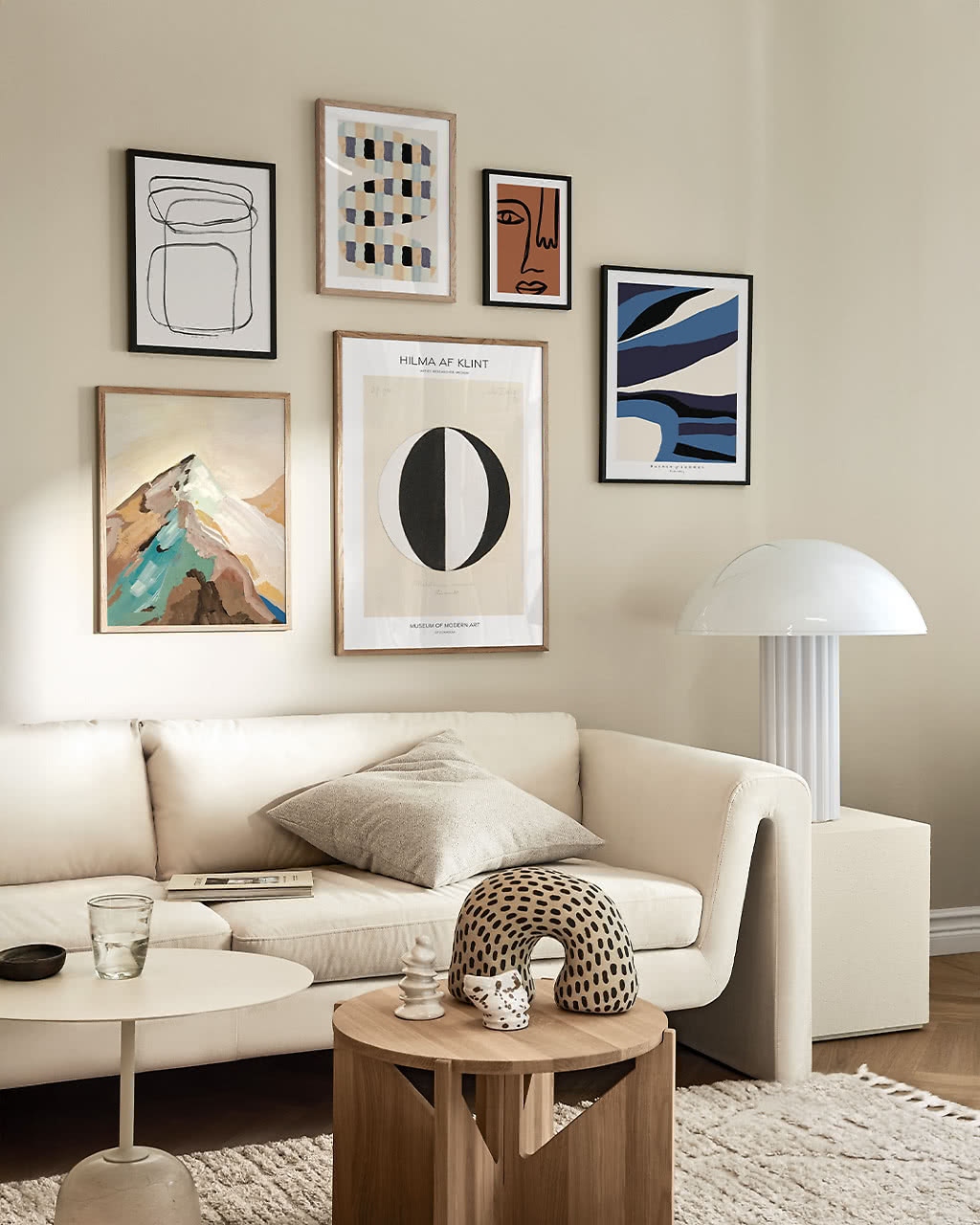
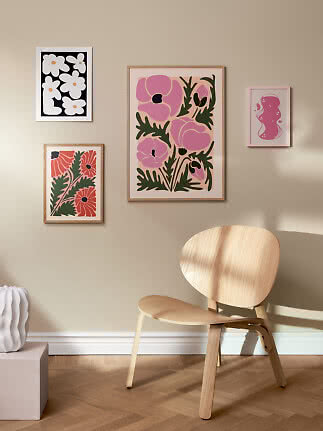
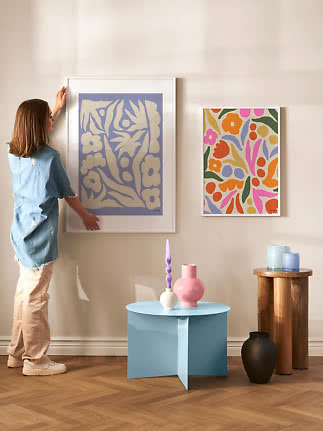
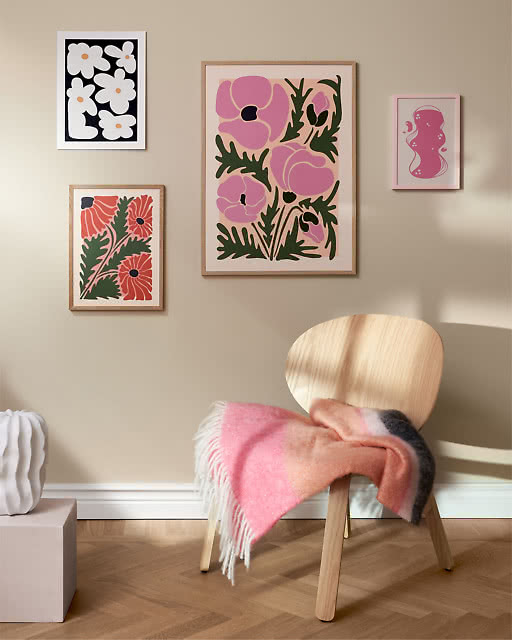
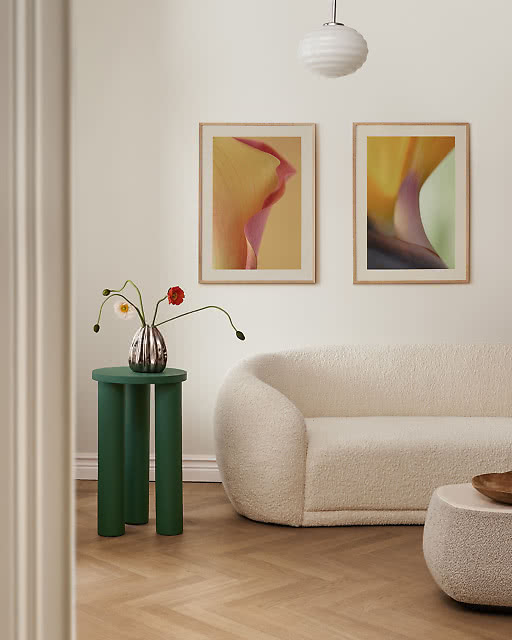
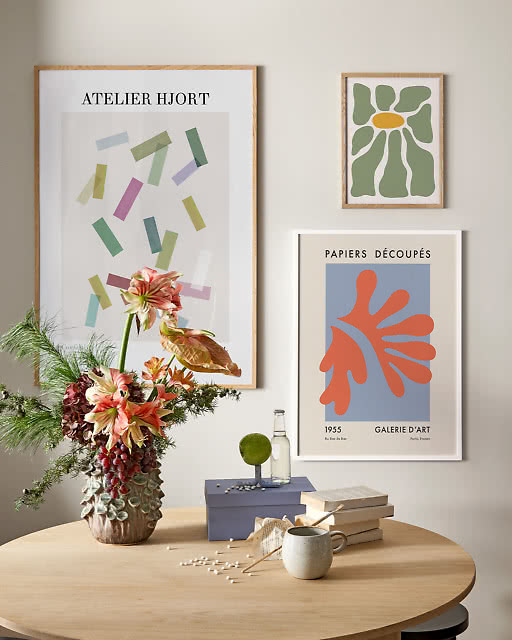
Rather skip the puzzle? Our inspiration pages are full of walls you can order as they are, sizes and frames included – and these three are in full bloom. More layouts in our gallery wall ideas.
Prints of flowers, leaves, plants and fruit. It ranges from old scientific plant illustrations and William Morris patterns to modern paintings, graphic cut-outs and photographs, and it works in almost any room.
Wherever you’d like a bit of green. Large prints and patterns suit the living room, leaf shadows and pale flowers suit the bedroom, and herbs, fruit and flowers in a vase feel at home in the kitchen. A small, detailed print is perfect in a hallway or next to a desk.
Oak is the classic choice, especially for vintage illustrations. Black makes colours and patterns stand out, and white keeps pale prints light and airy. For leafy motifs, a green frame is a playful extra.
Start with something they share – a colour, a technique or the same frame – and build from there. Two prints side by side is the easiest beginning; for a bigger wall, combine one larger print with a few smaller ones. See our gallery wall ideas for layouts.
Not if you give them space. Choose one print in a calm colourway, such as sage green or soft blue, keep the wall around it bare and let it work like a small feature wall. A white or oak frame keeps it light.
Floral and botanical posters
New
New
New
New
New
More from the magazine
All articles →