 (1).png)
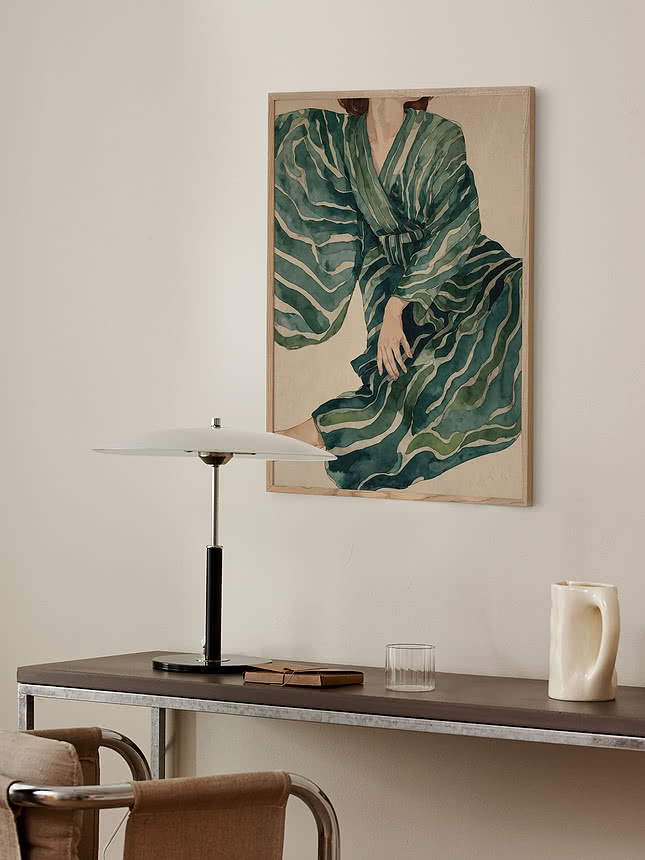
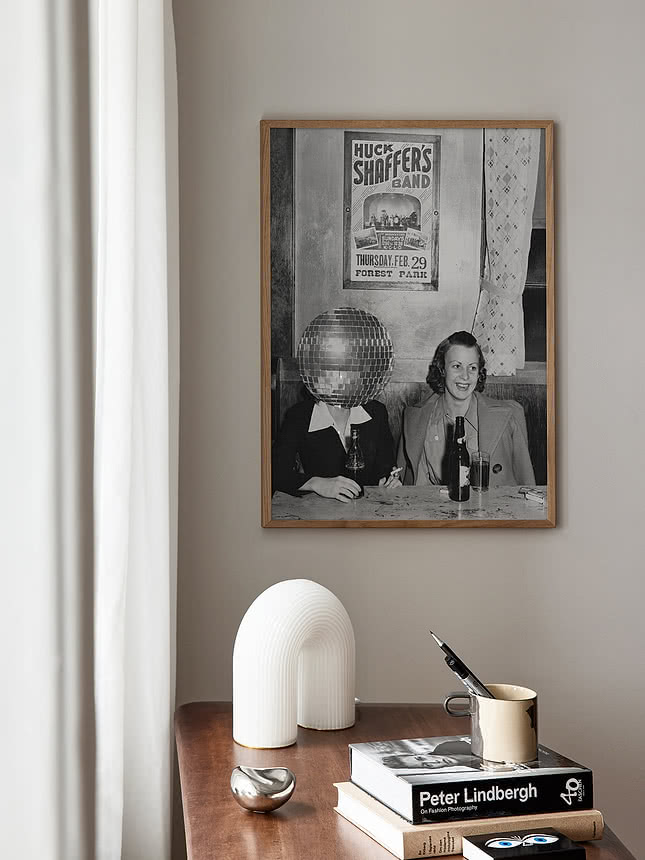
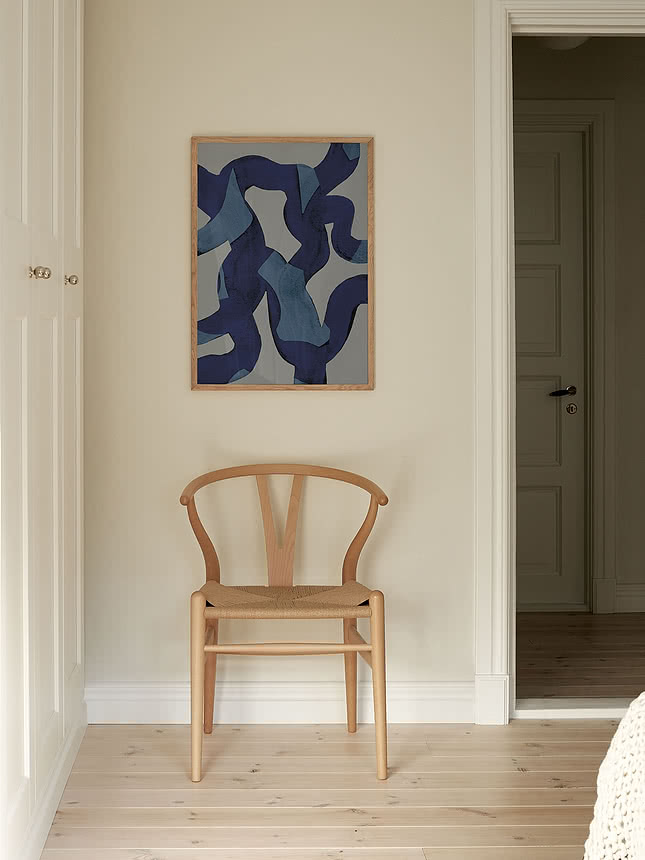
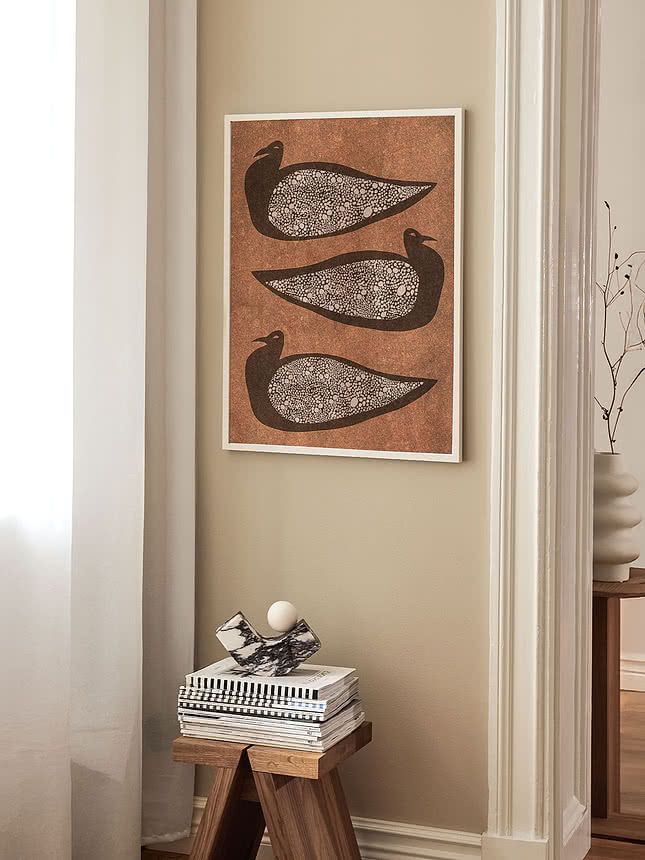






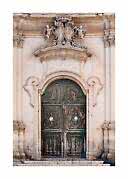




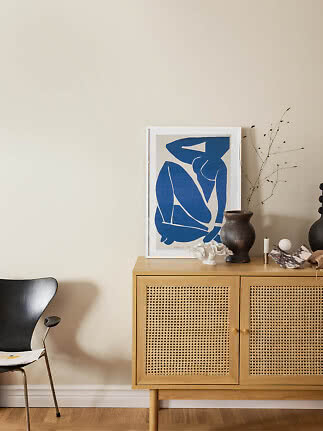
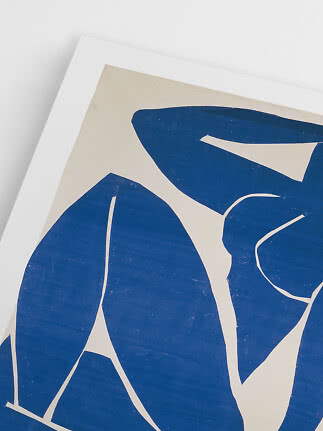
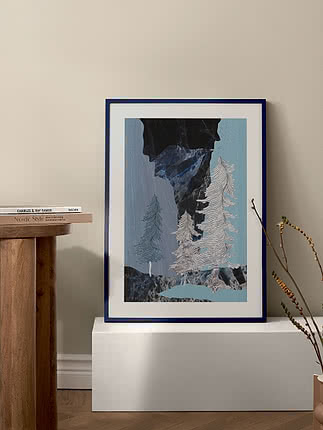
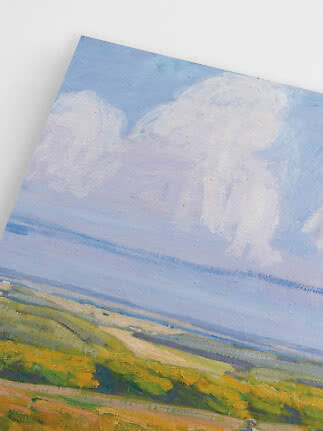
Nu Bleu III
Henri Matisse
$24.99$36.99
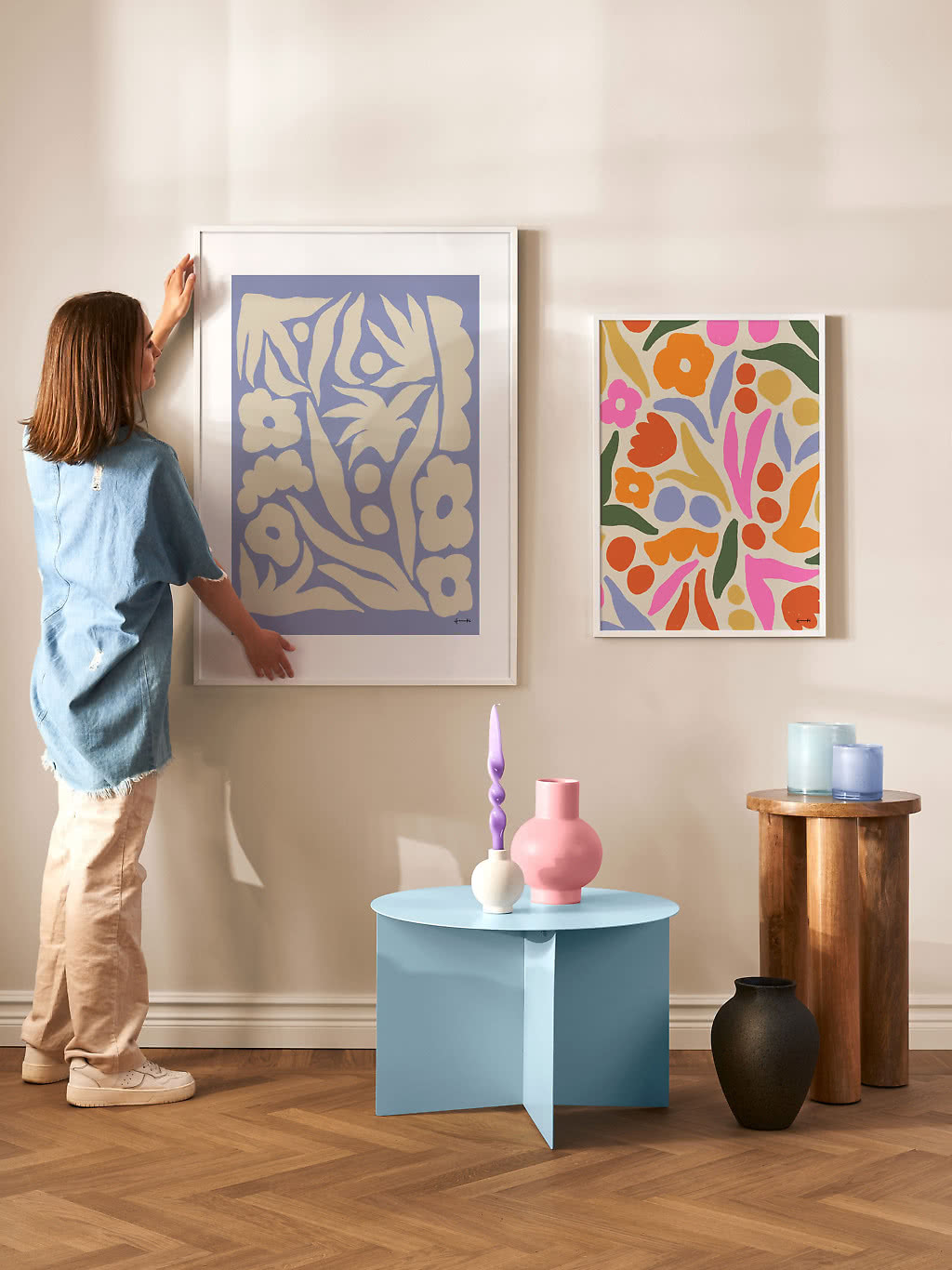
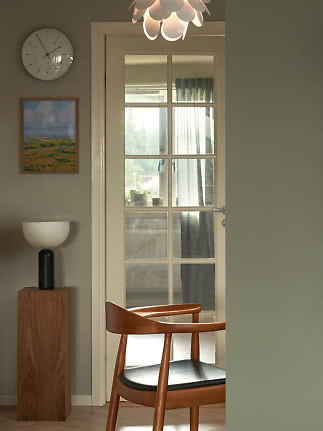
The hallway is the first room you see when you come home and the last one you rush through on your way out, keys in one hand and a coat half on. It’s small, it’s busy, and it’s the perfect place for one print you really love. Here’s how to hang art above a console, make a narrow wall or a long corridor work, lean frames when you’d rather not drill, and pick motifs that feel like a welcome.
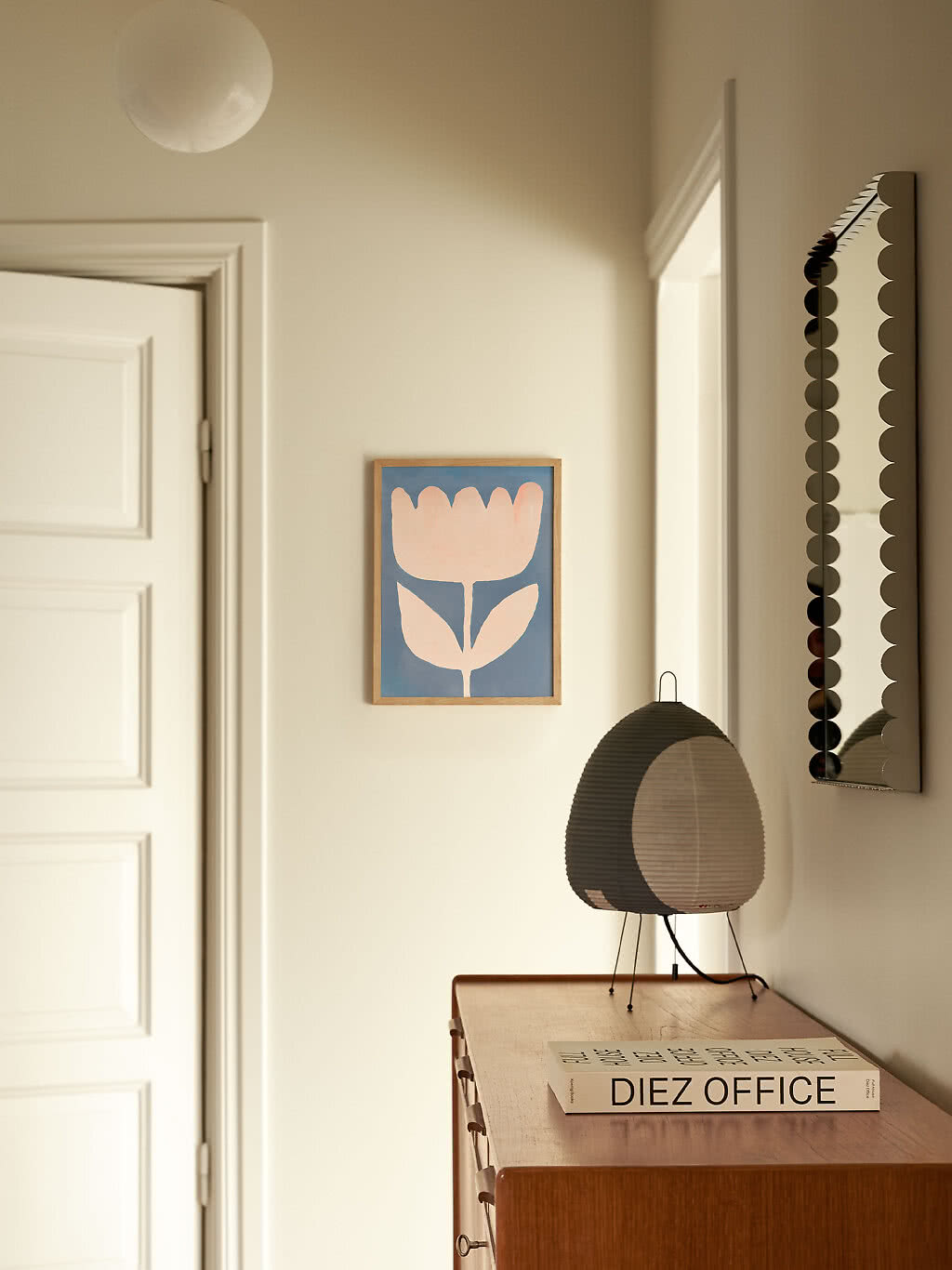
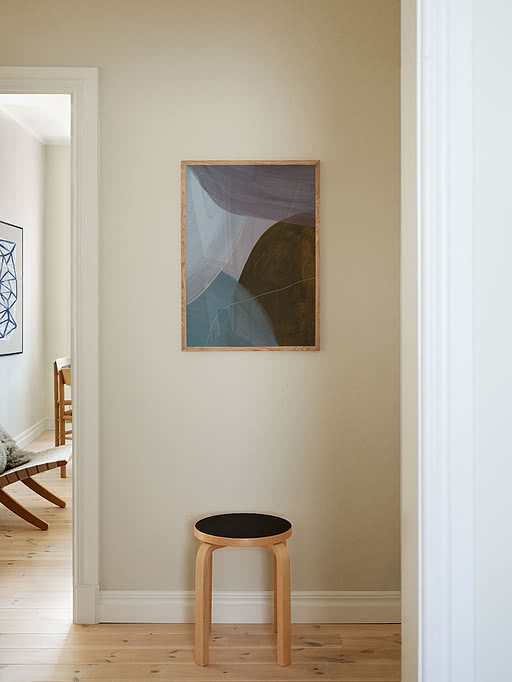
Open the front door and look ahead: that wall sets the tone for the whole home. Give it one print you’d happily see twice a day, rather than three you only half like.
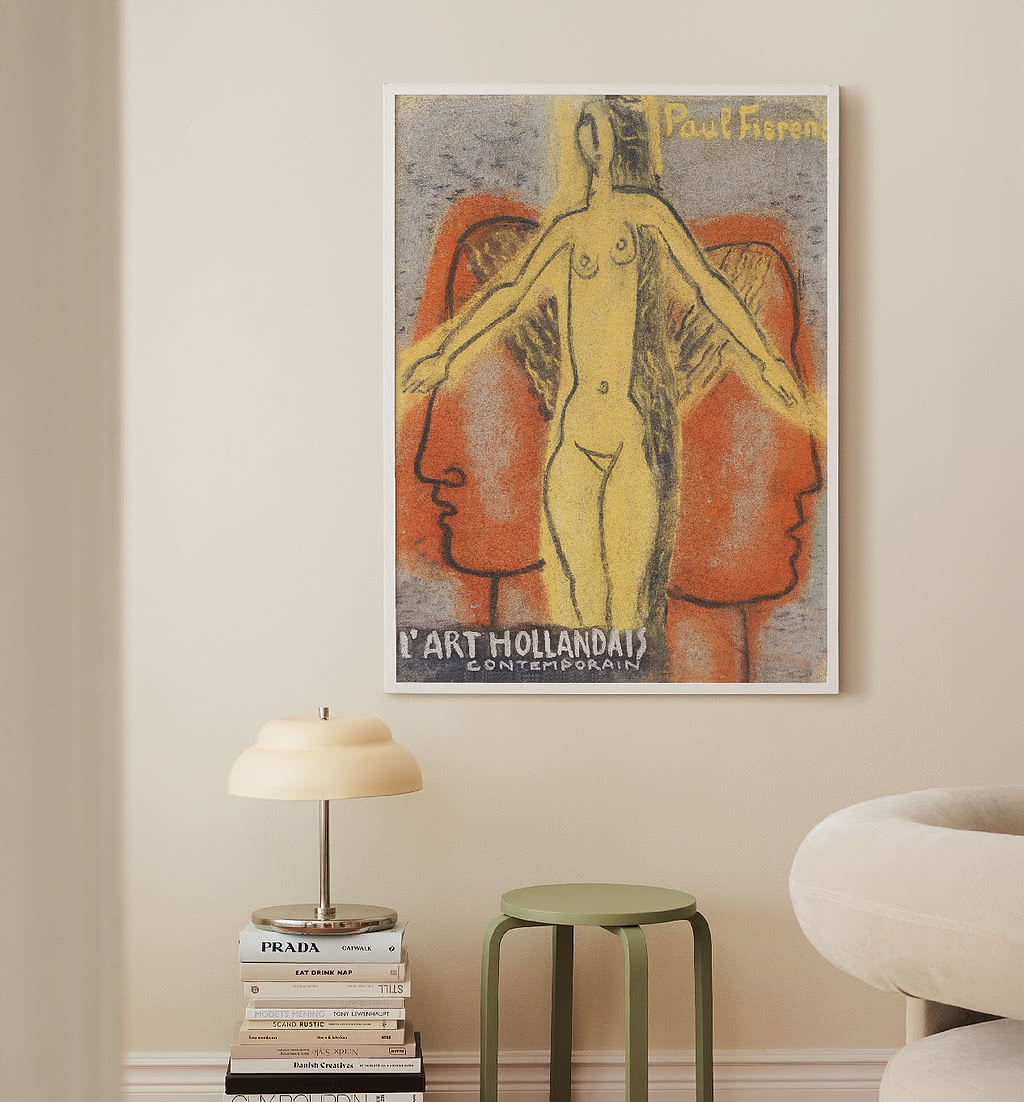
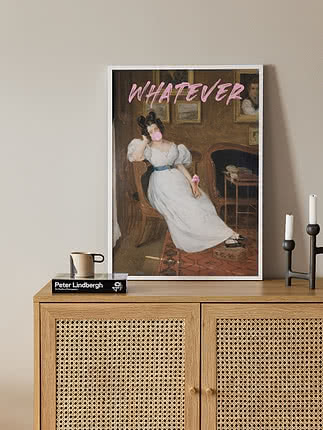
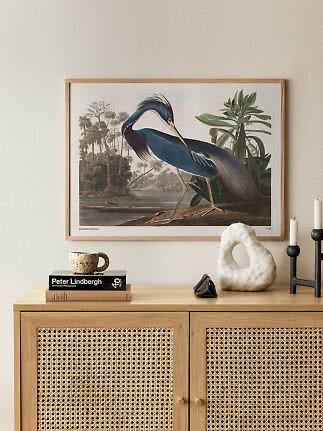
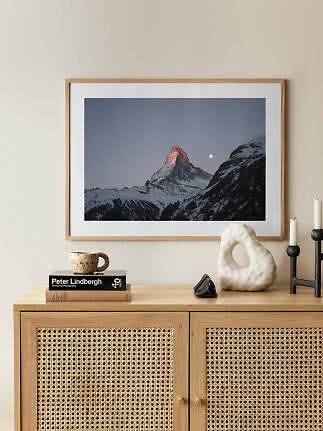
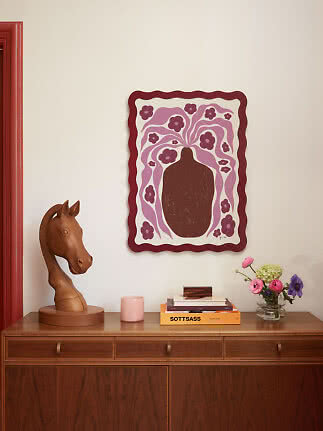
Above a console or sideboard, let the art cover about two thirds of the furniture’s width and leave 8–10 in between the top of the console and the bottom of the frame, so the two read as one piece. On a slim console of 31–39 in, that usually means one 19.7x27.6 in or two 11.8x15.7 in side by side. Enter the width of yours below.
No furniture? Hang the center of the print 57–59 in from the floor, the same height as in the rest of the home, so your walls line up as you walk from room to room. Our guide to hanging wall art has the details.
Size calculator
Choose the furniture, enter its width and see what fits – with the size, the gap and the height to hang it.
27.6x39.4 in · landscape
One large print that sets the tone – the wall does the talking. Covers about 62% of the sideboard’s width.
Shop 27.6x39.4 postersFive gallery wall layouts →Based on our hanging guide: 8–10 in above the furniture, about 2.5 in between frames and the top edge no higher than 83 in. Standard furniture heights and an 8 ft ceiling.
Hallways are full of awkward walls: the strip between two doors, the gap beside the coat rack, the corridor that goes on and on. They’re easier than they look.
A narrow wall: go tall. One portrait print, or two or three small frames stacked on top of each other, makes a narrow wall look taller instead of squeezed. Line the frames up on the same center and keep the gaps between them equal, 2–3 in.
A long corridor: go in a row. Hang same-size frames with their centers at the same height, about 57–59 in, and the same gap between each one. Matching frames feel calm; mixed frame colors feel more playful. Four layouts, drawn to scale:
Two 11.8x15.7 in, one above the other: about 34 in tall and only 12 in wide. Made for the strip between two doors.
Three 8.3x11.8 in stacked, about 3 feet tall. Small enough for the tightest spot, tall enough to be noticed.
Four 11.8x15.7 in in a line, about 54 in wide. Same frames, same gaps, same height – and the corridor becomes a gallery.
A single 19.7x27.6 in. On a wall that’s under 3 feet wide, one good print is often all it needs.
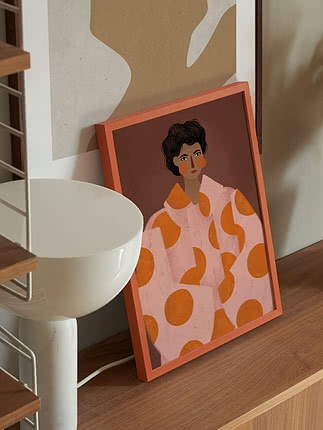
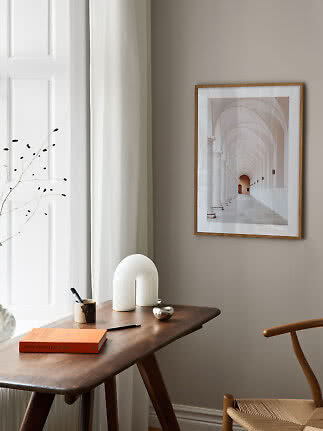
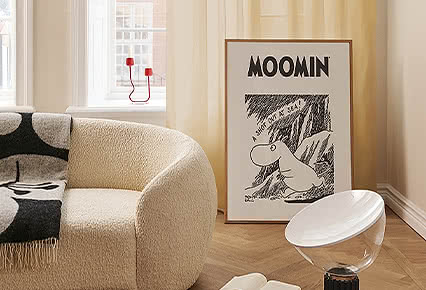
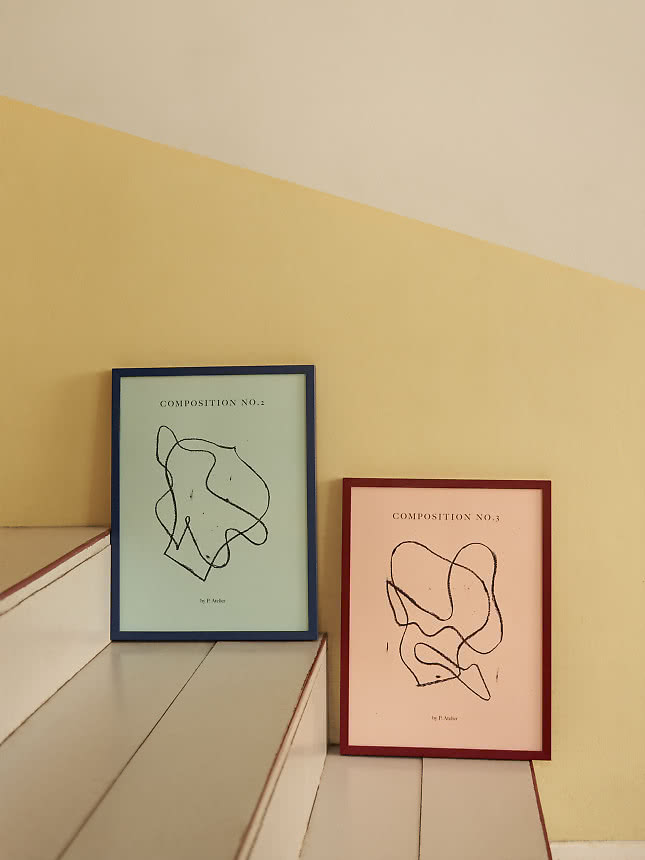
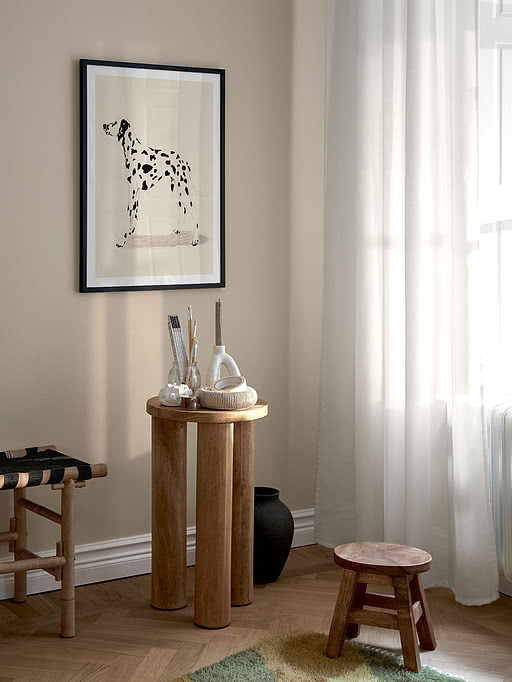
Renting, a wall full of pipes, or simply can’t decide? Lean. A frame resting on a console, a bench, a deep windowsill or even a stair looks relaxed, and you can swap it whenever the season – or your mood – changes.
Layer, don’t line up. Put a small frame in front of a bigger one and let them overlap a little. Two or three frames are plenty; more starts to look like moving day.
Want the leaning look on the wall? A picture ledge is a shelf just for art, so you can rearrange without new holes.
You walk through a hallway rather than sit in it, so choose motifs that work at a glance: clear shapes, strong color or a view you could step into. Then borrow a color or two from the room next door, and the whole home feels joined up. Four directions to start from – or browse all our hallway posters.
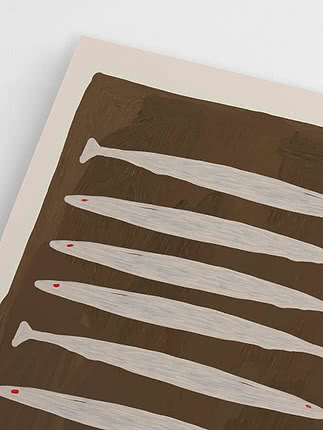
Soft shapes and quiet colors to come home to – and easy on the eyes at seven in the morning.
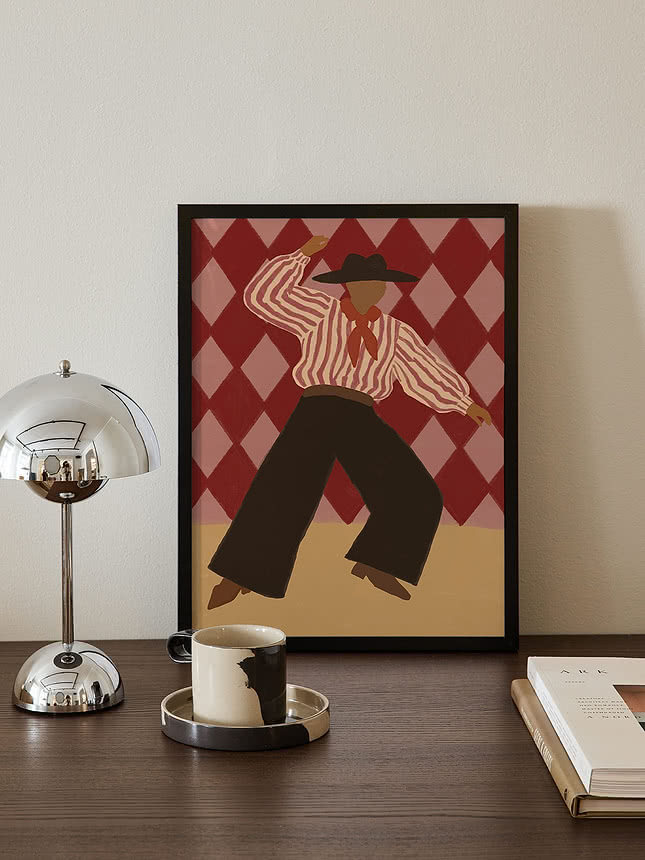
Bold shapes you can read from the front door. One is enough to wake up a white hallway.
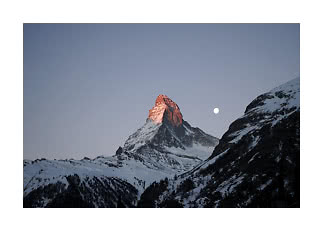
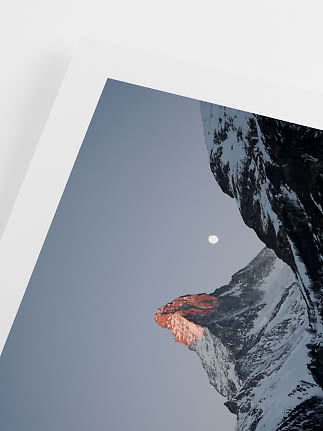
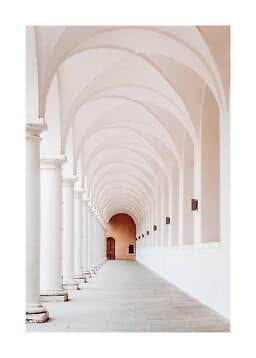
A corridor, a mountain, a front door: photographs that open up a hallway without windows.
Friendly faces and flowers that say hello on your way in.
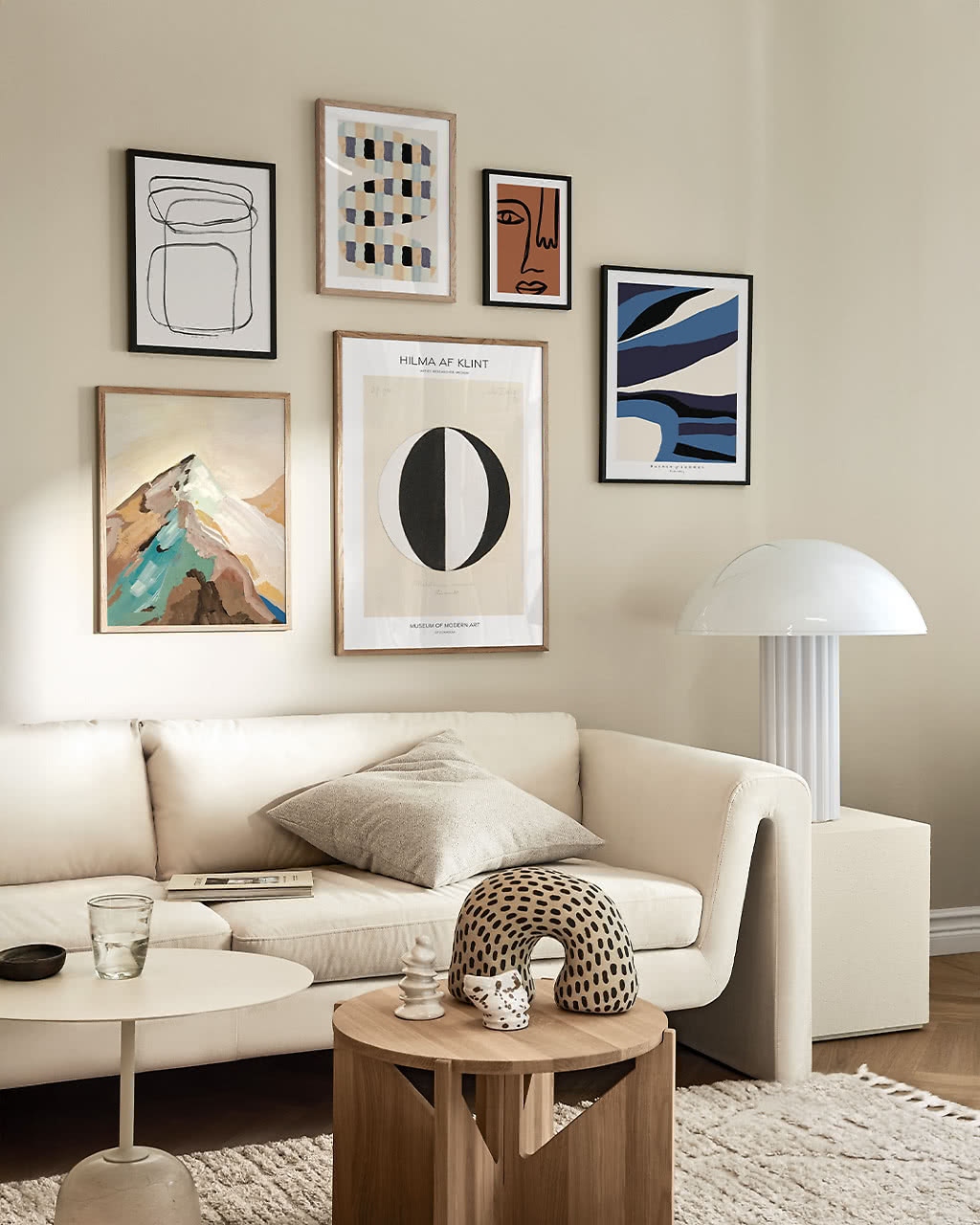
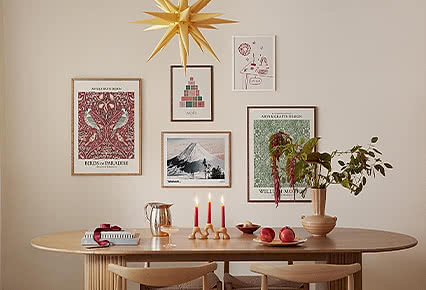
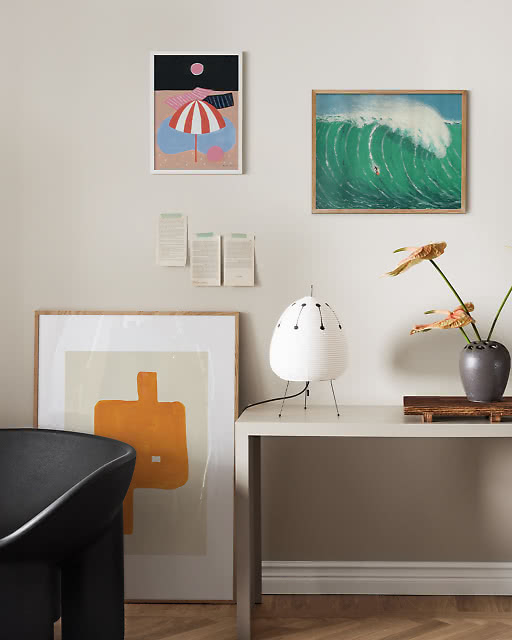
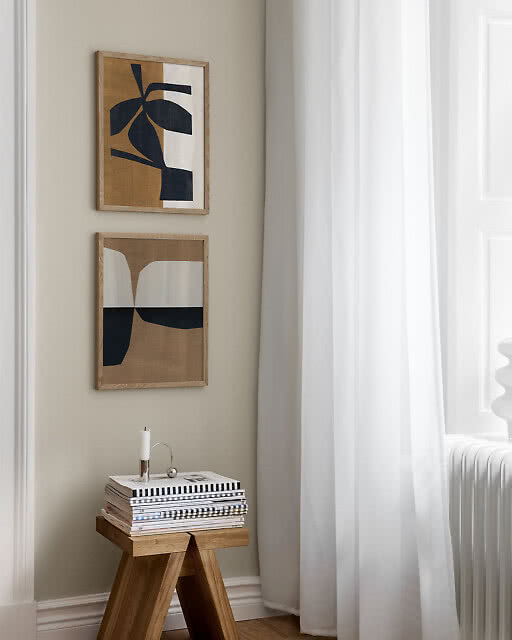
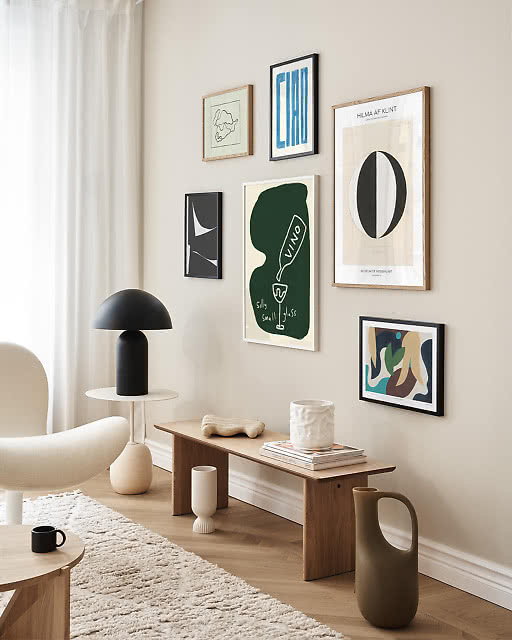
Rather skip the measuring? These walls from our inspiration pages suit a hallway – one for a console, one for a narrow corner and one for a bench – with every print and size in one place.
It depends on the wall. Above a console of 31–39 in, one 19.7x27.6 in or two 11.8x15.7 in side by side. On a narrow wall, one portrait print or a stack of small frames in 8.3x11.8 in or 11.8x15.7 in. A long corridor can take a row of same-size frames, and a wide entrance hall has room for a 27.6x39.4 in.
With the center 57–59 in from the floor, like in the rest of your home. Above a console or sideboard, leave 8–10 in between the top of the furniture and the bottom of the frame instead.
Go tall on the short walls and use a row on the long ones. Stick to slim frames, keep the gaps equal and leave the walkway clear – a stack of small frames or a picture ledge takes up hardly any space.
Yes. Lean frames on a console, a bench or a picture ledge. It’s the easiest way to change things around, and good news if you rent or can’t drill.
Hallway bestsellers
New
New
New
New
New
New
More from the magazine
All articles →