 (1).png)
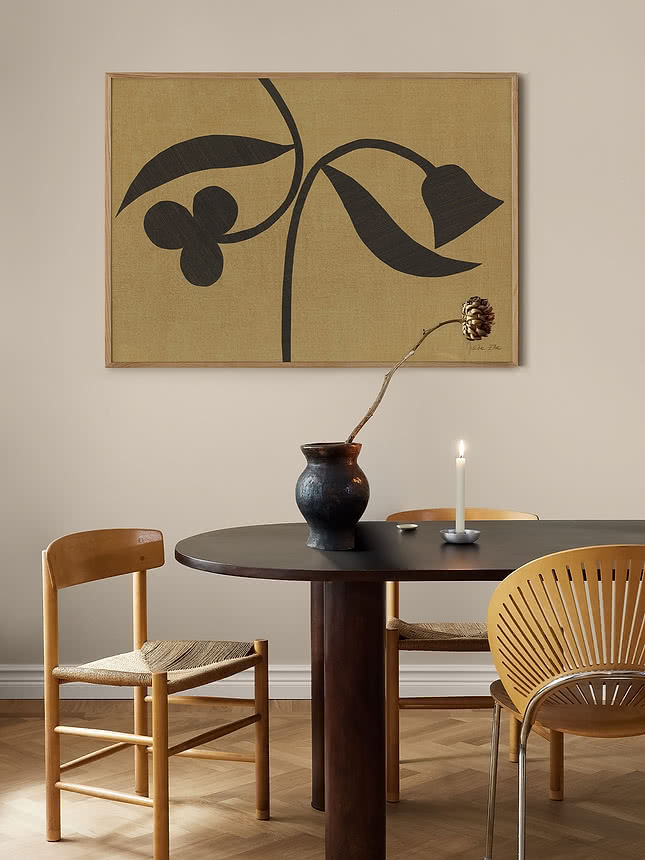




51% off
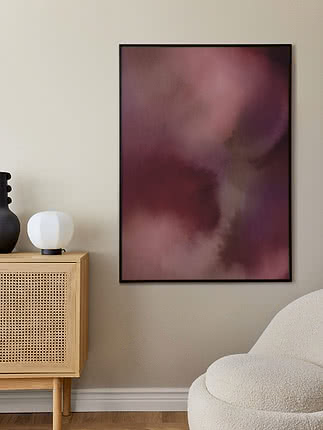
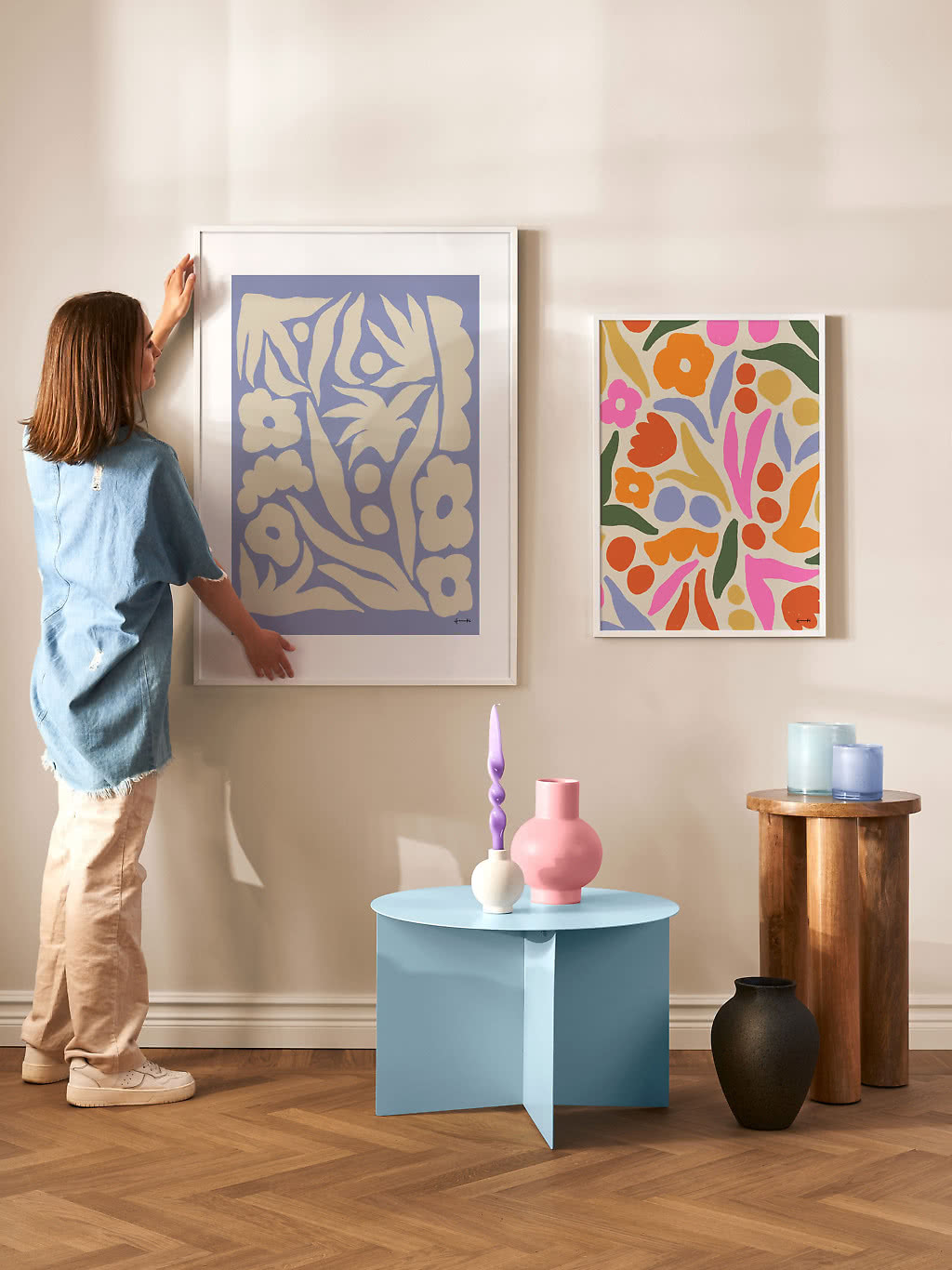
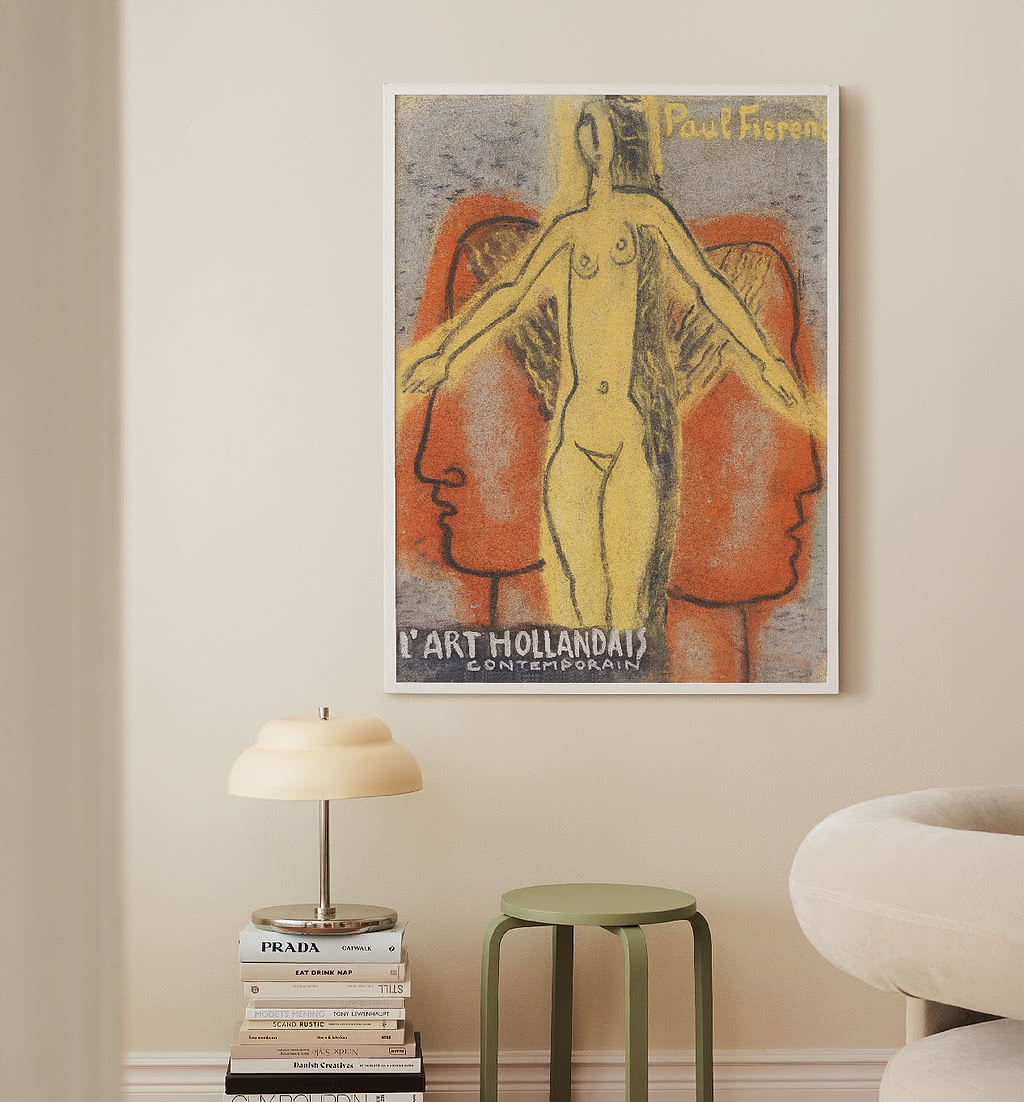
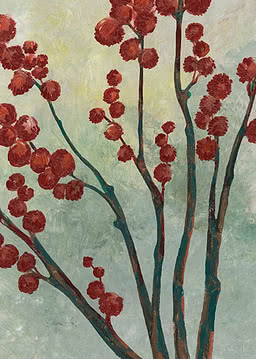
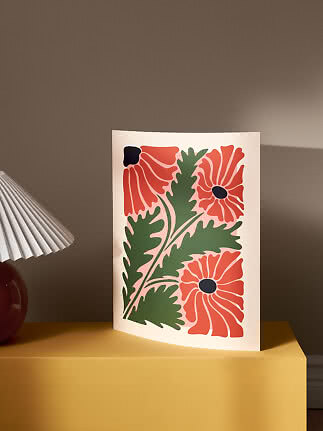
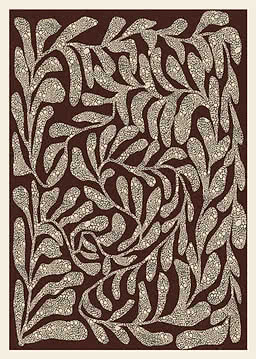
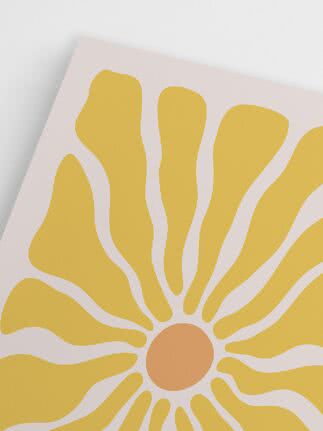
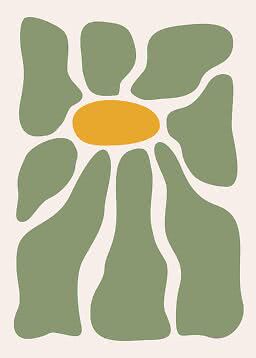
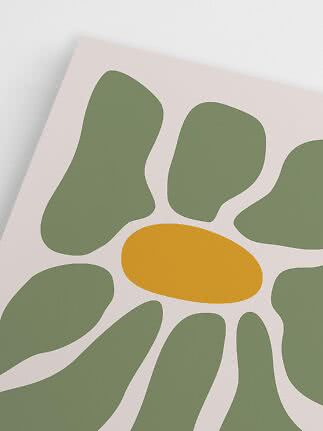
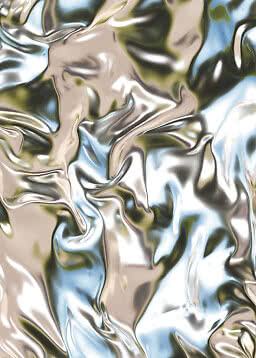
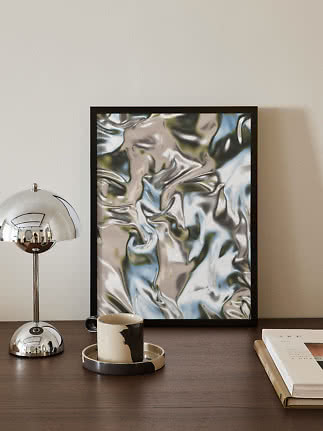
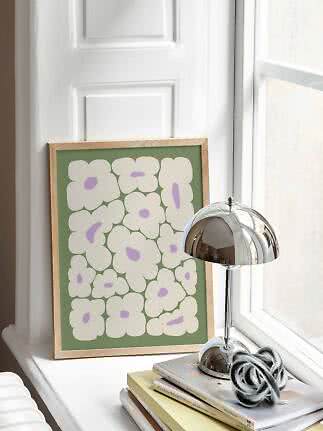
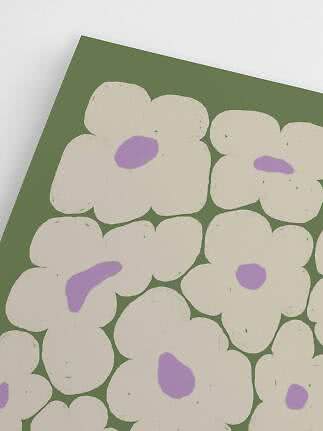
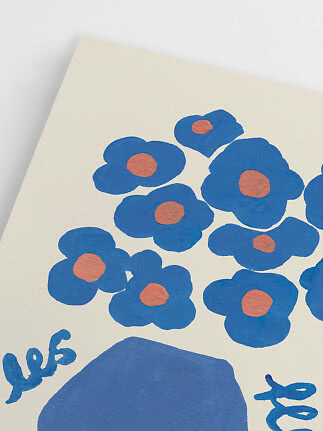
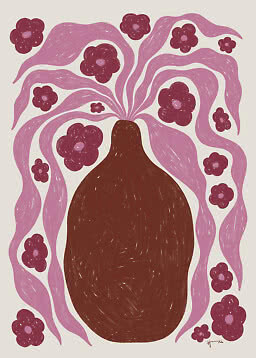
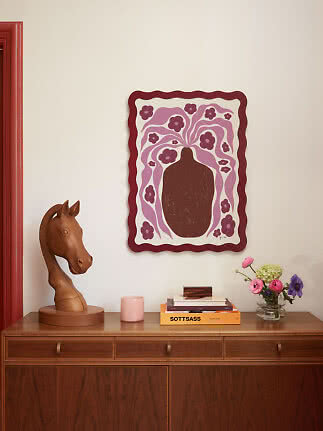
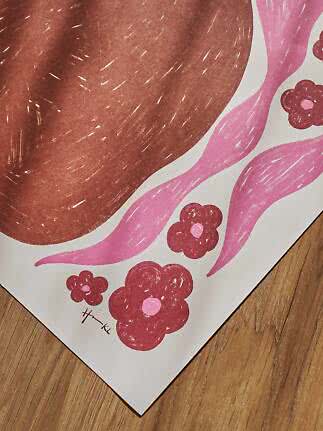
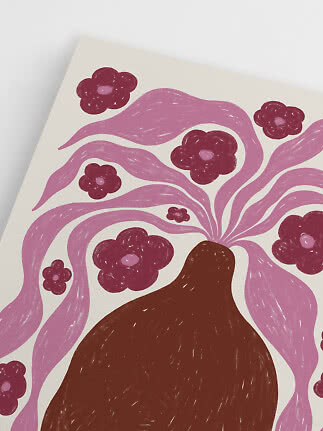
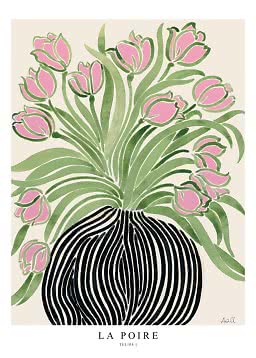
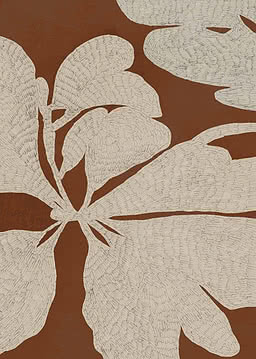
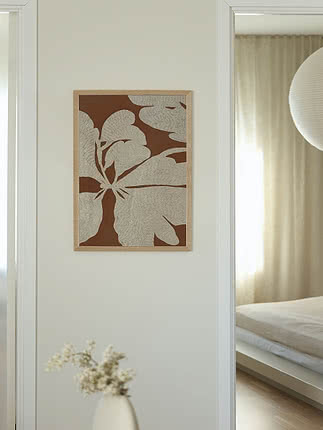
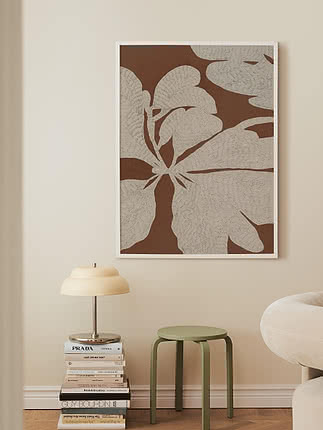
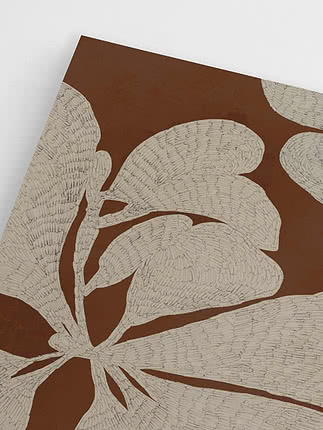
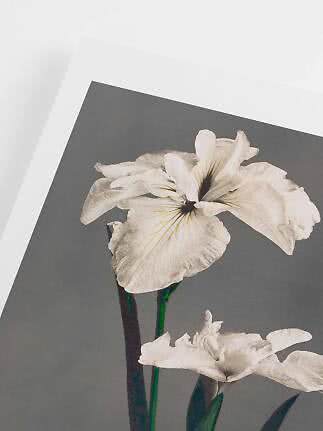
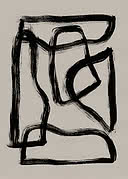
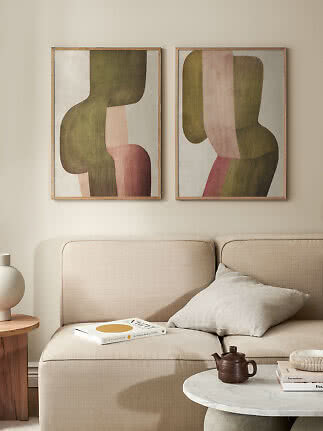
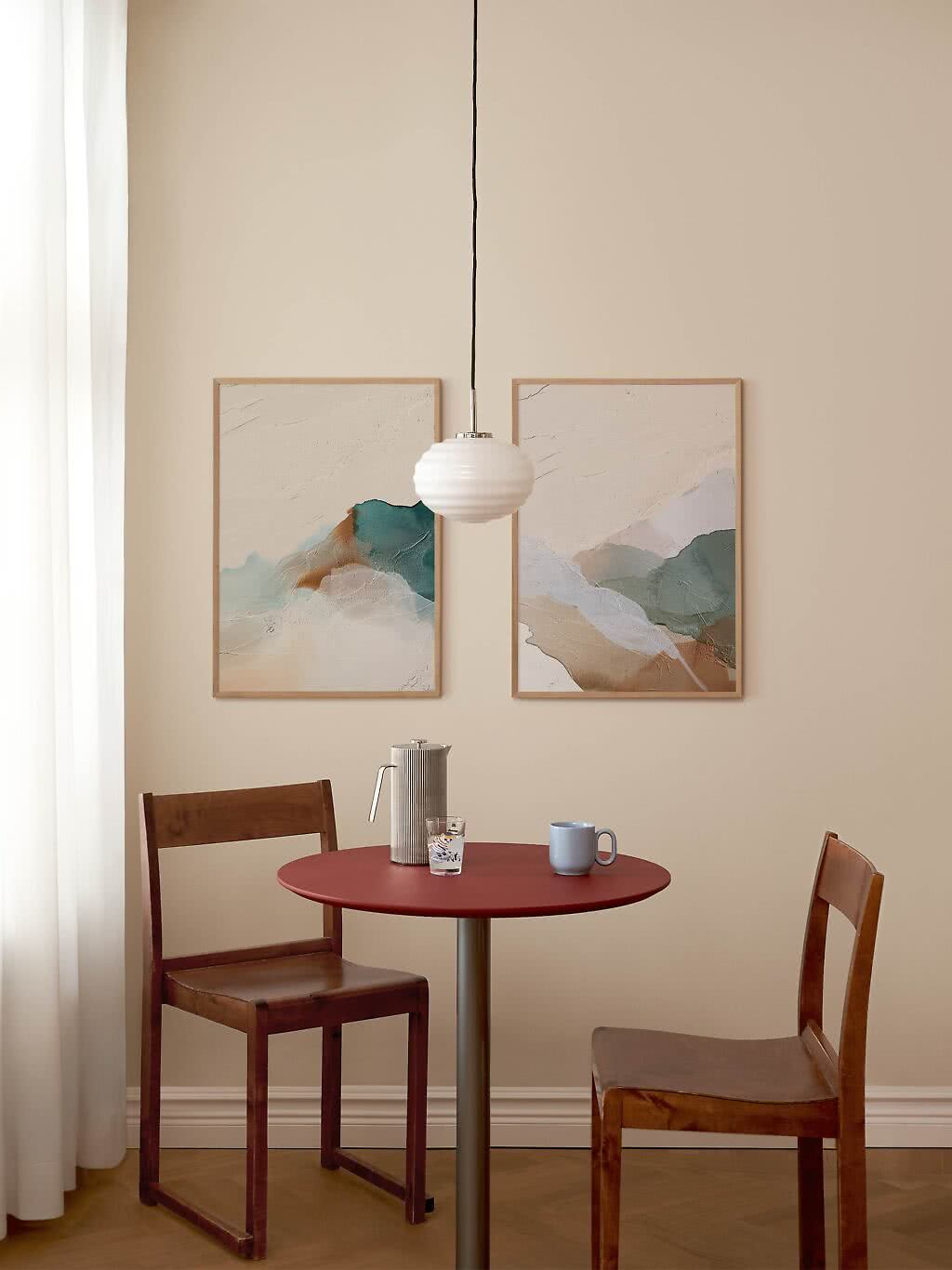
Muted Organic Flow I
Alma
$21.99$44.99
The dining room is the one room where you sit still and look at the same wall for hours: a slow Saturday breakfast, homework spread across the table, a dinner that starts at seven and is still going at midnight. Art here is not something you walk past on the way somewhere else; it keeps you company. That shifts the rules a little. It should hang lower than you are used to, be sized to the table rather than the wall, and hold your interest long after the main course. Here is how we would dress a dining room, from the seated eye line and the sideboard to candlelight and the print you swap when the season turns, and why the best piece is the one you are still discovering by dessert.
In short
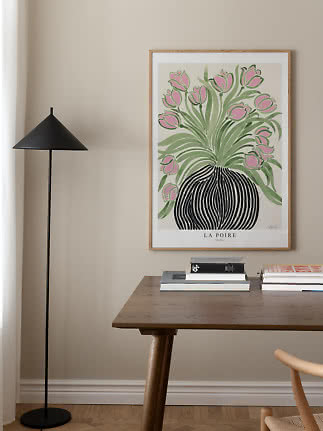
Lower than you think. Leave about 25 cm from the tabletop to the lower edge of the frame, and measure from the table rather than the floor. Above a dining table it is perfectly fine to hang lower than in the rest of the home, because everyone is sitting down. Hung close to the table, the art belongs to it and lands right where your eyes rest between courses. For the rest of the home, see our guide to hanging wall art.
Anchor it to the table, not the wall. The table is what the art belongs to. Centre it on the table, even when the wall is wider or the table stands a little off to one side of the room.
Think about who faces it. Around a table, half the guests sit with their backs to a wall and look at the one opposite. Give your favourite piece to the wall most people see. Where a bench or chairs stand against the wall, hang a little higher, so heads and chair backs stay clear of the frame.
Not sure what fits your table? Enter its width below and see the size, the gap and the height.
Size calculator
Choose the furniture, enter its width and see what fits – with the size, the gap and the height to hang it.
100x140 cm · landscape
One large print that sets the tone – the wall does the talking. Covers about 78% of the dining table’s width.
Shop 100x140 postersFive gallery wall layouts →Based on our hanging guide: 20–25 cm above the furniture, 6 cm between frames and the top edge no higher than 210 cm. Standard furniture heights and a 240 cm ceiling.
Aim for two-thirds to three-quarters. That is how much of the table’s length the art should cover, whether it is one print or several. Much narrower looks like an afterthought; much wider starts to crowd the room.
A round table wants one centre. A single print, or a square one that echoes the shape, keeps the calm of a round table. Above a round table for four, a 50x70 on its side, a 70x70 or a pair of 40x50 all fit.
A long table can carry more. Follow the length with a wide landscape, a pair of posters or a short row with the same gap between every frame. Above a table that seats six, think one 100x140 on its side or two 70x100.
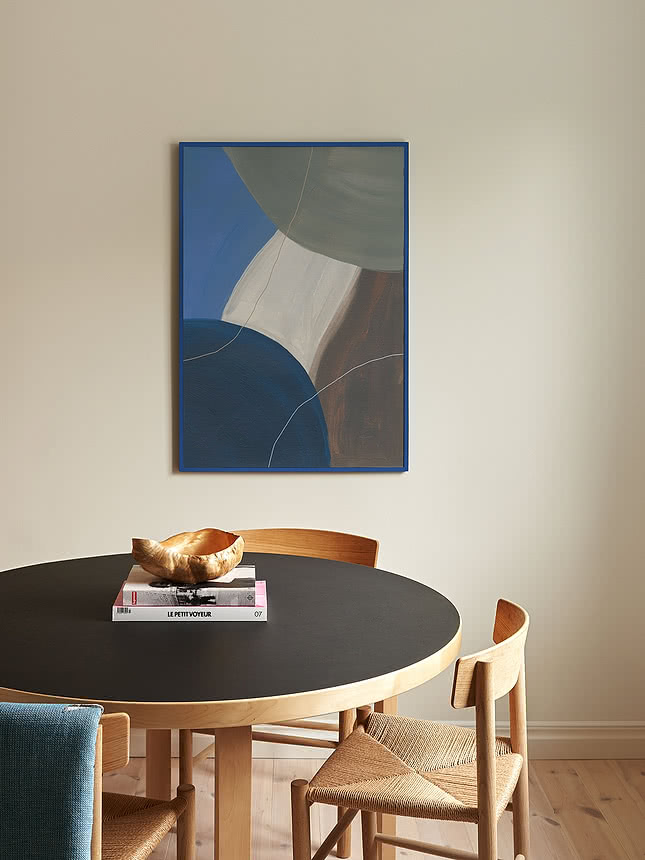
Go big, go abstract. Large art is very much in right now, abstracts above all. The dining room is made for it: one generous piece above the table feels calm and confident, and an abstract gives everyone at the table something new to find as the evening goes on. Our guide to XL wall art has more on the big formats, and our guide to abstract wall art helps you choose the motif.
Extending table? Size the art for the length you use on an ordinary Tuesday, not the twelve-seat version you pull out at Christmas.
Most dining rooms have a second wall worth dressing: the one with the sideboard. It plays by different rules. Nobody sits right in front of it, the top holds candlesticks, bowls and a lamp, and there is room to layer.
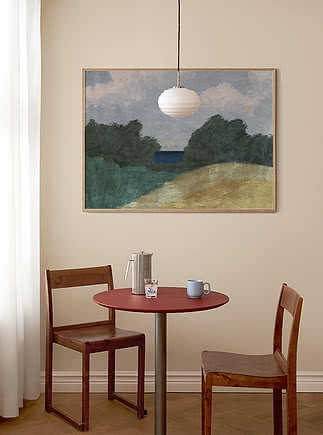
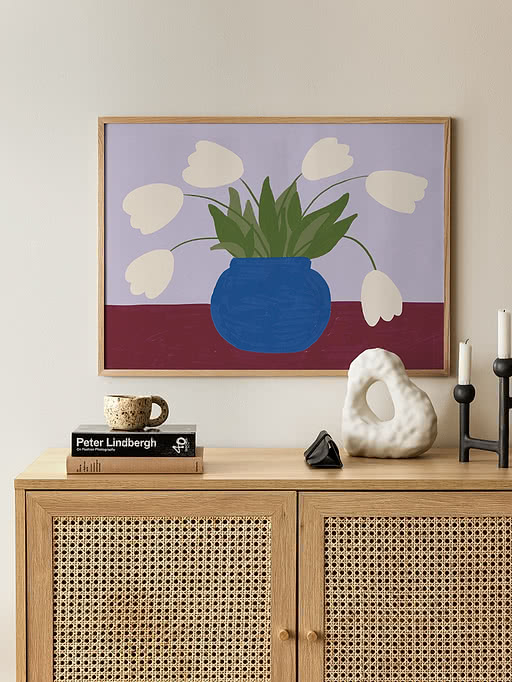
Hang it close. A short gap between the sideboard and the bottom of the frame ties them together, so the art and the objects read as one still life.
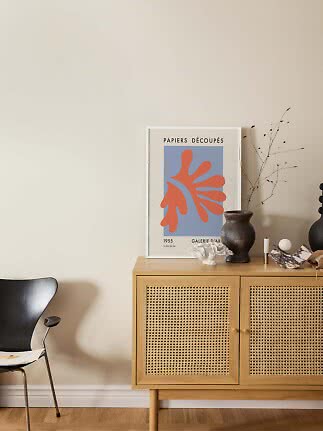
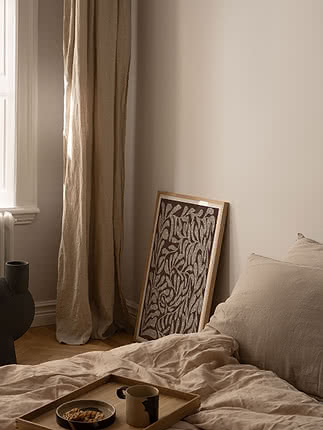
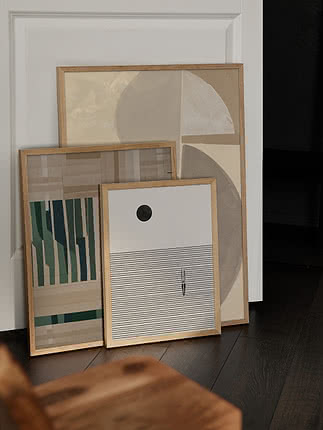
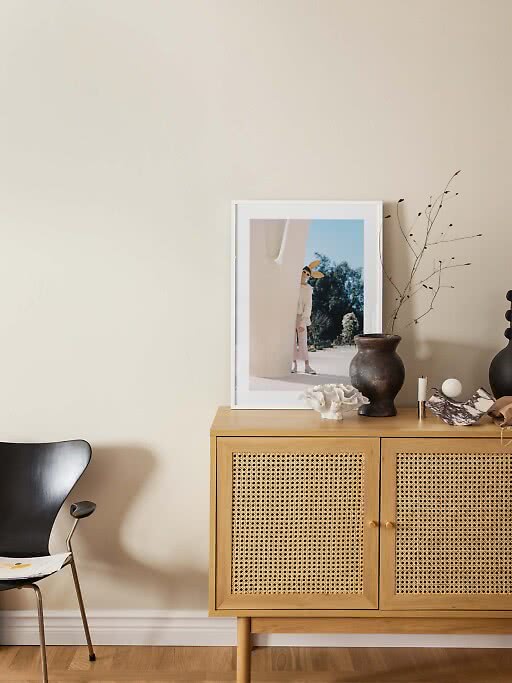
Or simply lean it. A frame standing on the sideboard can move in seconds, and a smaller one in front of a bigger one adds depth. No new holes in the wall either, as in our guide to hanging pictures without drilling.
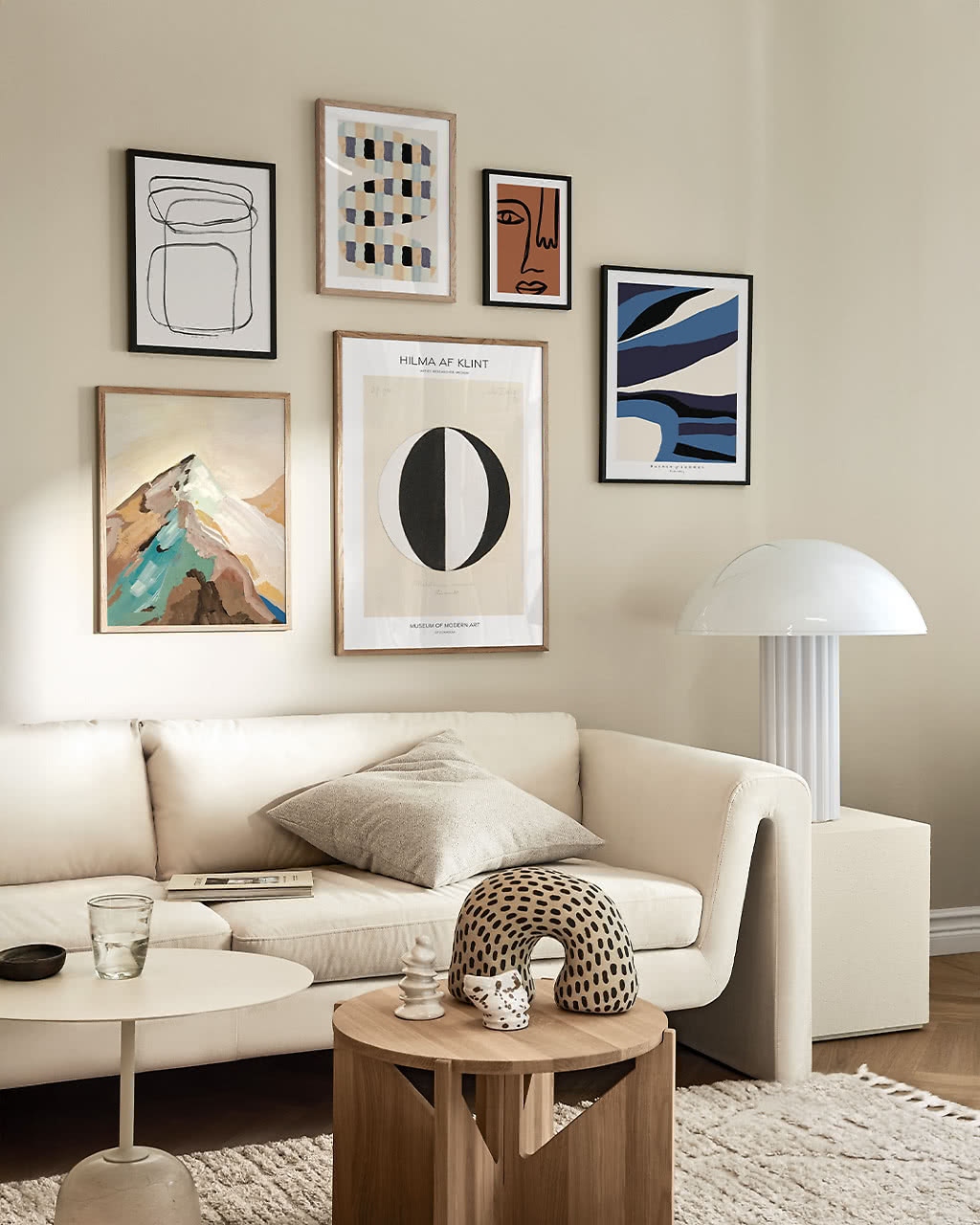
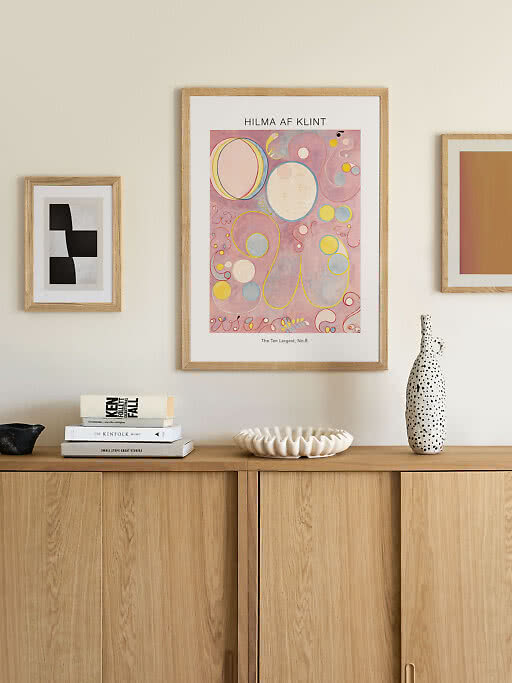
Off-centre is allowed. Hang the art to one side and give the other to a lamp or a tall vase. Or build a small group around one larger piece, the way the Hilma af Klint does below.
A dining room changes light more than any other room: bright and even at lunch, warm and low at dinner. Choose art that looks good in both.
Under the pendant. In the evening the lamp above the table is the brightest thing in the room, and its reflection can land right in the middle of a frame. Before you drill, sit down, switch on the pendant and see where the reflection falls. Our posters are printed on matte paper, so it is only the glazing that shines.
Or skip the glazing. If the wall faces a window, or the pendant catches the glass wherever you hang it, go for canvas. With no glazing there is no glare, and soft abstracts and painterly motifs come alive on the woven surface. Find yours among our canvases, or read more in our guide to poster or canvas.
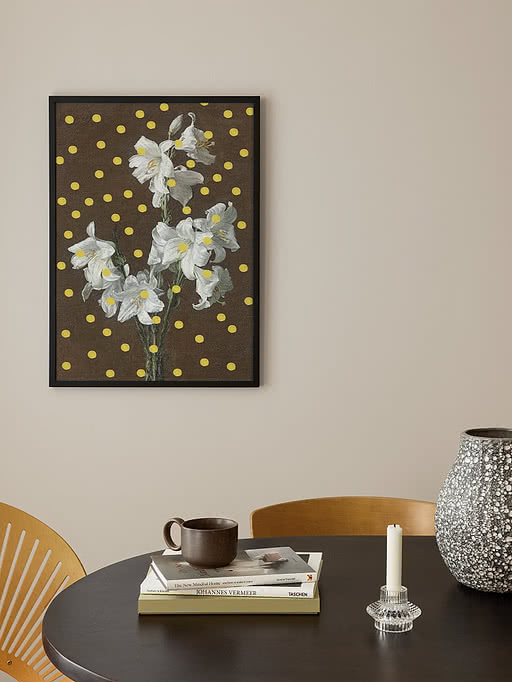
By candlelight. Candles warm every colour and soften fine detail. Clear shapes and strong contrast hold up best when the lights go down: white flowers on a dark ground, a black frame, a bold silhouette.
In daylight. A seat by the window is lovely, but strong direct sun is hard on any print. Ours are printed on archival paper that does not yellow; even so, a wall out of direct sunlight keeps the colours at their best. If you are unsure which frame suits the light in your room, our guide to choosing the right frame can help.
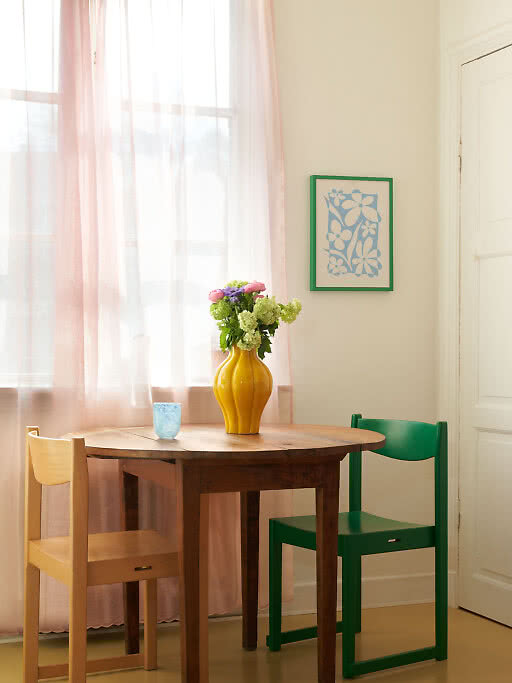
The best dining room art is the kind you see more in as the evening goes on. A quick graphic reads in a second; a painting with layers, a face or a pattern you only notice over dessert keeps giving.
Choose something to talk about. A famous painting, a portrait or a photograph with a story is the easiest conversation starter in the house. More ideas in famous art prints.
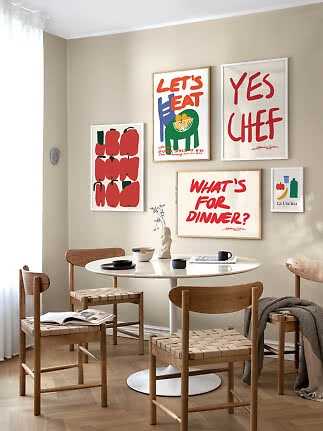
Leave the food to the plates. Food motifs have their own home in kitchen wall art, and drinks belong with our cocktail posters. Around the dinner table we reach for abstracts, botanicals, still lifes and faces instead.
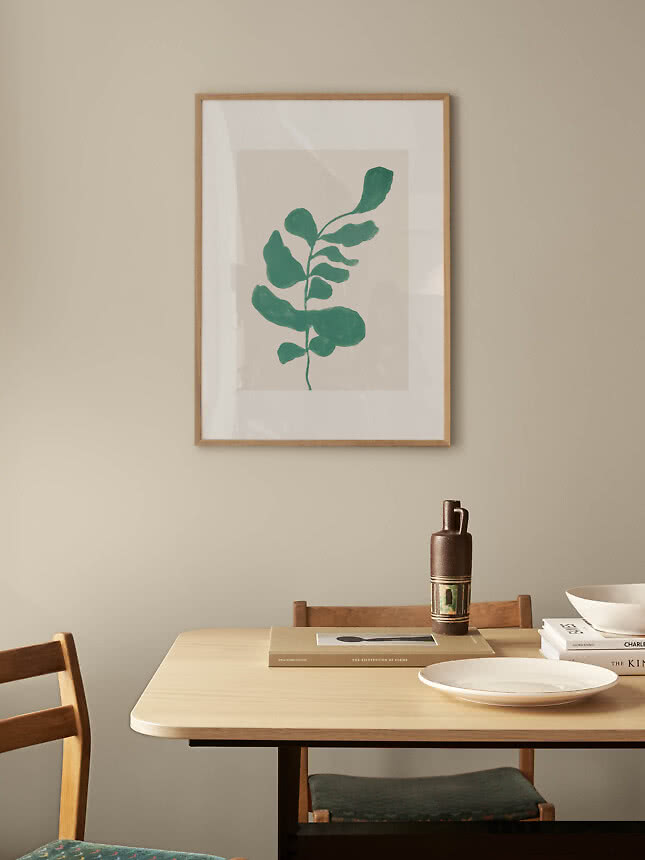
Calm wins over three hours. Pick colours you can sit with all evening: deep greens, warm reds, soft blues. Save the loudest motif for a wall you only pass, like the one in the hallway.
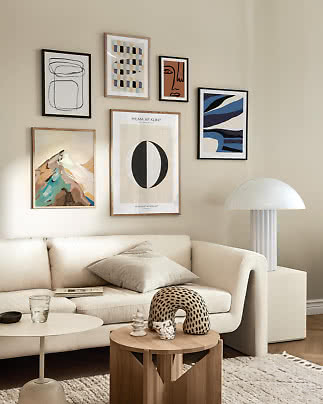
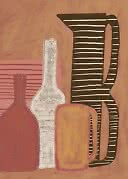
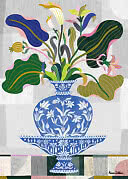
Layers, shapes and brushwork that reveal something new every time you look up from your plate.
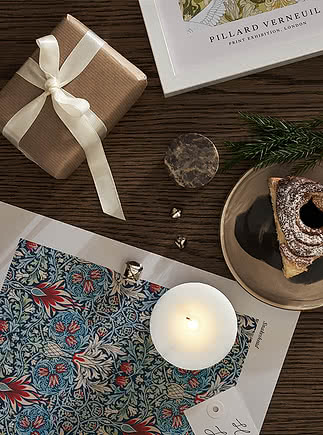
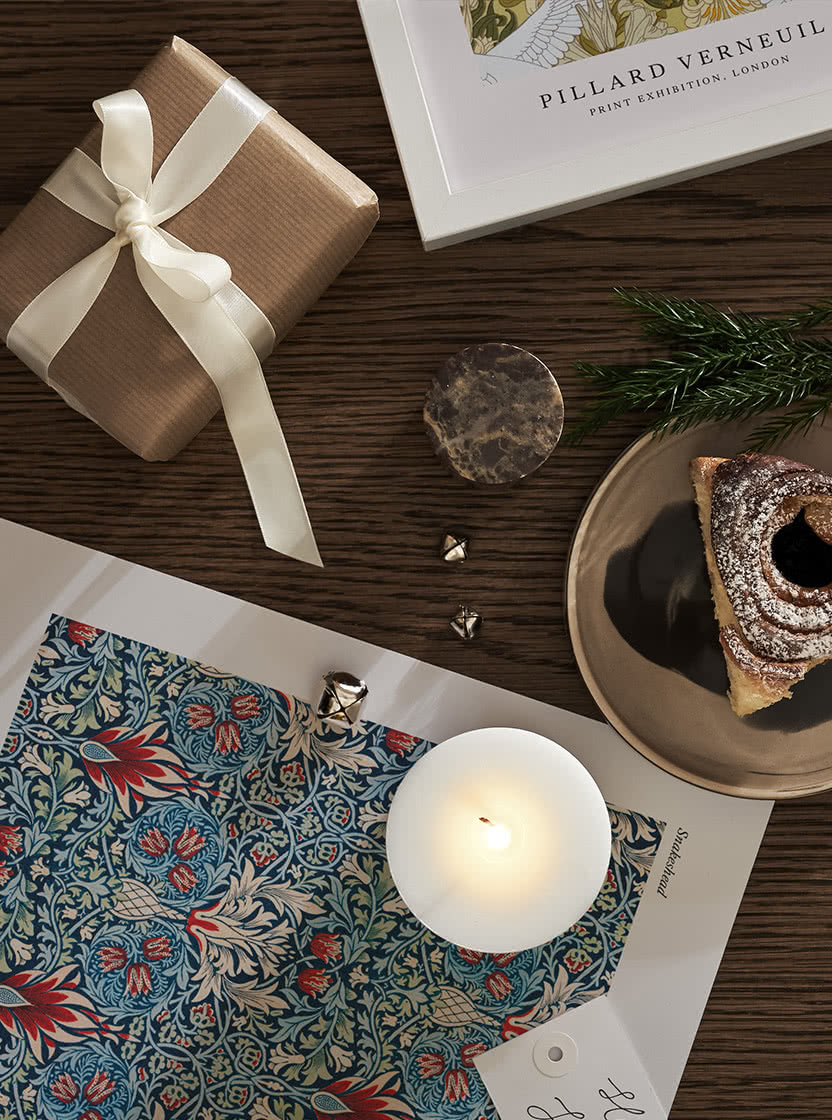
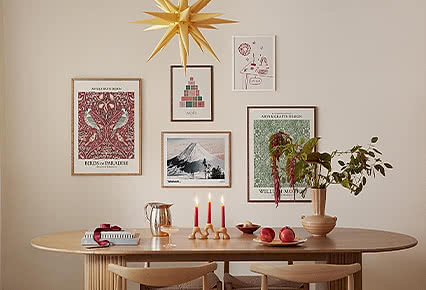
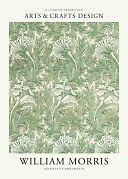
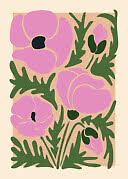
A William Morris pattern, poppies and a lotus garden: green and growing, whatever the season.
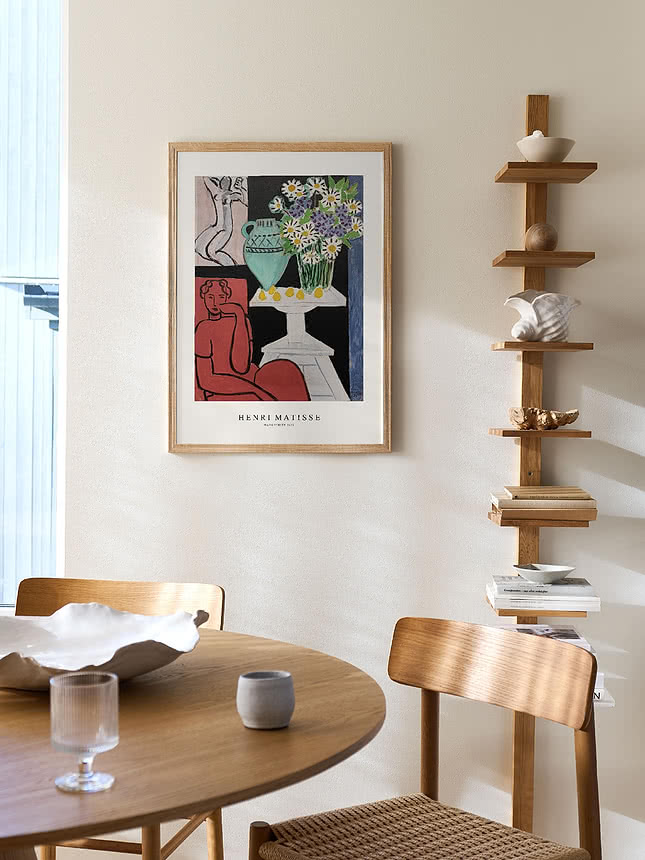
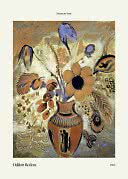
Vases and vessels: the calm of a classic still life, with nothing on the wall competing with the plates.
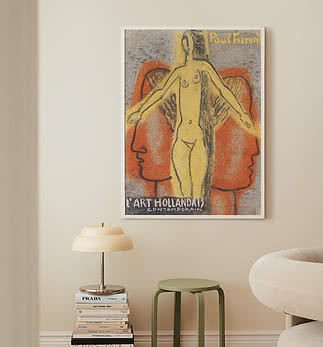
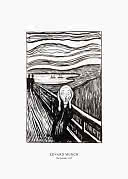
A marble emperor, a famous scream and a woman in bloom. Faces that keep the conversation going.
A dining room sees the whole year from the same chairs: light summer evenings with the window open, dark November dinners, Christmas, the first spring Sunday. The wall can keep up.
Keep the frame, swap the print. Our frames open at the back with clips, no tools needed, so a new motif takes a few minutes. Here is how to swap the print and keep the frame.
Collect in one size. If the frame above the table is a 50x70, choose your seasonal motifs in 50x70 too, and keep the resting ones flat in a drawer.
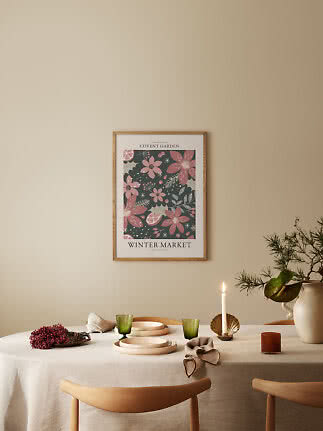
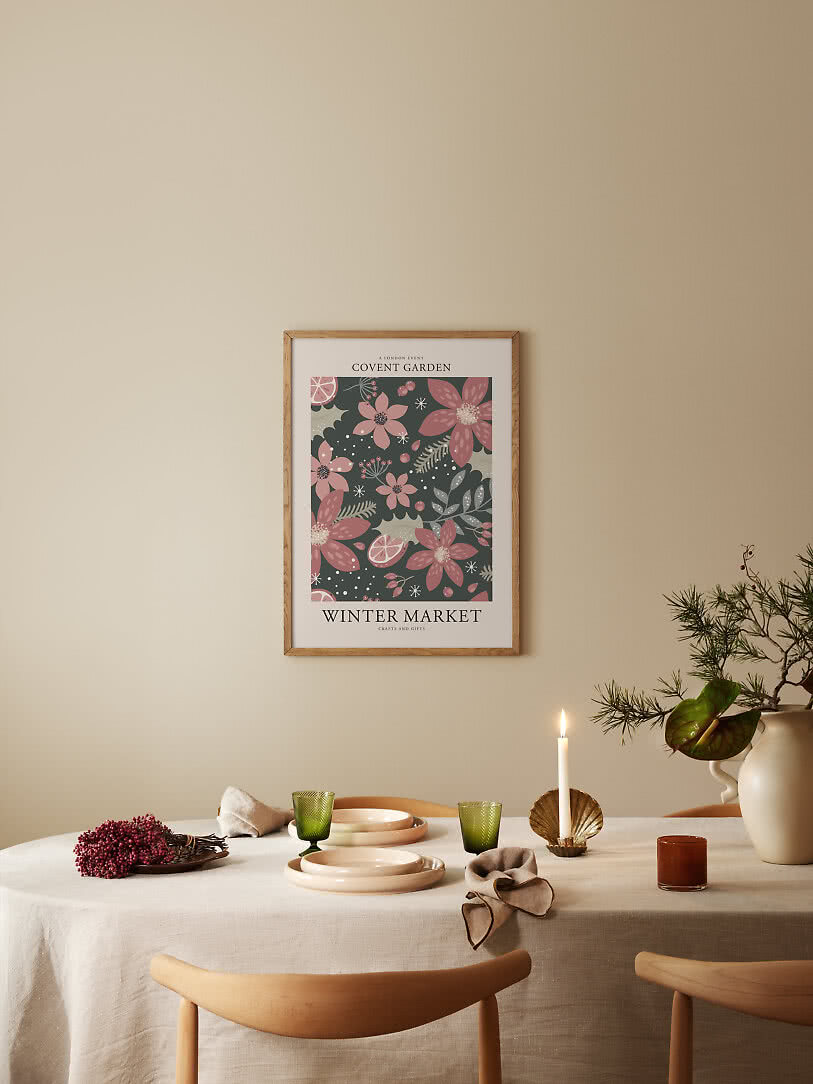
A rhythm to start with. Fresh botanicals in spring, light and airy colours for summer, warm reds and rust when the leaves turn, deep greens and candlelight for winter.
Art that holds up to a long look: abstracts with layers, botanicals, still lifes, portraits and famous paintings. Choose colours you can sit with all evening, and leave food motifs to the kitchen.
Lower than in the rest of the home, since everyone is sitting down. Leave about 25 cm from the tabletop to the lower edge of the frame.
Let the art cover about two-thirds to three-quarters of the table’s length. Above a round table for four, a 50x70 on its side or a 70x70 works well; above a table that seats six, try one 100x140 or two 70x100.
On the table. The art belongs to the table, so centre it there even if the wall is wider or the table stands off-centre in the room.
A landscape print hung close to the top, a frame leaning against the wall, or a small group around one larger piece. Leave space on the sideboard for a lamp or candlesticks.
Sit down and switch on the pendant before you hang, and move the art until the reflection falls outside the frame. If the wall faces a window or the lamp still catches the glazing, go for canvas: with no glazing, there is no glare.
Art for the dining room
New
New
New
More from the magazine
All articles →