 (1).png)
53% off
Hide and Seek
Postery
$25.99$54.99
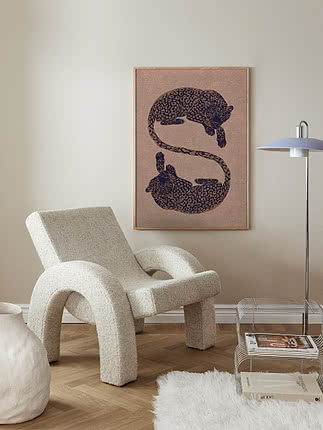
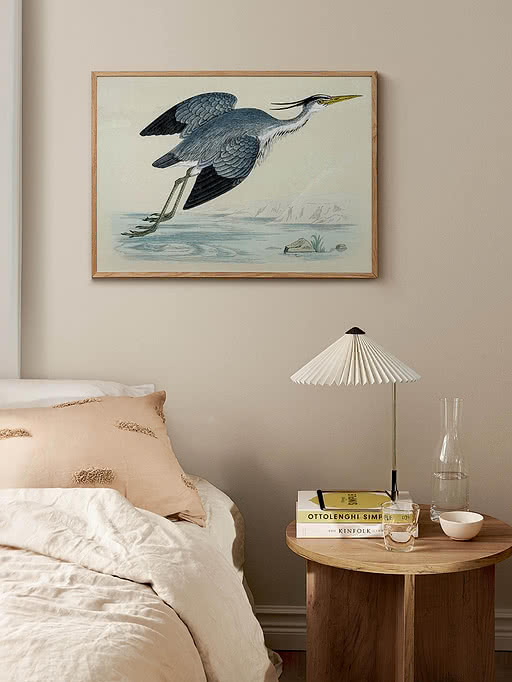
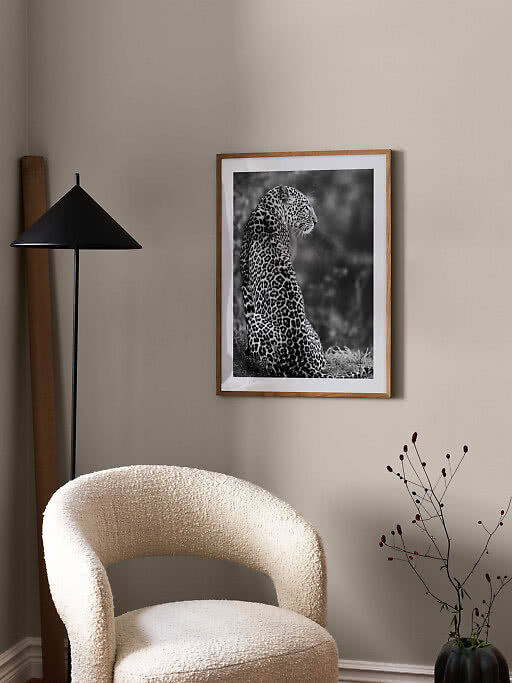
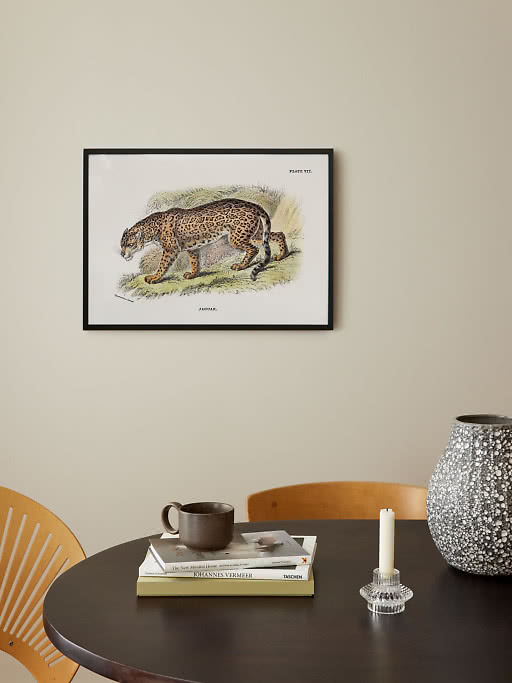
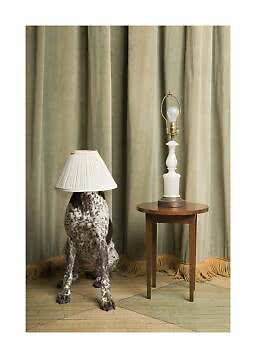
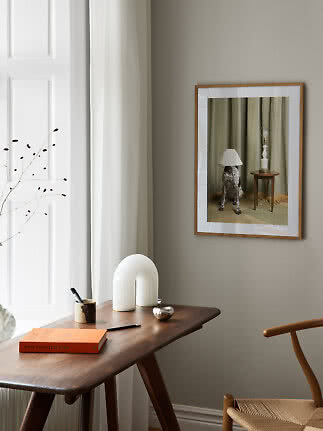
An animal on the wall changes a room in a way few other motifs can. A heron crossing still water slows a bedroom down, a dog under a lampshade makes the hallway smile, and a leopard in black and white gives the wall above an armchair real presence. Animal prints are also some of the most personal art there is: we choose the bird we grew up with, the breed asleep on our own sofa, the horse we once rode. This guide takes birds, dogs, cats, horses and wild animals one at a time, then looks at photograph, illustration and old natural-history plate, the rooms and sizes that work, and how to give an animal print as a gift.
In short
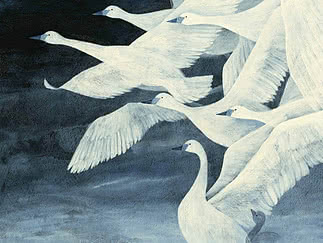
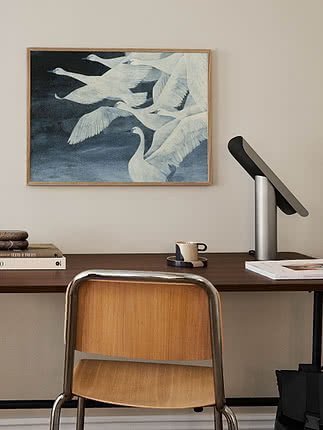
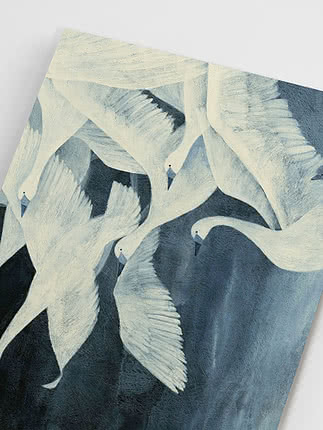
Birds are the easiest animals to live with on a wall. They bring movement and a little nature without taking over the room, and our bird prints run from small songbirds to cranes, swans, flamingos and peacocks.
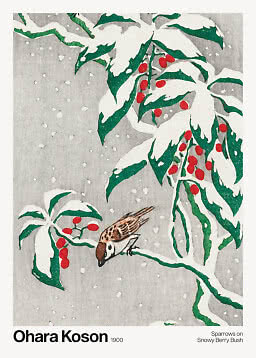
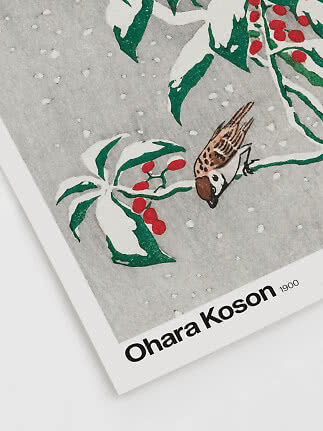
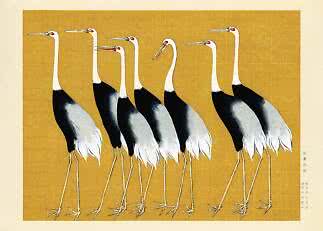
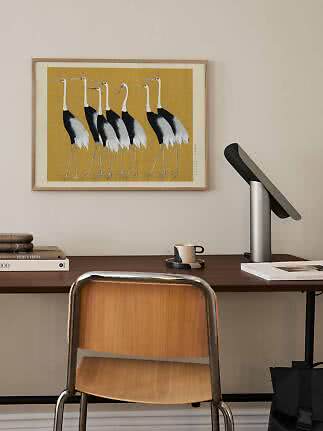
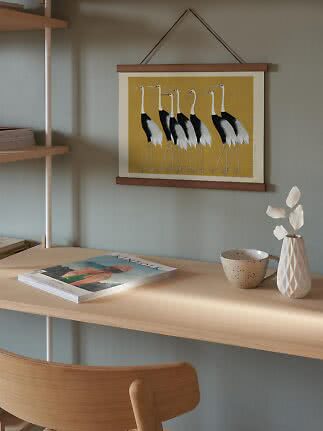
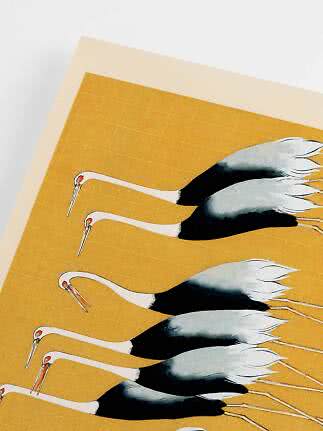
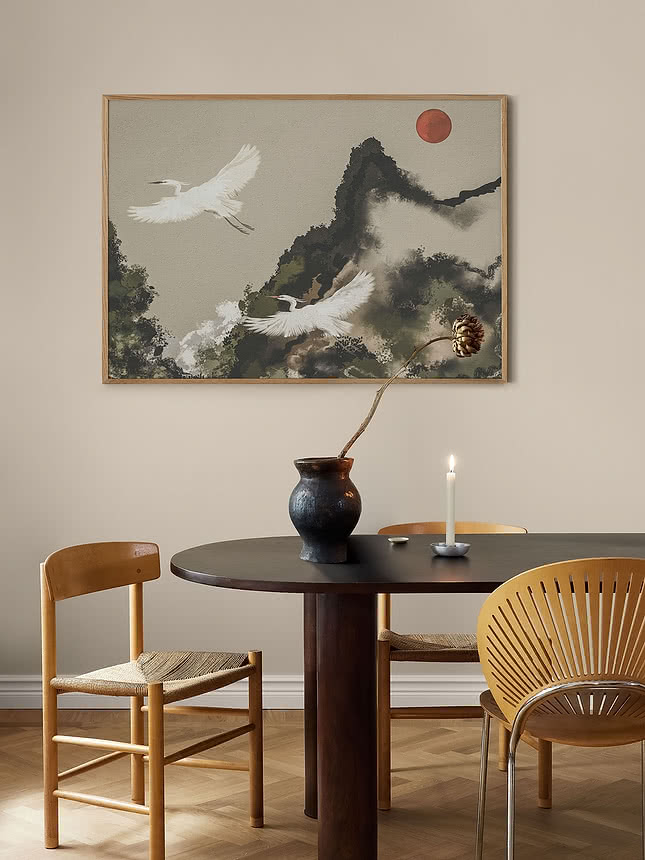
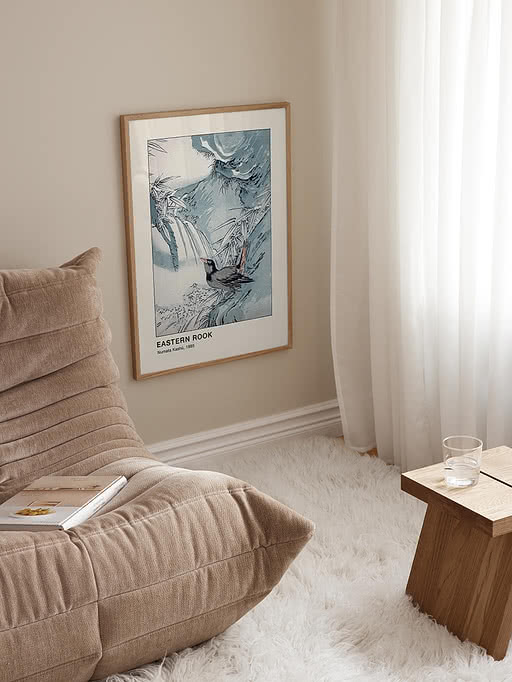
Japanese birds are the calm ones. Cranes, sparrows and peacocks from vintage Japanese art come with plenty of empty paper around them, which is exactly why they sit so well in a bedroom or beside a reading chair. You will find more of them in our guide to japandi wall art.
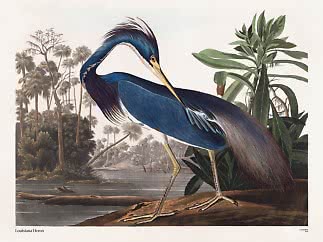
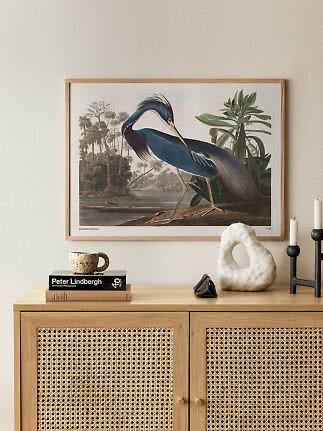
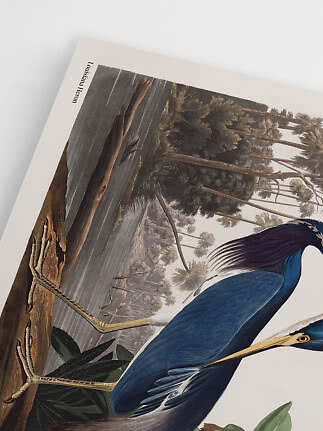
Old bird plates bring a touch of the library. A heron or a flamingo drawn feather by feather, with the paper left to do the work of sky, has the quiet authority of a natural-history book. They suit a hallway, a home office or a row of several in the same size.
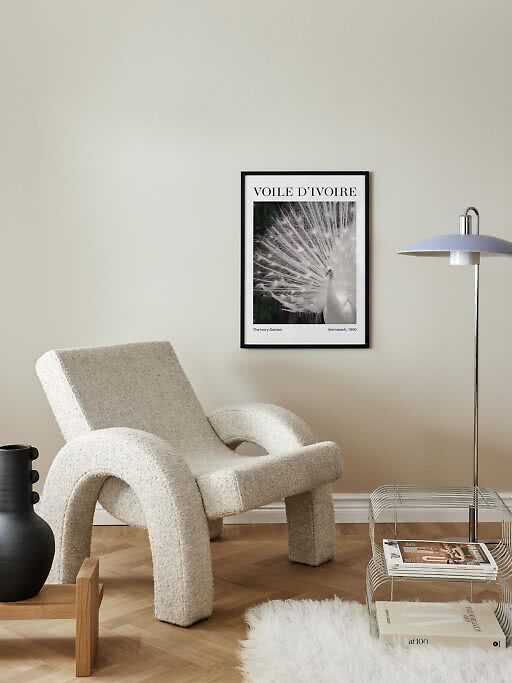
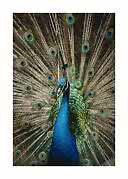
Photographs and strong colour take the lead. A white peacock with its tail fanned out, flamingos in shallow water or a peacock in full blue and green: one of these is enough for a whole wall.
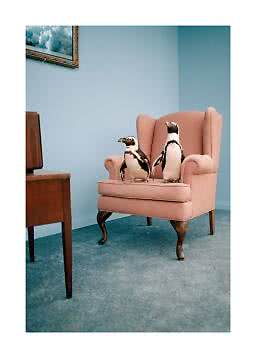
Nobody chooses a dog print or a cat print by accident. It is the animal you live with, or the one you wish you did, and that is why these motifs are allowed a little more humour than the rest of the wall.
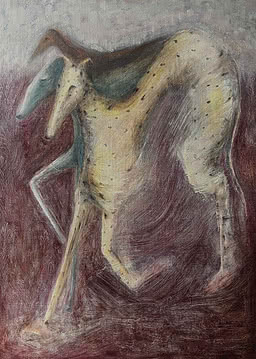
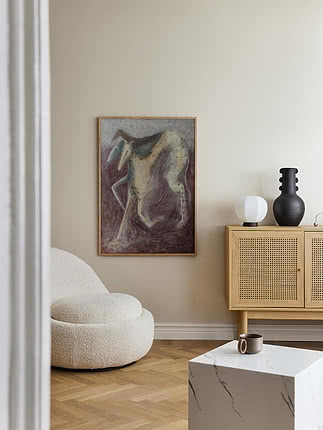
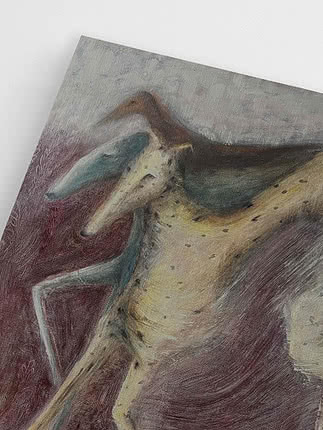
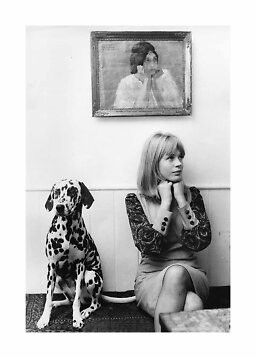
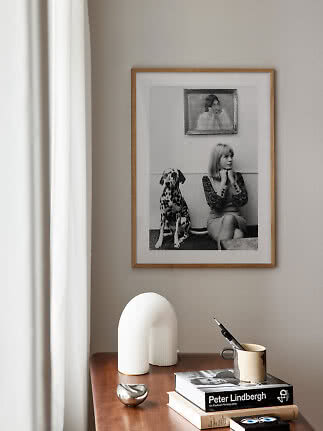
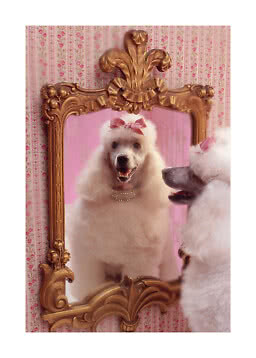
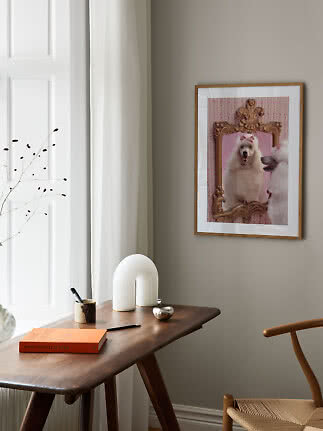
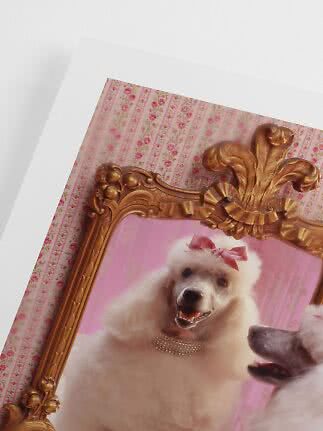
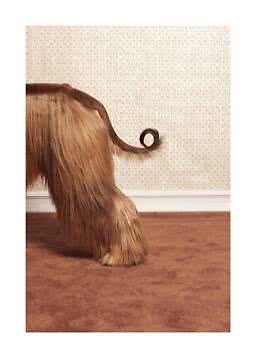
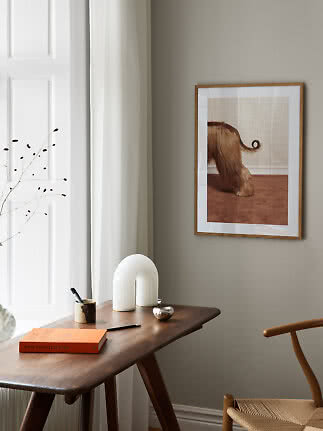
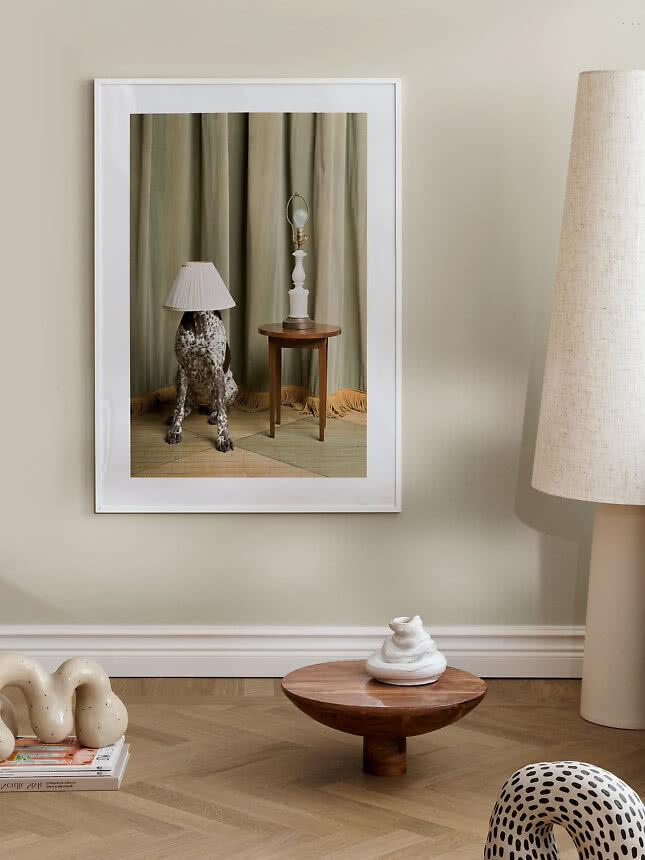
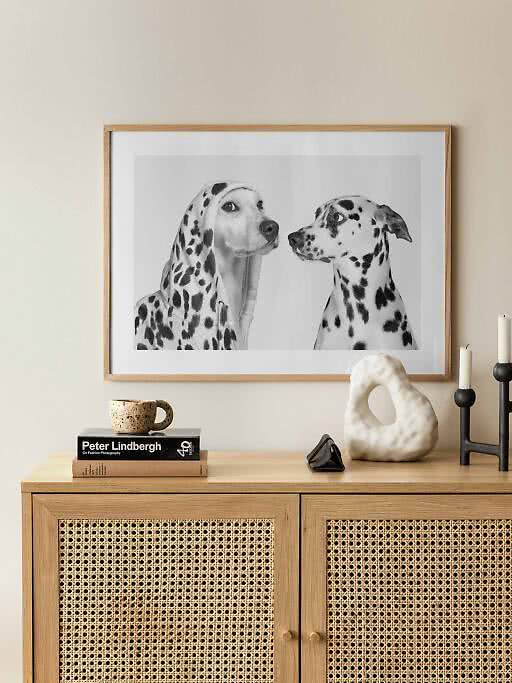
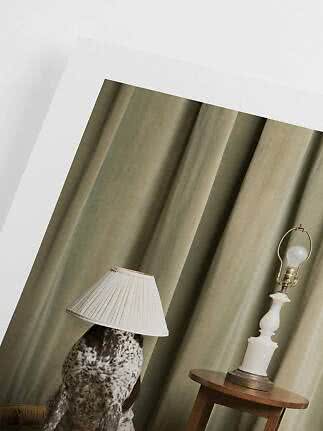
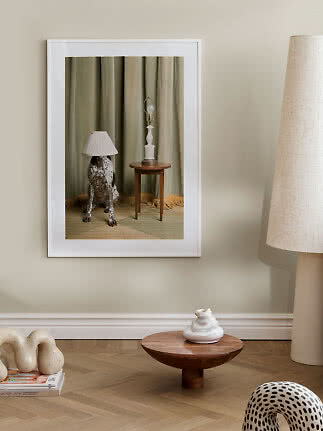
Dogs come as portraits and as characters. Our dog prints are illustrations and photographs of different breeds: Dalmatians, a French bulldog, an Afghan hound, a borzoi, a poodle at the salon. A calm studio portrait suits the living room, while a dog in a hoodie or under a lampshade belongs in the hallway, where it greets everyone who comes in.
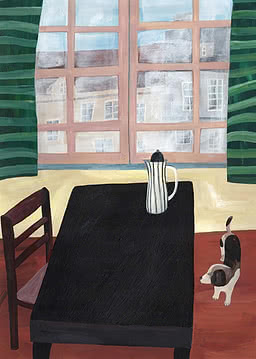
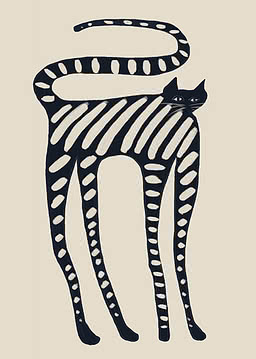
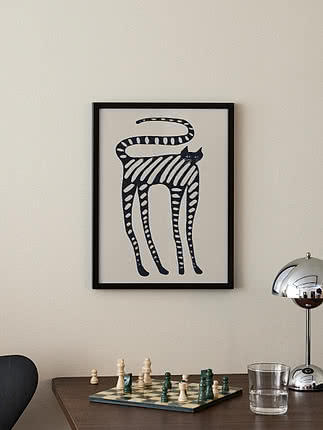
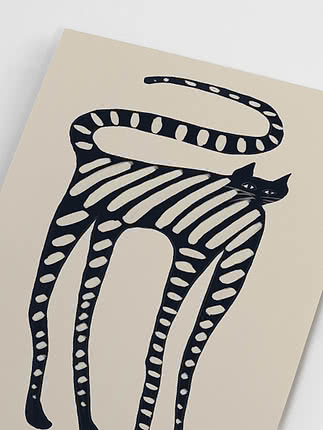
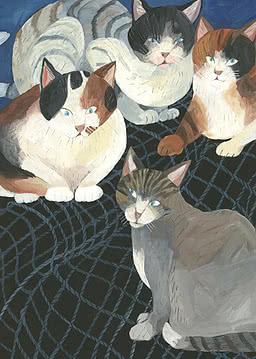
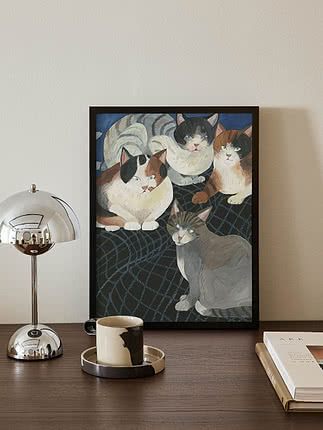
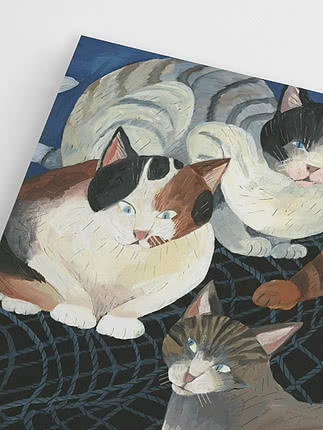
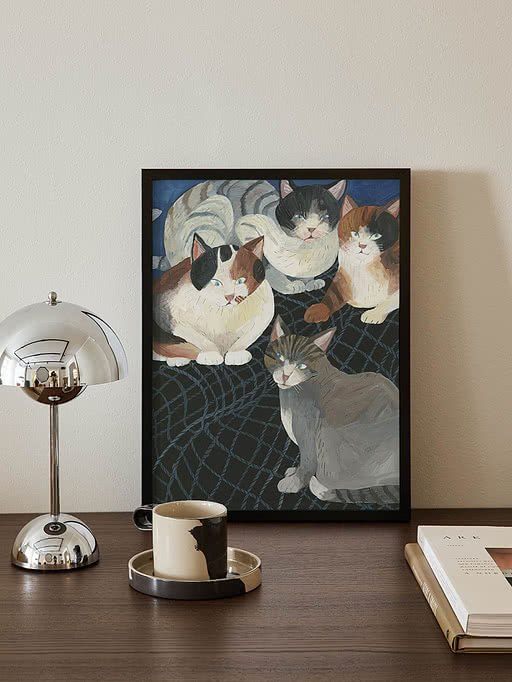
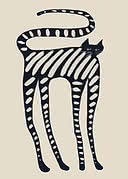
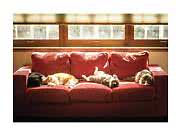
Cats are quieter, and a little stranger. Among our cat prints you will find a striped cat on impossibly long legs, five cats sharing a tartan blanket and four asleep on a red sofa in the sun. Cats suit corners: a bedroom, a reading chair, a shelf where the print can lean.
Keep the joke small. A funny motif is easier to live with at 30x40 on a sideboard than at 70x100 above the sofa. Let the large formats go to the calm portraits.
Few gifts are as easy to get right as a print of someone’s favourite animal: the breed they share a sofa with, the horse they ride, the bird at their feeder. Choose a calm portrait rather than a joke, and go for 50x70, or 30x40 if you do not know the wall. Our guide to giving art as a gift covers size, motif and the rest.
This guide is about animal wall art for the grown-up rooms of the home. Animal prints for children have a guide of their own, with sizes, hanging heights and themes for every age: kids’ room wall art.
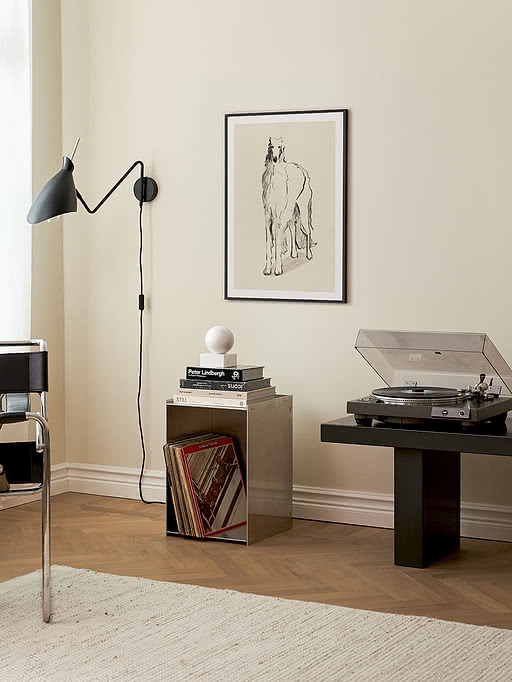
Horses bring movement and strength to a wall, and they do it in two very different ways.
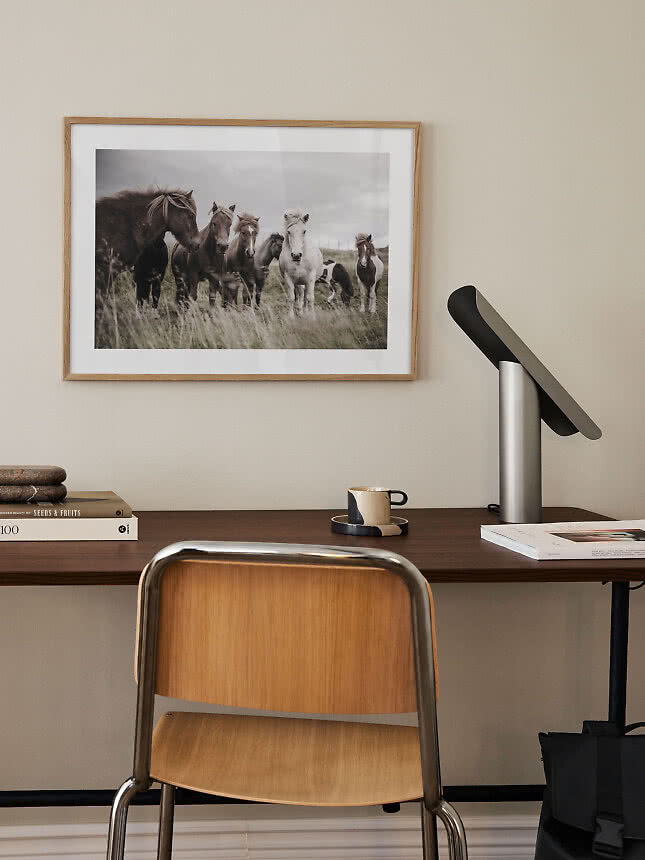
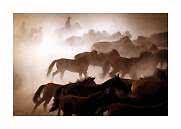
In photographs, the horse is nature. Icelandic horses in tall grass, a herd running through dust, a white horse in falling snow. The colours are earthy and calm, so they sit easily with wood, wool and linen in a living room or a hallway. See all our horse prints.
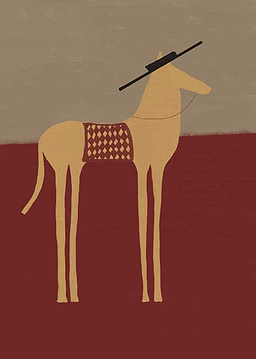
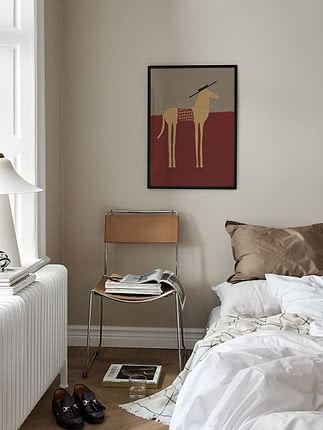
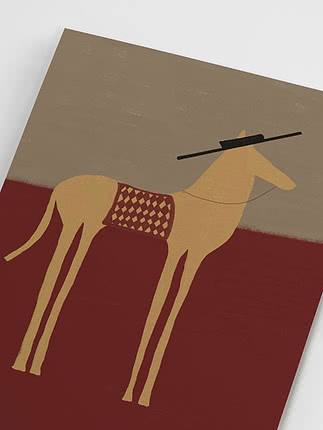
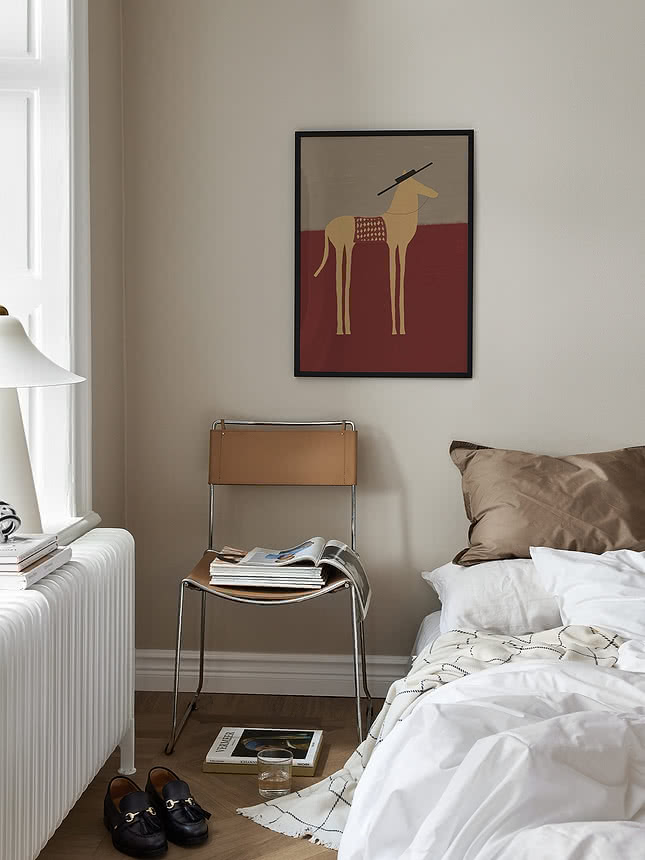
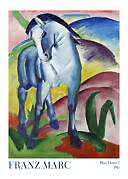
In illustration, the horse is a character. A drawing in a single blue line, Franz Marc’s blue horse or a sand-coloured horse in a wide-brimmed hat: these are lighter in tone and at home in a bedroom or a home office.
For the rider in the family. A close-up of boot, stirrup and saddle says horse without showing the whole animal, a quiet choice for the hallway where the riding boots stand.
The big animals are the big gestures. Our wild animal prints cover big cats, elephants, giraffes, bears and deer, in fine art photography as well as painted and illustrated motifs.
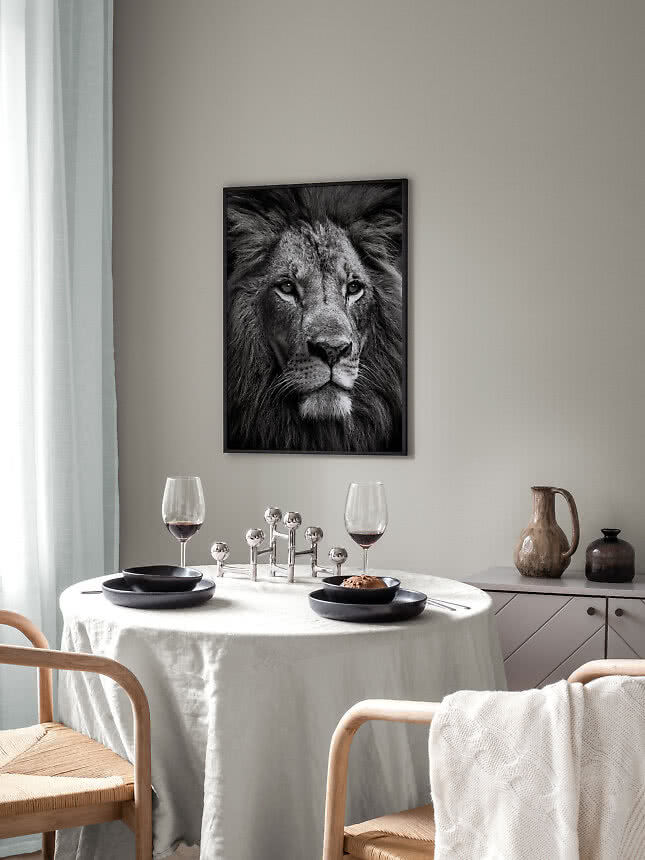
Black and white keeps it elegant. A lion’s face in close-up, a giraffe on a dusty road, an elephant reaching up into a tree: without colour, a safari motif becomes graphic and calm, and it sits naturally beside other black-and-white wall art.
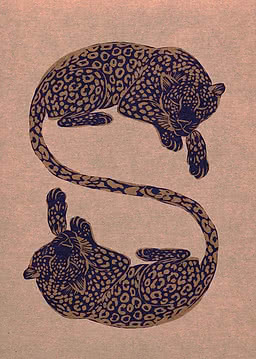
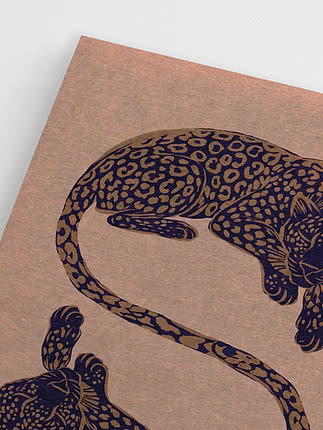
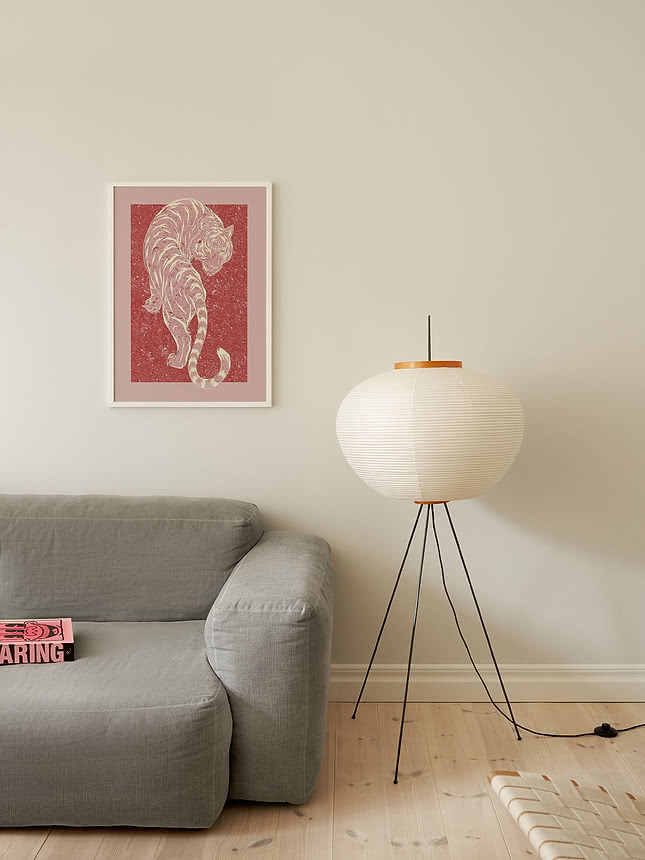
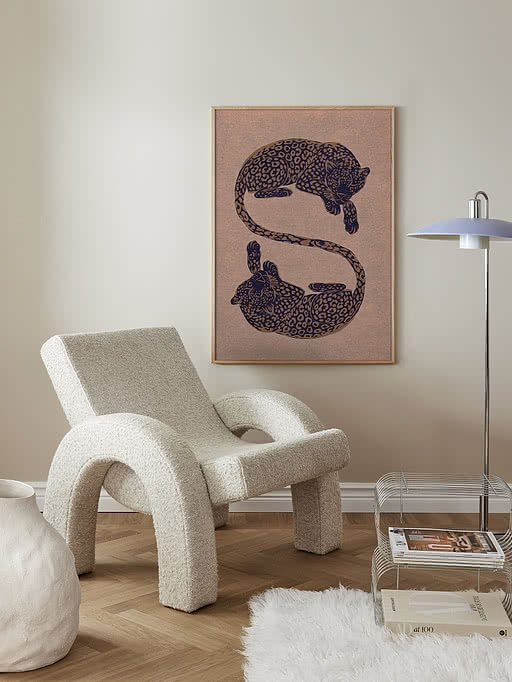
Illustrated big cats are pure decoration. Tigers and leopards drawn in line and flat colour are closer to pattern than to portrait. They warm up a sofa wall and pick up colours from cushions and rugs.
One is usually enough. A wild animal looks straight back at you. Give it a wall of its own, or let it be the largest piece in a group and keep the rest quiet.
J. J. Audubon’s flamingo, sparrows in the snow by Ohara Koson and a peacock in full display.
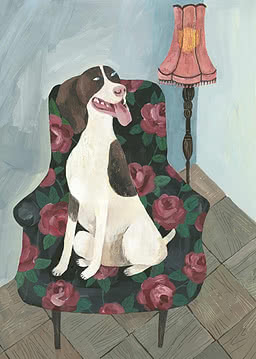
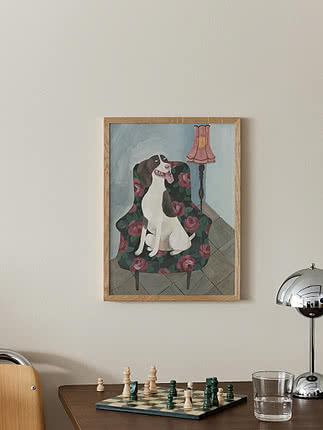
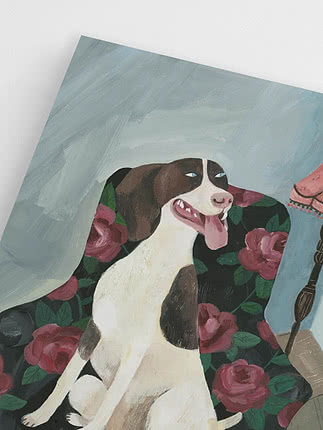
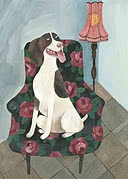
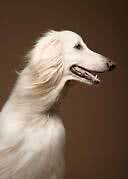
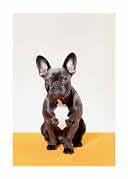
A spaniel in a rose-patterned armchair, an Afghan hound in profile and a French bulldog on yellow.
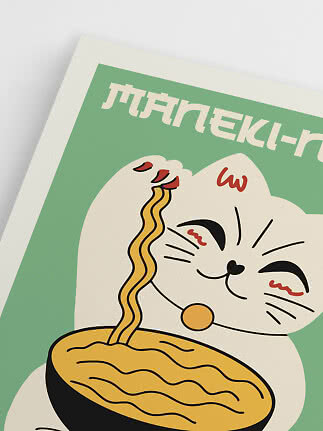
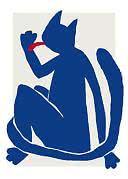
A striped cat on very long legs, four cats asleep on a red sofa and a graphic cat in deep blue.
Blue Horse I by Franz Marc, a herd in dust and warm light, and one horse drawn in a single blue line.
The same animal can be three quite different pictures. Which one you choose says more about the room than about the animal.
A photograph is the animal itself. Fur, feathers and a look in the eye, caught in one particular moment. Photographs suit clean, modern rooms, and in black and white they are easy to combine. Our guide to photography wall art goes deeper.
An illustration is someone’s idea of the animal. Fewer details, chosen colours and often a sense of humour. Illustrations and paintings are softer on the eye and bring warmth to rooms with textiles and wood.
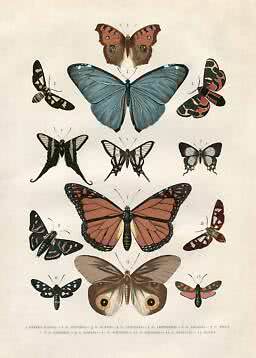
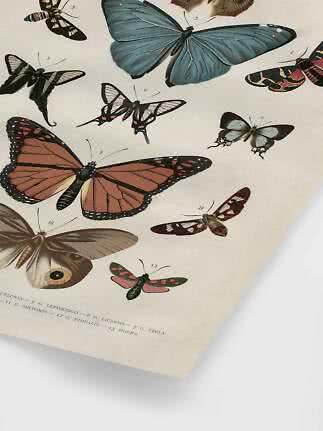
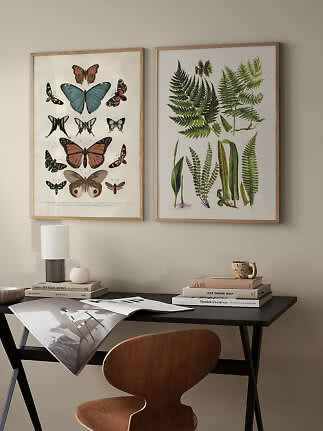
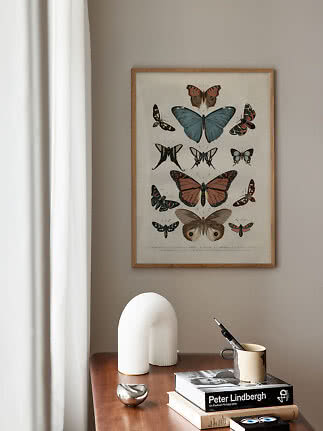
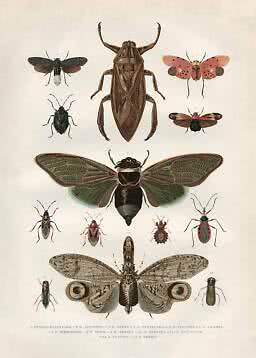
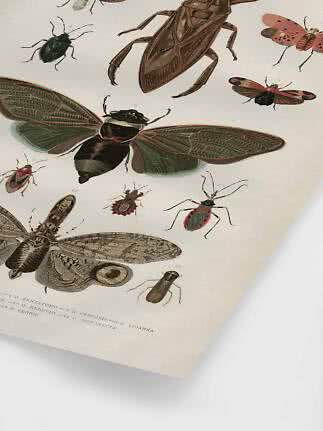
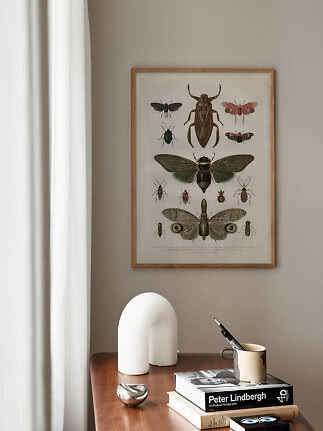
An old plate is the animal as knowledge. Our natural-history plates show every feather and every spot on plain paper, often with the name printed underneath. Today they read as calm, slightly scholarly decoration, and they belong with other vintage and retro prints.
Mixing them works when something repeats. The same size, the same style or the same kind of animal three times over, like the three big cats below.
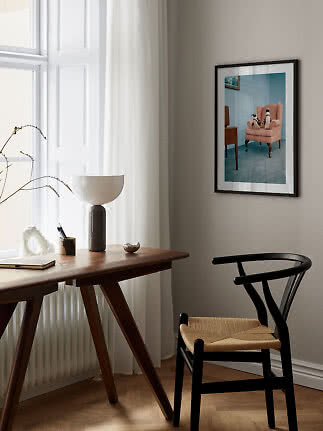
Animal wall art is at its best where people pass, sit down or wake up, so think about what the animal should do in the room.
The hallway takes the characters. A dog, a cat or a horse with personality is a good first thing to meet at home. 30x40 or 50x70 above a console or a shoe bench is enough. More ideas in our guide to hallway wall art.
The living room takes the large formats. Above a sofa, let the art cover about two-thirds of the width of the furniture: one 70x100, or two 50x70 side by side. Calm photographs and painted birds hold a large wall best.
The bedroom takes the quiet ones. Birds over water, a horse in soft colours, a sleeping cat. Choose pale tones and a motif calm enough to wake up to.
The home office takes the plates and the portraits. A row of natural-history plates or one dignified dog above the desk gives the eye somewhere to rest between meetings. 50x70 is our most popular size and usually right above a desk or a sideboard.
Not sure? The print size guide shows every size to scale and how to measure against your furniture.
More help in the complete guide to hanging wall art.
Calm motifs in a larger size: a black-and-white portrait of a lion or a leopard, a painted bird scene or a horse photograph in earthy colours. Above a sofa, choose 70x100 or a pair of 50x70, and keep the funnier motifs for smaller walls.
50x70 is our most popular size and suits most walls above a desk, a sideboard or an armchair. Above a sofa or a bed, go up to 70x100 or hang two 50x70 side by side. Save 30x40 and 21x30 for shelves and gallery walls. The print size guide has the details.
Yes, as long as something else holds them together: the same size, the same colours or the same style, for example only black-and-white photographs or only old plates. Our gallery wall ideas show layouts that always work.
Yes, especially when you know the person’s favourite animal or the breed they live with. Choose a calm portrait in 50x70, or 30x40 if you are unsure of the wall. Our guide to giving art as a gift helps with the rest.
Animal prints
New
New
New
New
New
New
New
New
New
More from the magazine
All articles →