Bonus Days · 1 d 14 h left
Up to 30% off all posters
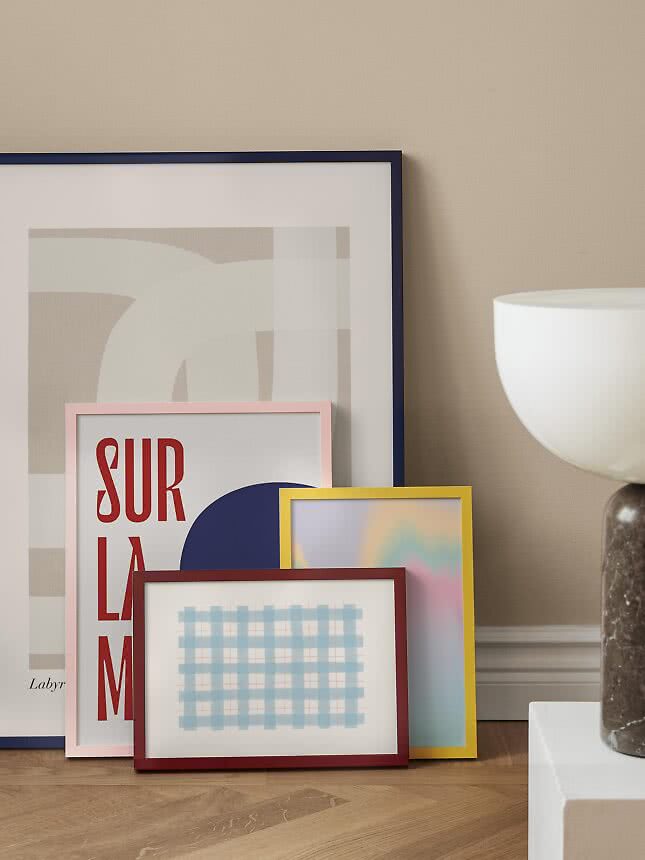
A picture ledge is a slim shelf for framed art: the frames stand on it instead of hanging from nails, so you can layer them, overlap them and swap them on a whim without a single new hole. One 70 cm ledge holds two 30x40 side by side, or a 50x70 with a 21x30 in front, and above a sofa it goes about 25 cm over the backrest. Below: how many frames fit, how high to go above a sofa, bed or sideboard, how to layer like a stylist – and motifs to rotate with the seasons.
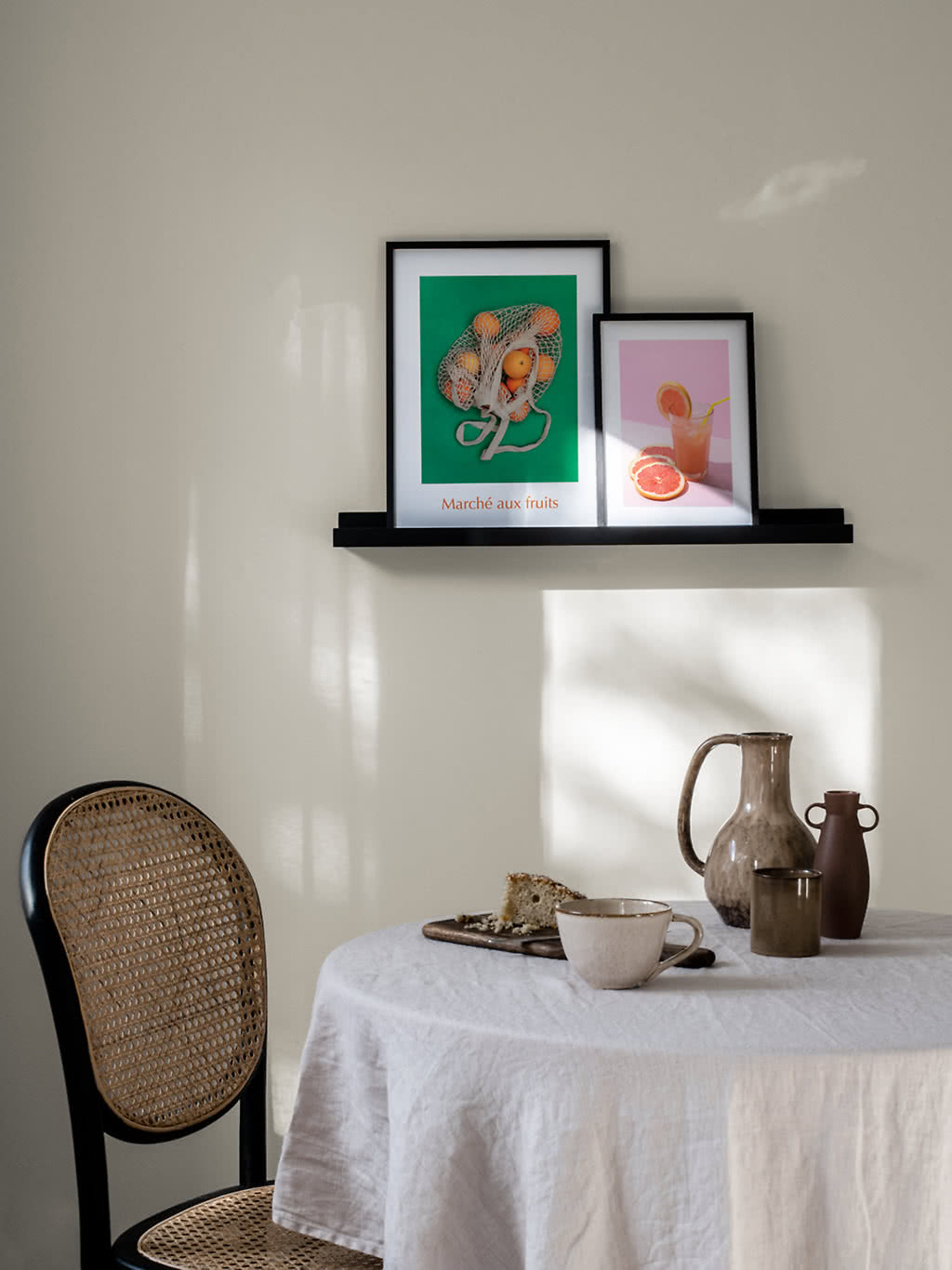
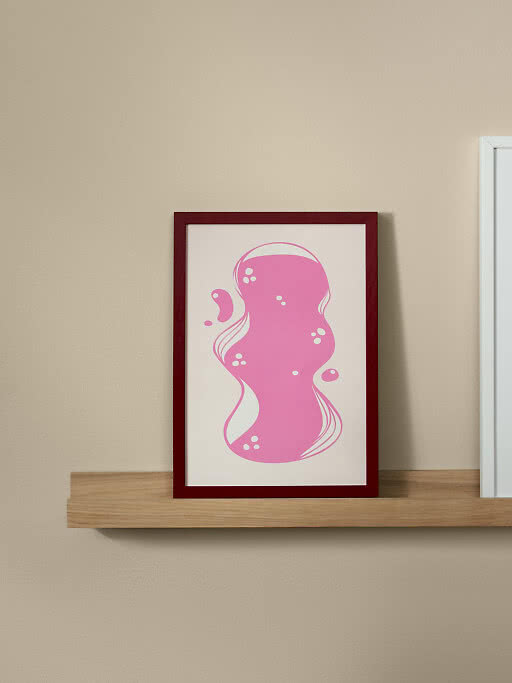
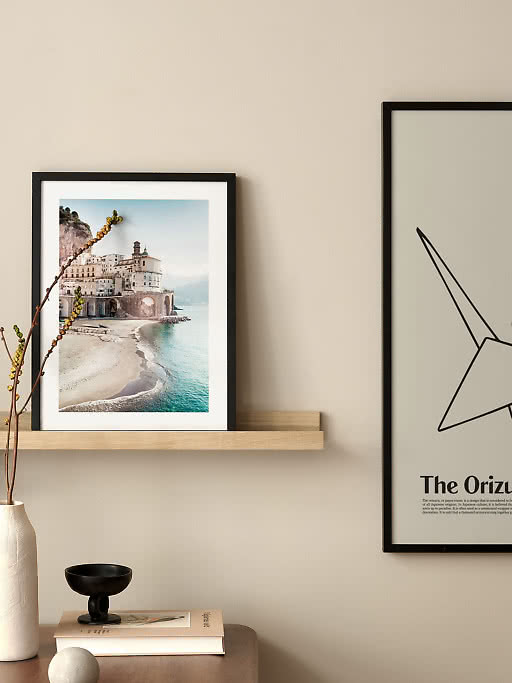
Hanging art is a small project: measure, drill, check the spirit level, hope for the best – and then do it all again for the next frame. A ledge asks for that effort once. After that, the frames simply stand there, and you can move them around as easily as books on a shelf.
That freedom is the whole point. You can try out a new print without worrying about the old hole, let frames overlap for depth, and change the line-up when the season does. It’s also kind to walls you’d rather not riddle with holes: one row of screws for the ledge instead of a nail for every frame.
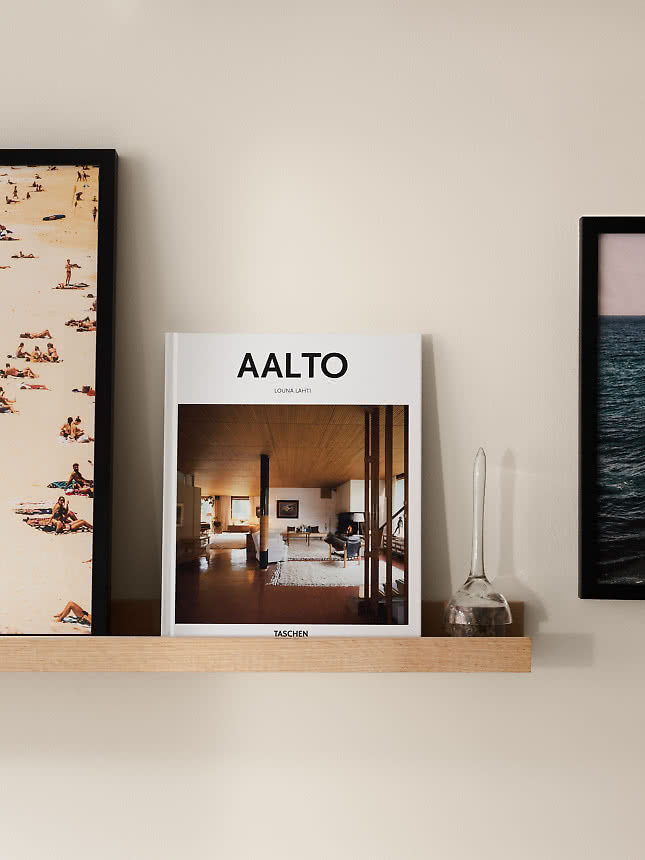
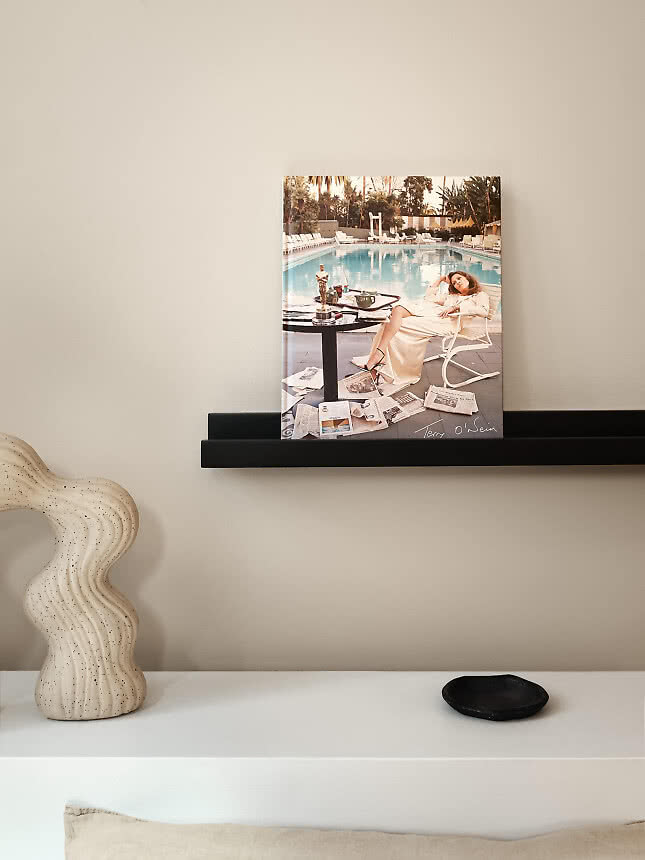
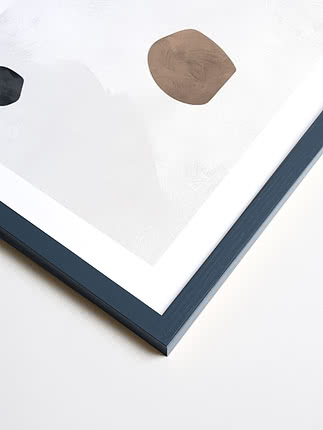
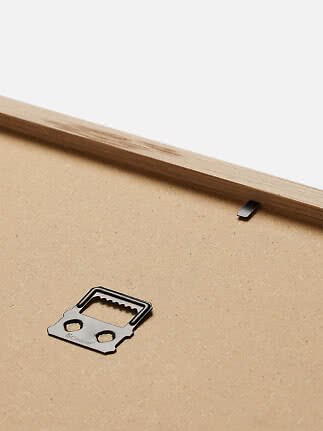
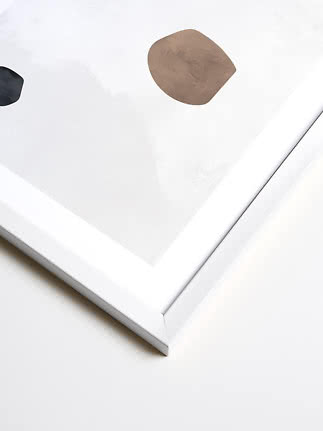
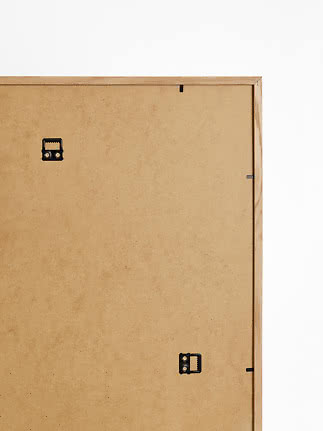
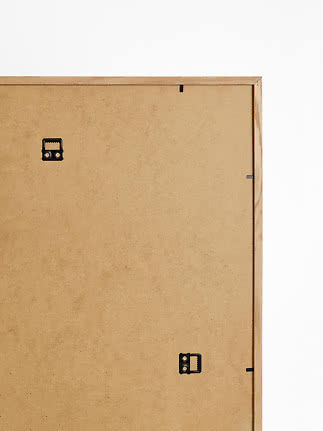
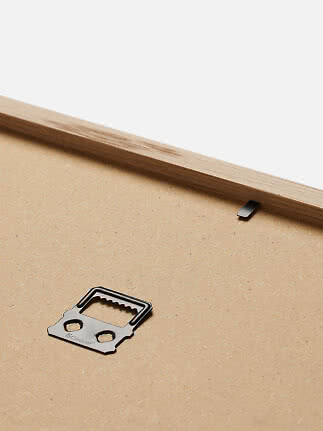
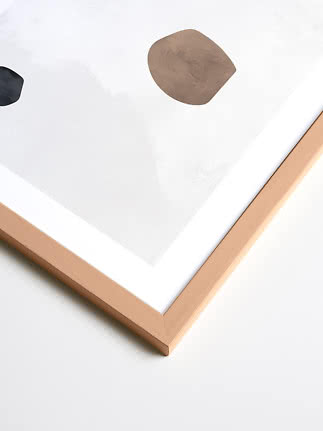
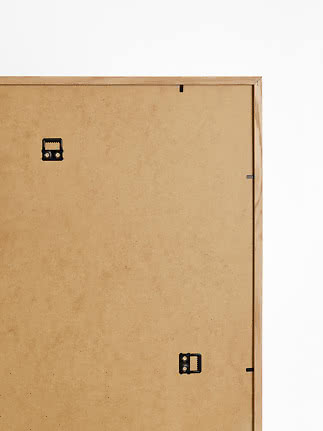
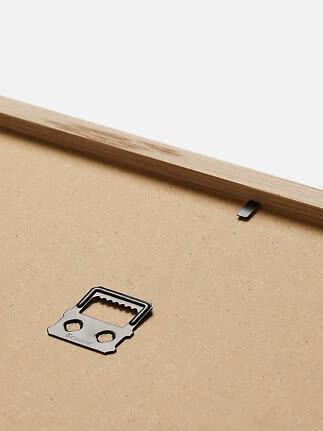
Which ledge? Match it to your frames for a calm look – oak with oak, black with black – or to the wall, so it almost disappears and the art seems to float. Our own picture ledges have a raised front edge that stops frames from sliding off. The Moebe ledge is a single piece of solid oak with a narrow groove that holds the frames instead.
In short
A 70 cm ledge looks roomier empty than it is full. Frames add up fast, and the arrangement looks best with a few centimetres of bare ledge at each end, so plan for about 60–65 cm of art per ledge.
Overlapping buys you space: a small frame standing in front of a bigger one only uses the bit of ledge the big one leaves free. Four set-ups that work, drawn to scale – the bar under the frames is the ledge:
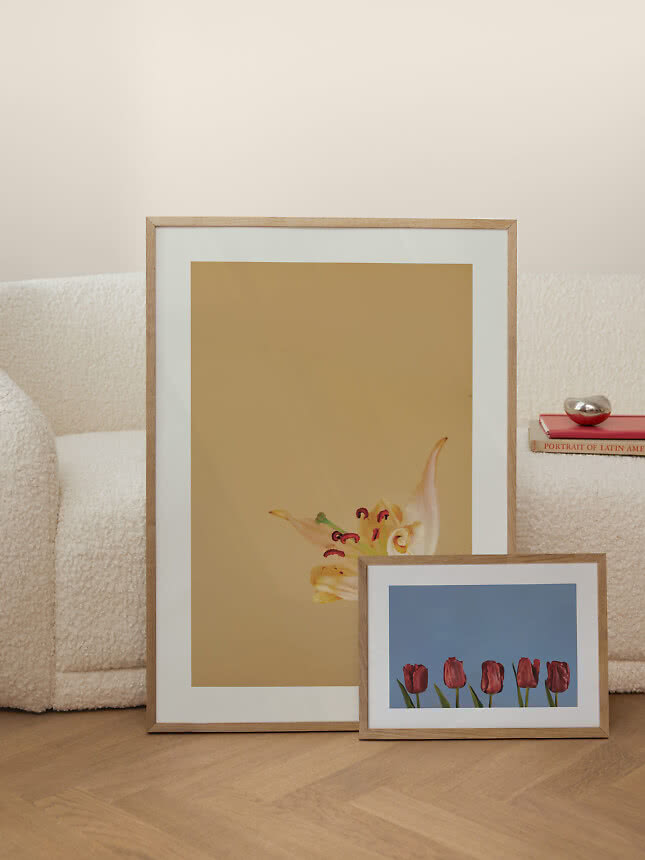
A 50x70 at the back and a 21x30 in front, overlapping by 9 cm: about 62 cm on one ledge.
Two 30x40 with 4 cm between them: 64 cm. Calm, tidy and the easiest place to start.
A 40x50 at the back with a 30x40 and a 21x30 in front: just under 60 cm, with real depth.
Two ledges in a row, 140 cm: a 50x70, a 40x50, a 30x40 and a 21x30, the small ones overlapping. Sized for a 200 cm sofa.
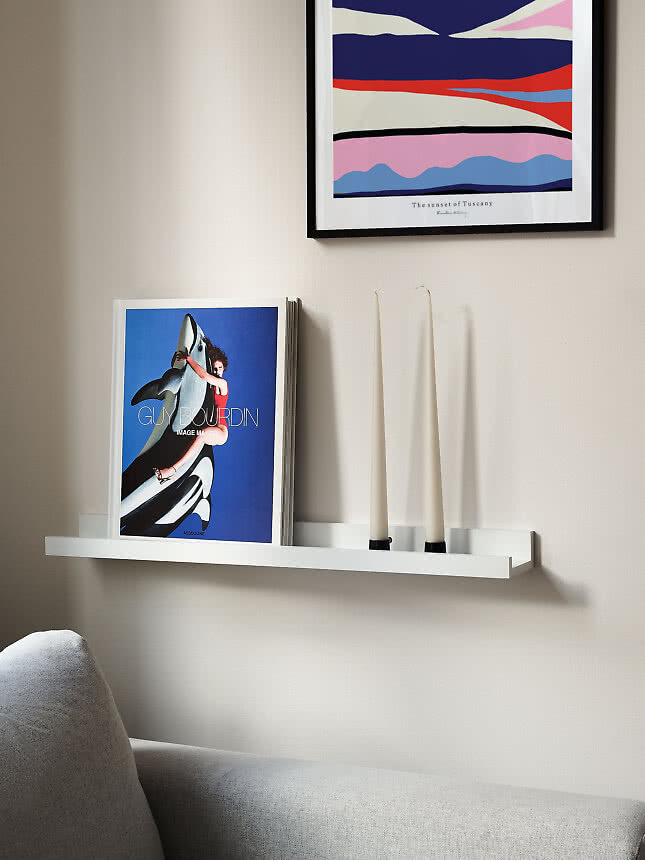
The rule for hung art applies here too: the bottom of the frames – which on a ledge means the ledge itself – goes about 25 cm above the furniture. On a standard sofa that puts the ledge roughly 110 cm from the floor, close enough to read as one with the sofa.
Width: one ledge suits a sofa or bed of about 100–190 cm. From about 190 cm, hang two in a row, so the art covers around two thirds of the furniture.
Above the bed, keep to small and medium frames and stand them well back against the wall – nobody wants a 50x70 sliding onto the pillow. The glazing in our frames is polystyrene – light and shatter-free – so even a tumble is no drama.
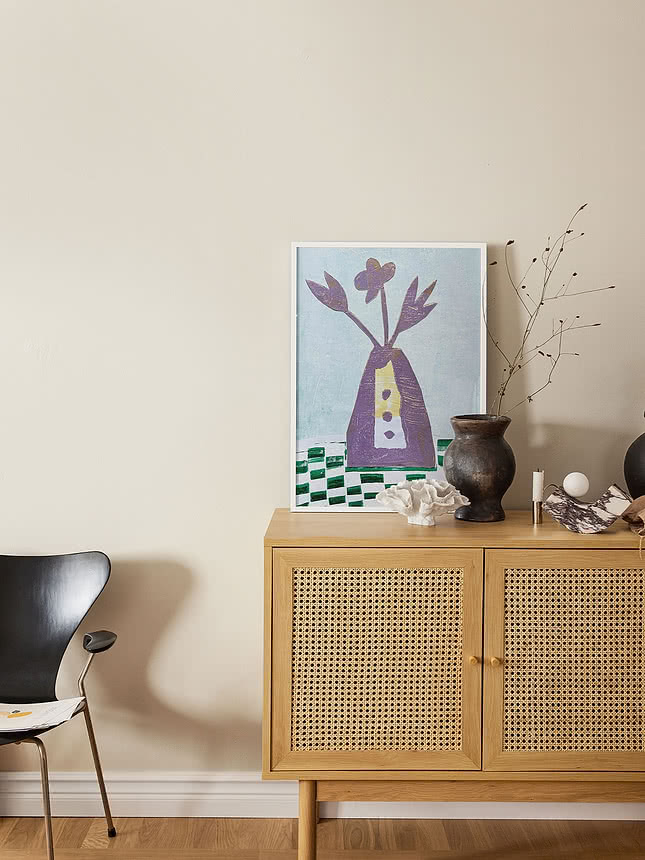
Above a sideboard, a ledge adds a second layer: lamp and vase on the sideboard, art on the ledge. On a bare wall, aim for the middle of the frames at 145–150 cm, as in our guide to hanging wall art – with a 50x70 at the back, that puts the ledge around 110 cm up.
Choose your furniture below, enter its width and open the Picture ledge tab: it shows how many ledges fit, which sizes to stand on them and how high to put them.
Size calculator
Choose the furniture, enter its width and see what fits – with the size, the gap and the height to hang it.
39.4x55.1 in · landscape
One large print that sets the tone – the wall does the talking. Covers about 70% of the sofa’s width.
Shop 39.4x55.1 postersFive gallery wall layouts →Based on our hanging guide: 8–10 in above the furniture, about 2.5 in between frames and the top edge no higher than 83 in. Standard furniture heights and an 8 ft ceiling.
Layering is what makes a ledge look styled rather than stocked. A few rules of thumb:
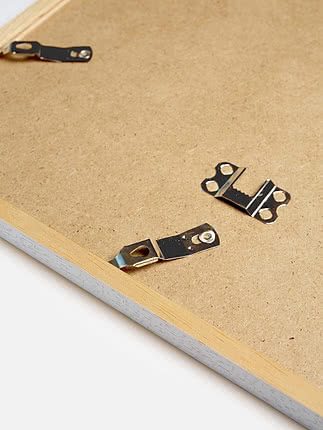
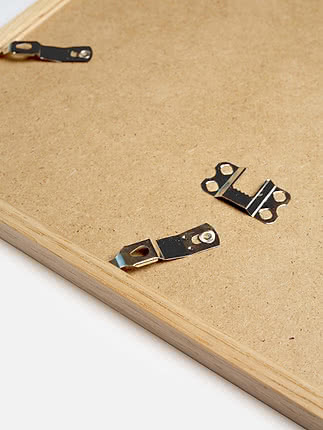
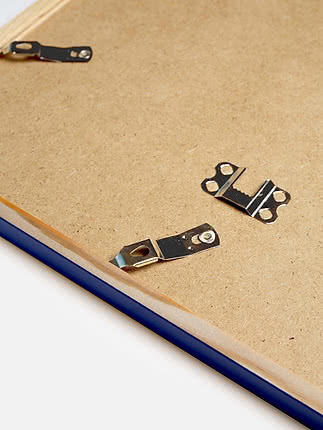
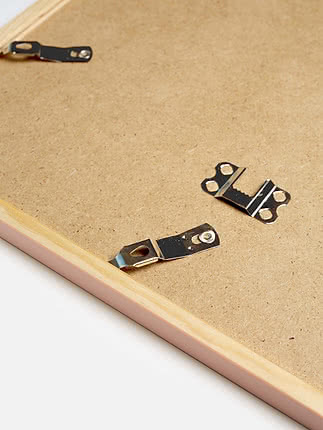
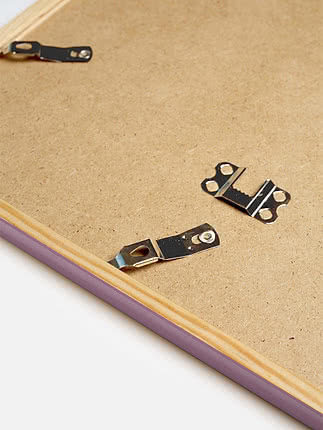
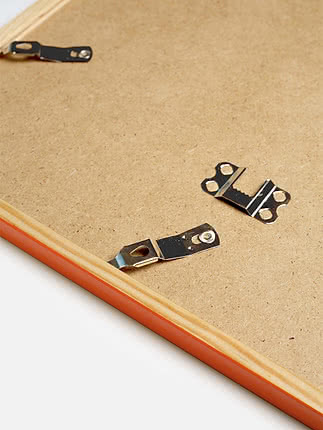
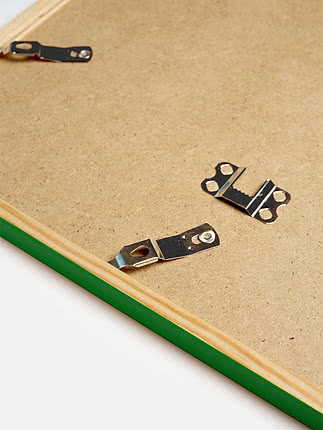
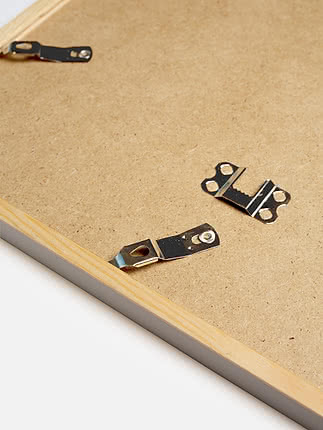
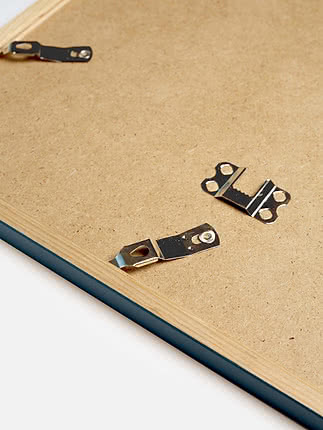
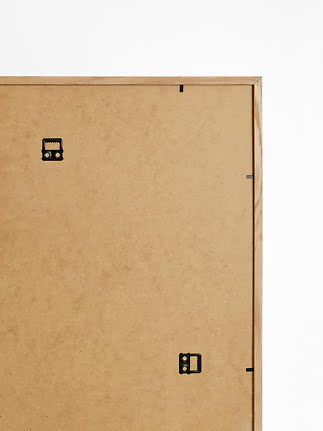
Here’s the real perk of a ledge: changing the art takes a minute, not an afternoon. Keep the frames and swap the posters inside them – our frames close with clips at the back, so you don’t need any tools. Stick to two or three sizes and every new poster fits a frame you already own. Store the resting ones flat, in a drawer or a portfolio under the bed.
Four seasons, four moods to rotate through – all of them come in 30x40, the size that fits any ledge:
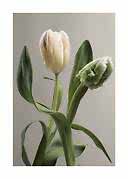
Tulips and fresh blooms for the first light evenings. Pastel or oak frames keep it airy.
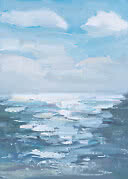
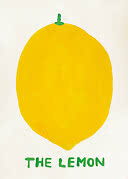
Sea, sun and a lemon or two – for the months when the windows stay open.
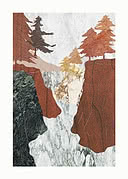
Rust, caramel and a bowl of apples as the evenings draw in. Autumn Gorge is from our Dear October collection.
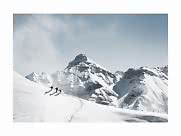
Berries, snowy peaks and a woolly hat for the darkest, cosiest weeks of the year.
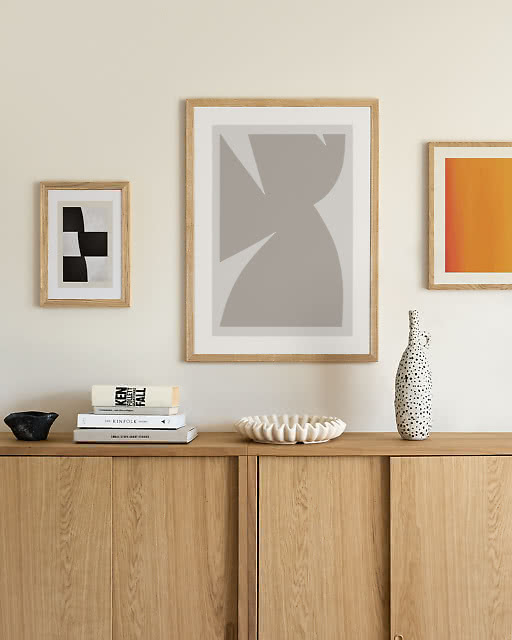
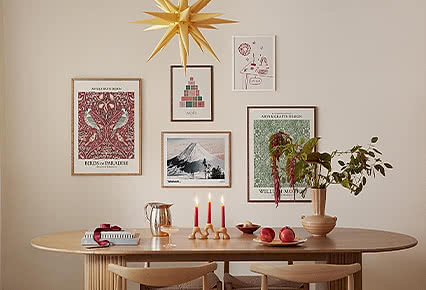
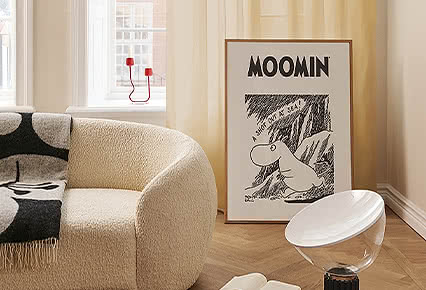
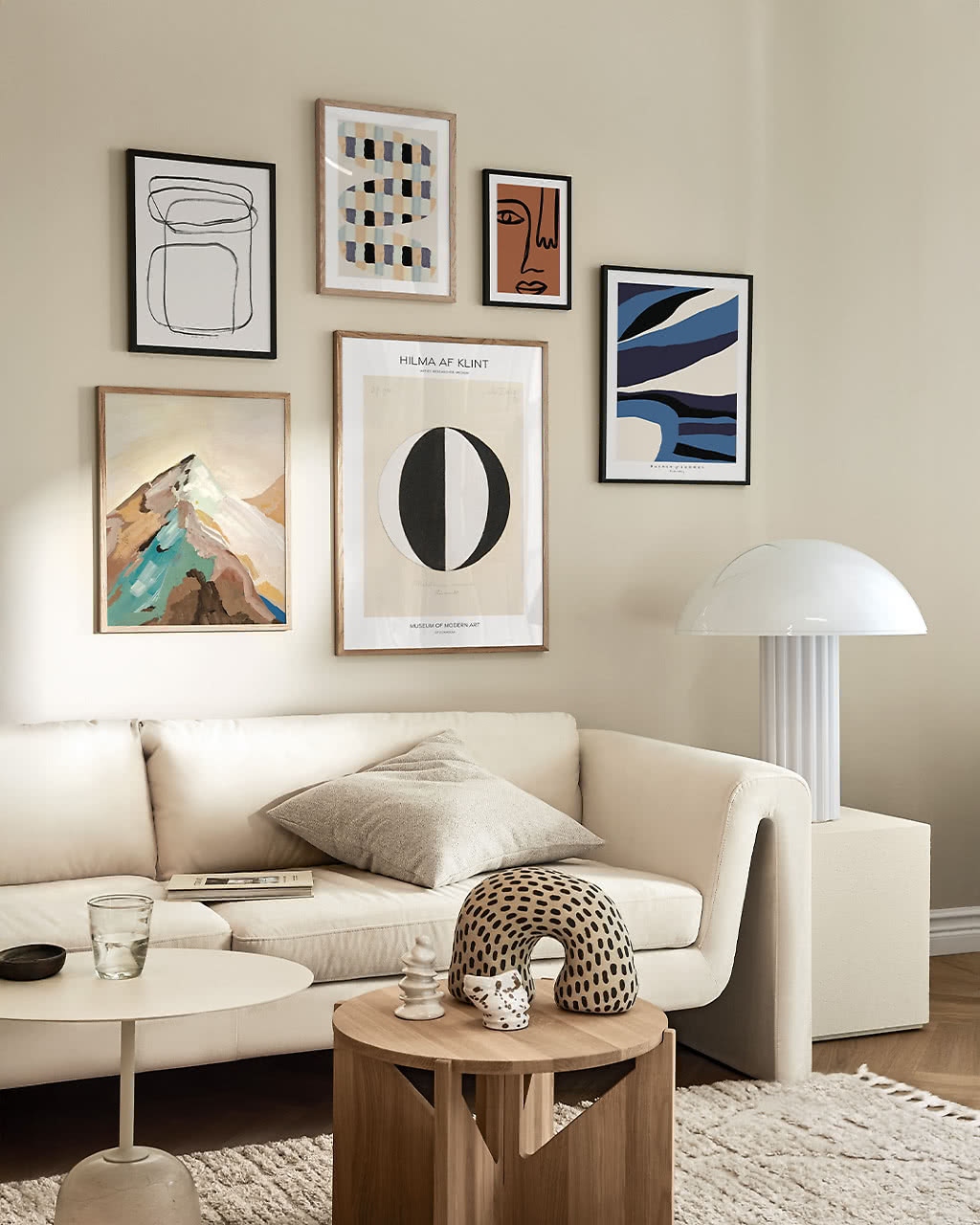
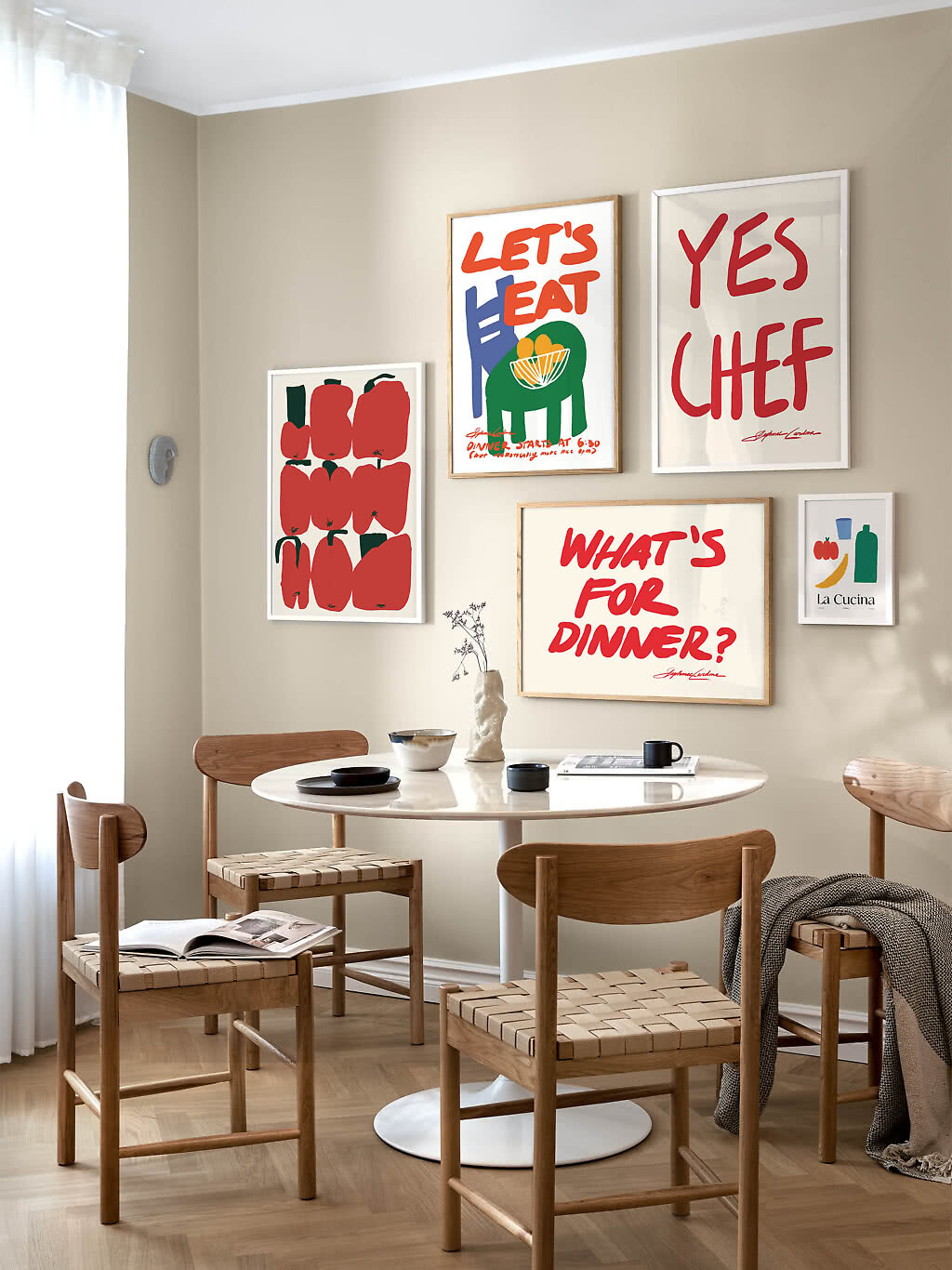
These walls from our inspiration pages are hung in the photos, but their sizes add up neatly to ledges – and one click takes you to every print in the right size.
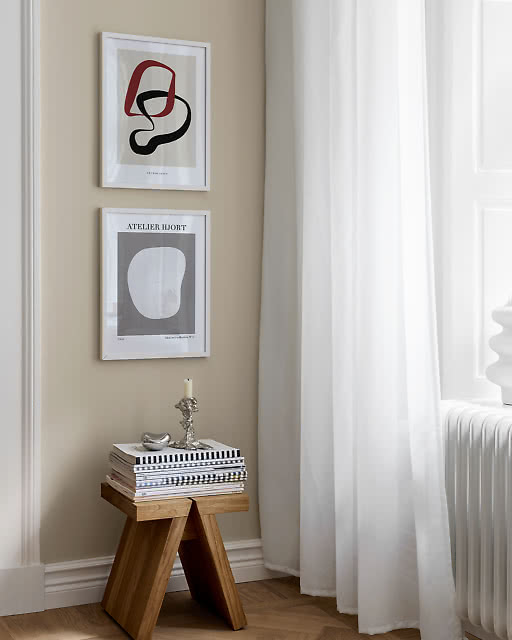
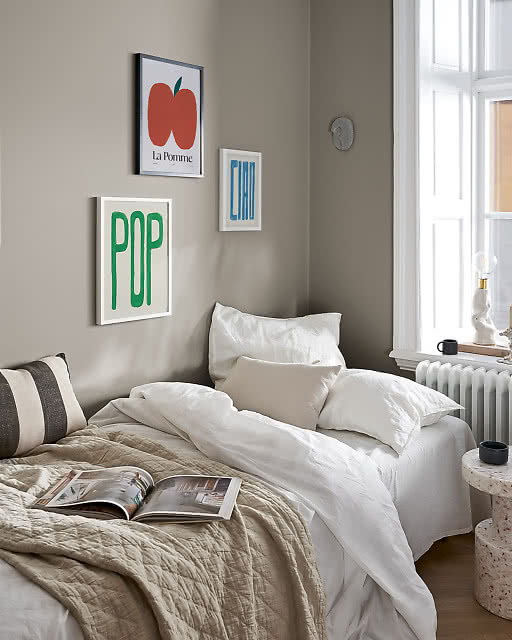
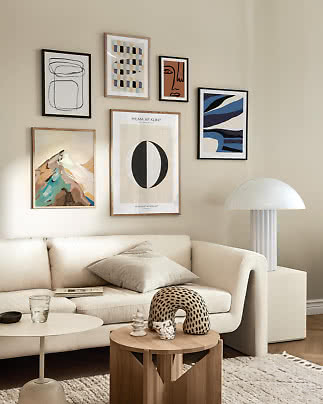
Shapes in Balance: a 30x40, a 50x70 and a 40x50, about 120 cm side by side – two ledges in a row above a sideboard, with a few centimetres between the frames. Soft Minimalism: two 30x40, 60 cm in all, a perfect single ledge. Atelier Pop: two 30x40 and a 21x30 above a bed – stand the small one in front of the other two and it all fits on one ledge.
About 25 cm above the top of the backrest, which on a standard sofa puts the ledge roughly 110 cm from the floor. On a bare wall, aim for the middle of the frames at 145–150 cm instead.
On a 70 cm ledge: two 30x40 side by side, three smaller frames with a little overlap, or a 50x70 with a 21x30 in front. For more, hang two ledges in a row (140 cm) and mix four frames in different sizes.
21x30, 30x40 and 40x50 are the easiest to mix, with one 50x70 at the back as an anchor. Anything wider than the ledge, like a framed 70x100, is better leaned on the floor or a sideboard.
Choose a ledge with a raised front edge or a groove, stand the frames close to upright and keep the bigger, heavier ones at the back. A little removable adhesive putty behind the top corners gives extra hold.
Usually, yes: a ledge needs one row of screws instead of a hole for every frame, and from then on the art can change as often as you like. Check what your tenancy allows first, or lean frames on furniture if you can’t drill at all.
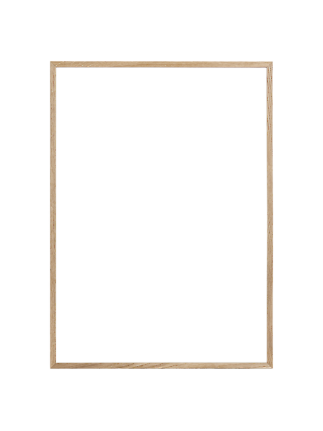
Frames for your ledge
More from the magazine
All articles →


 (1).png)