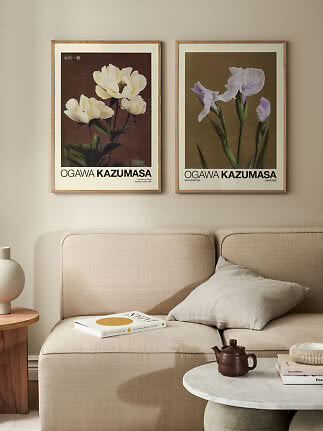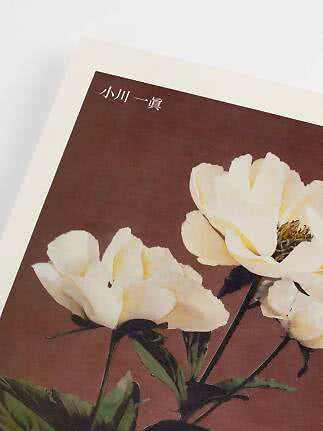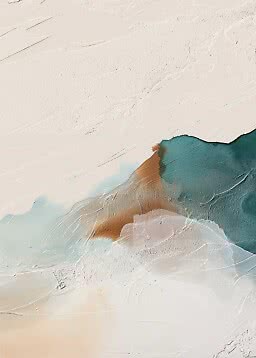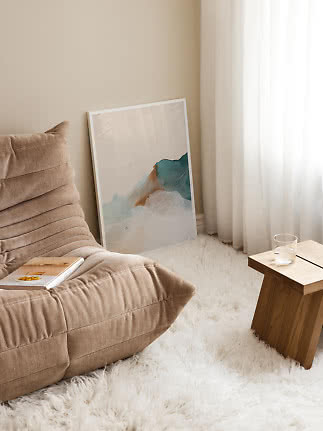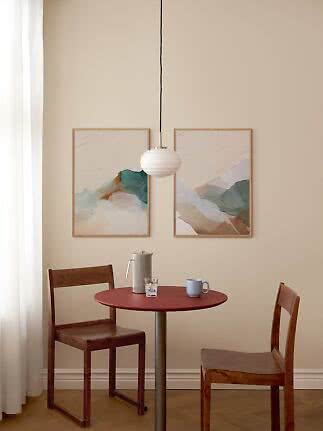
 (1).png)
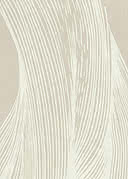
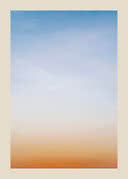

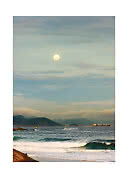
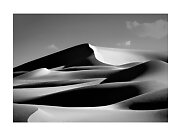

Retreat 01
Postery
$24.99$36.99
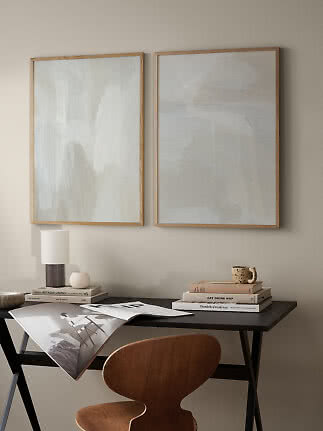
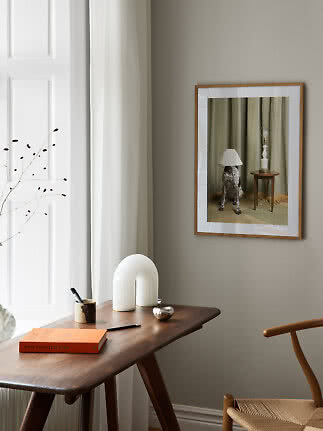
You probably look at the wall above your desk more than at any other wall at home – between emails, during calls, while a file takes its time to load. So give it something worth looking at. Here’s how big and how high to hang art above a desk, what reads well behind you on camera, which motifs help you focus – and a couple that make the working day a little funnier.
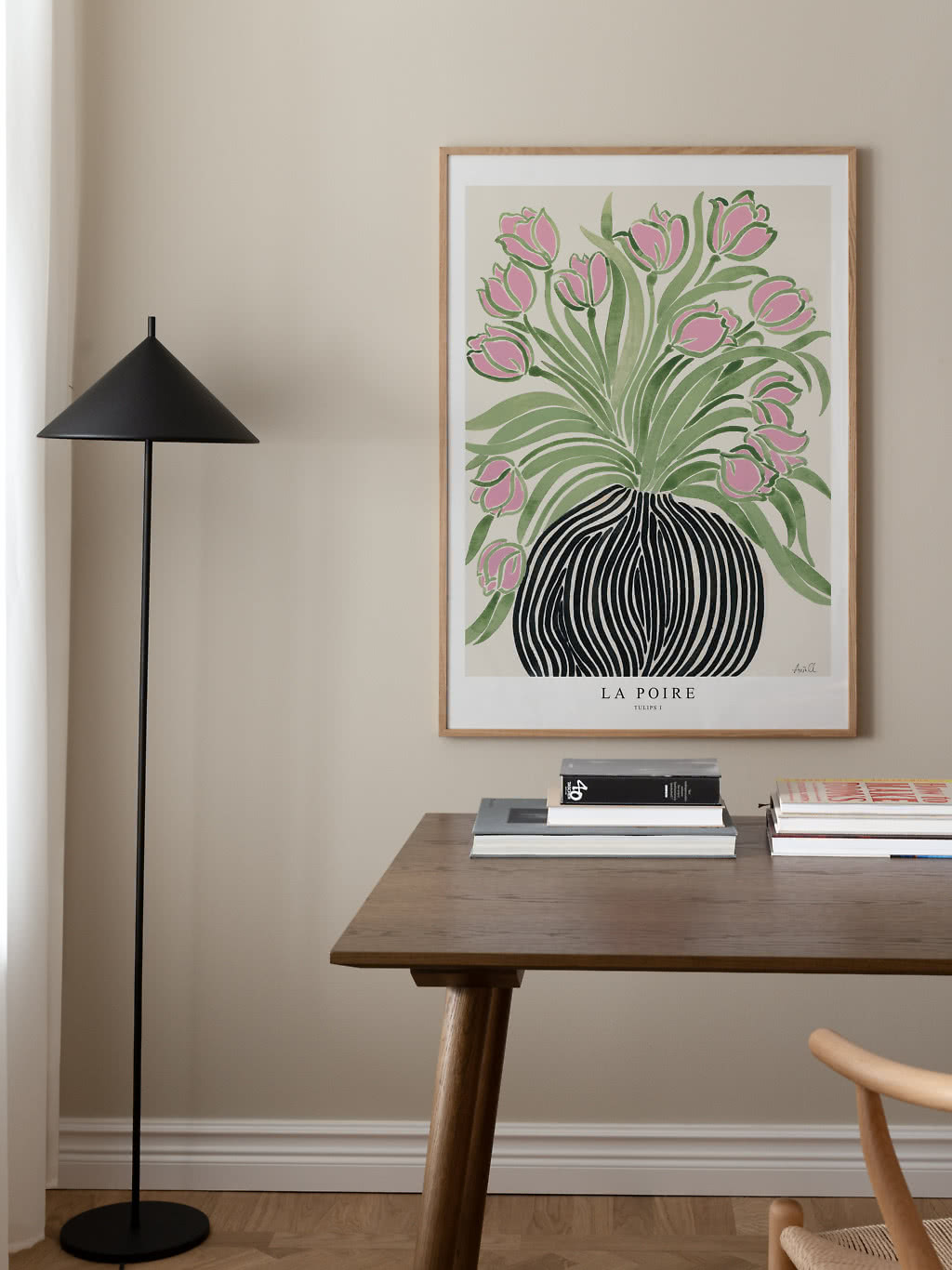
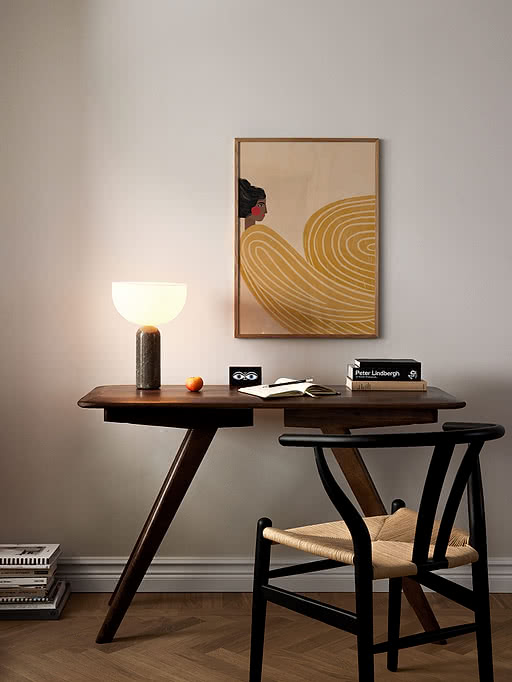
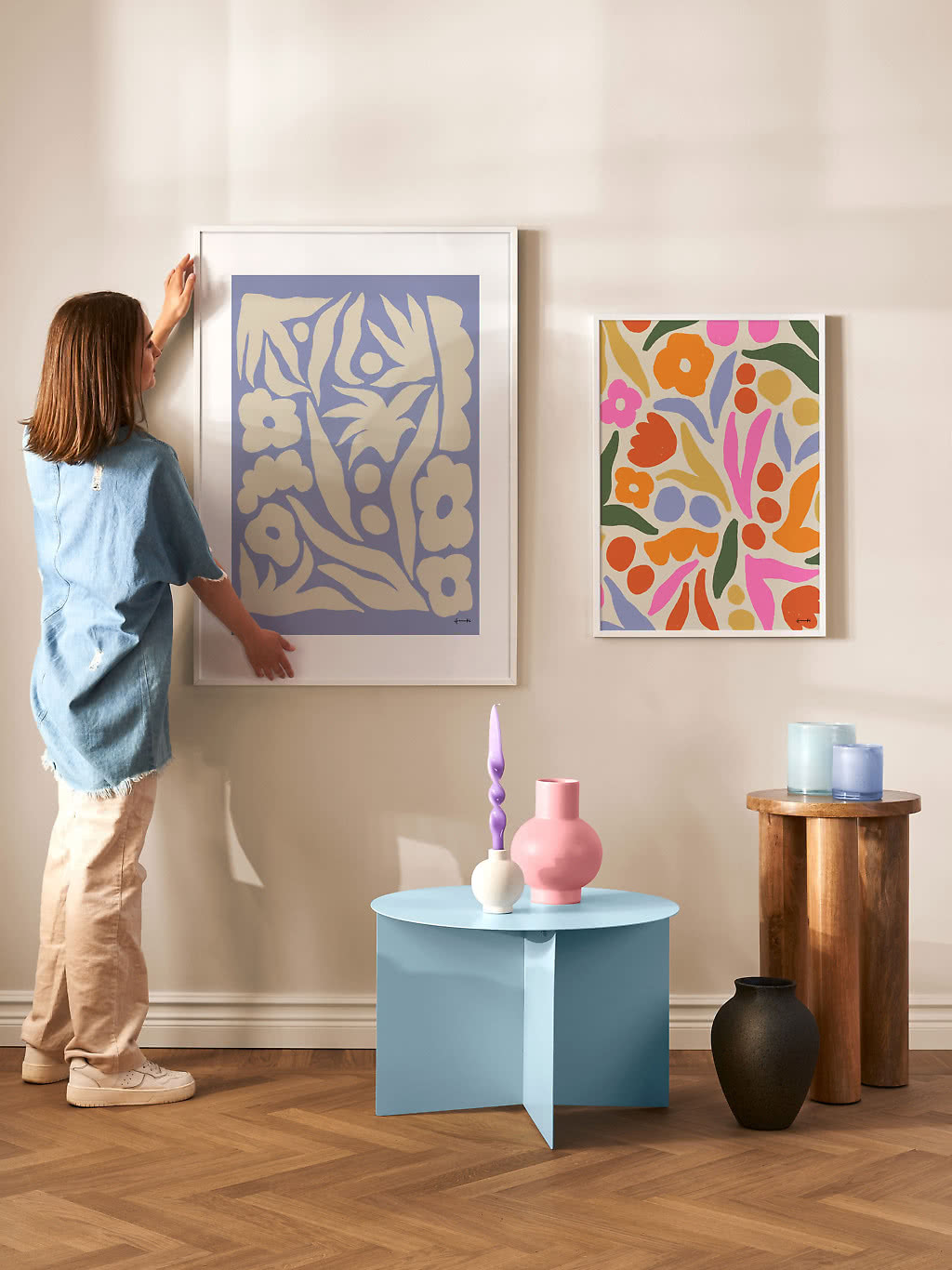
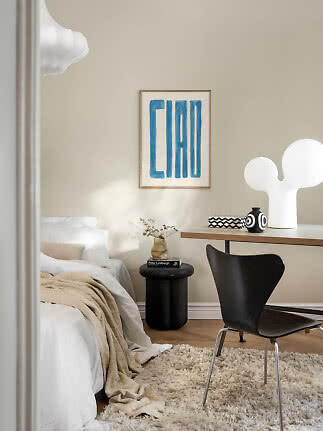
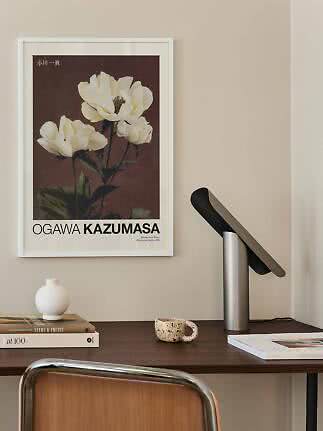
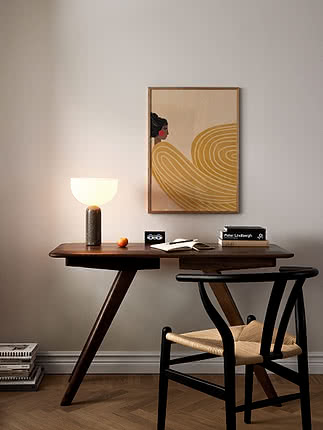
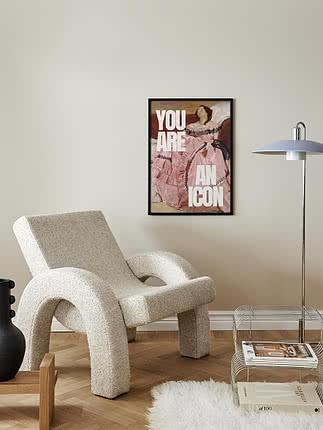
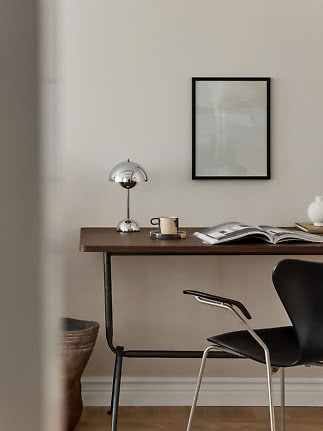
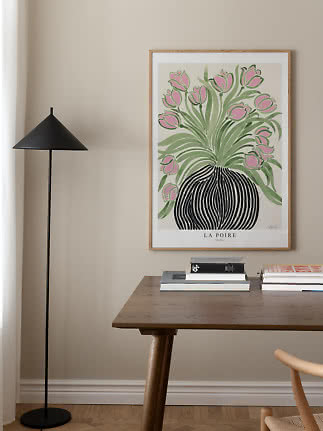
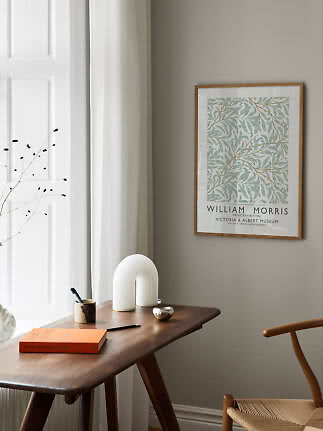
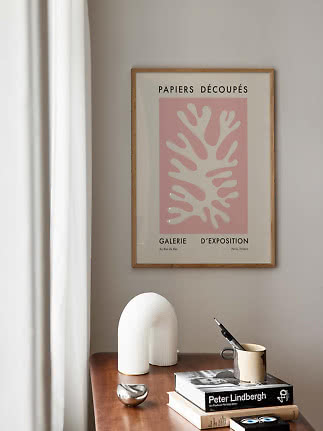
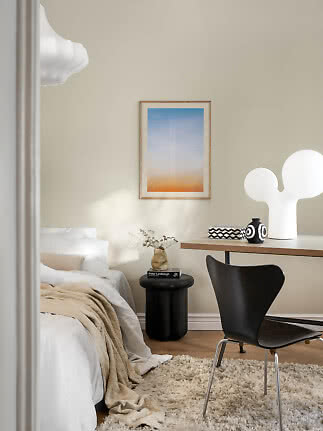
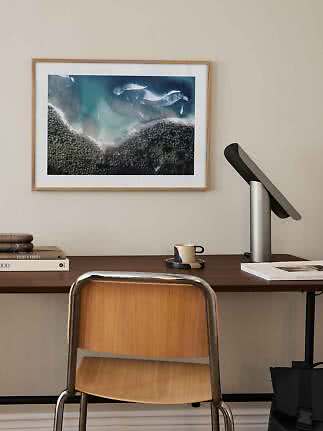
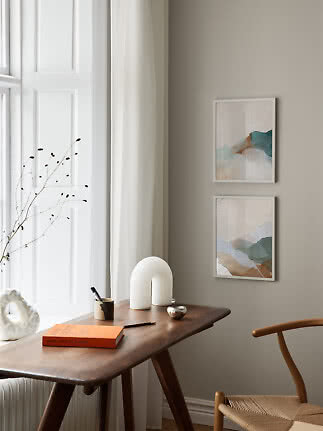
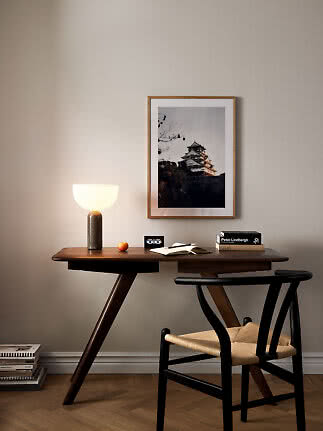
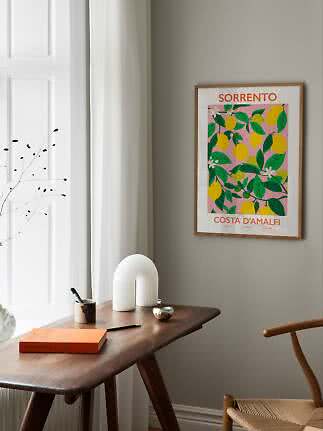
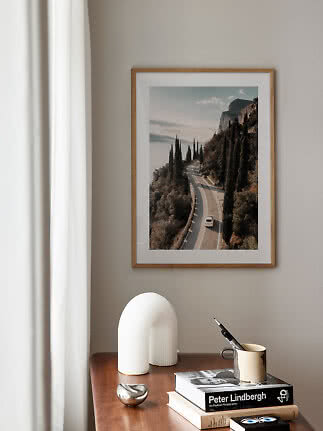
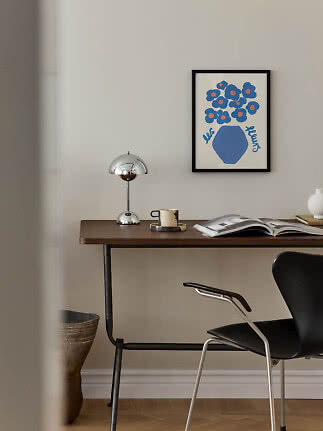
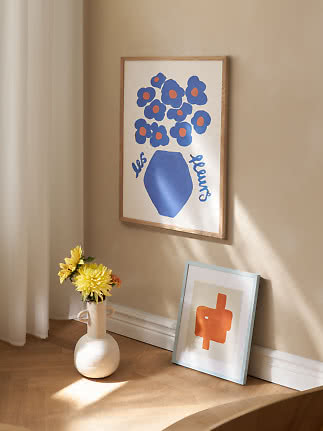
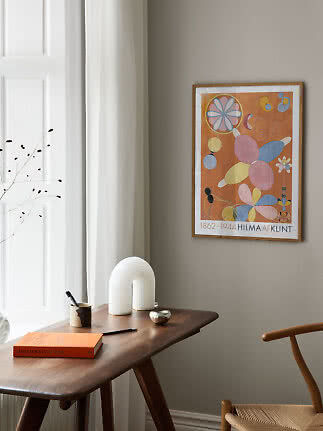
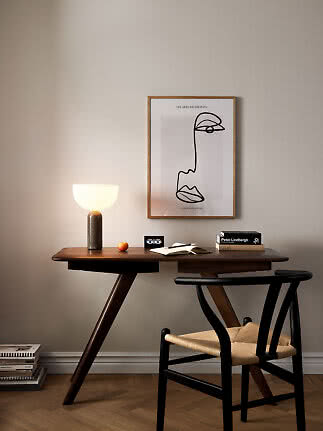
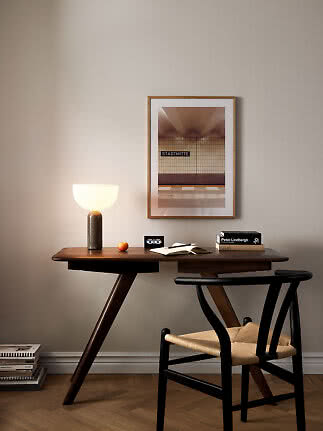
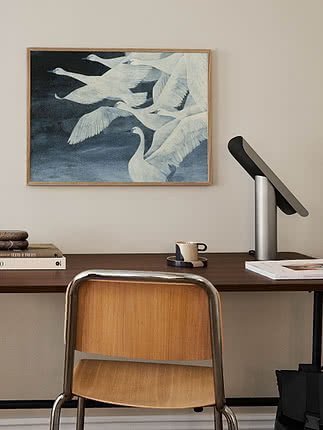
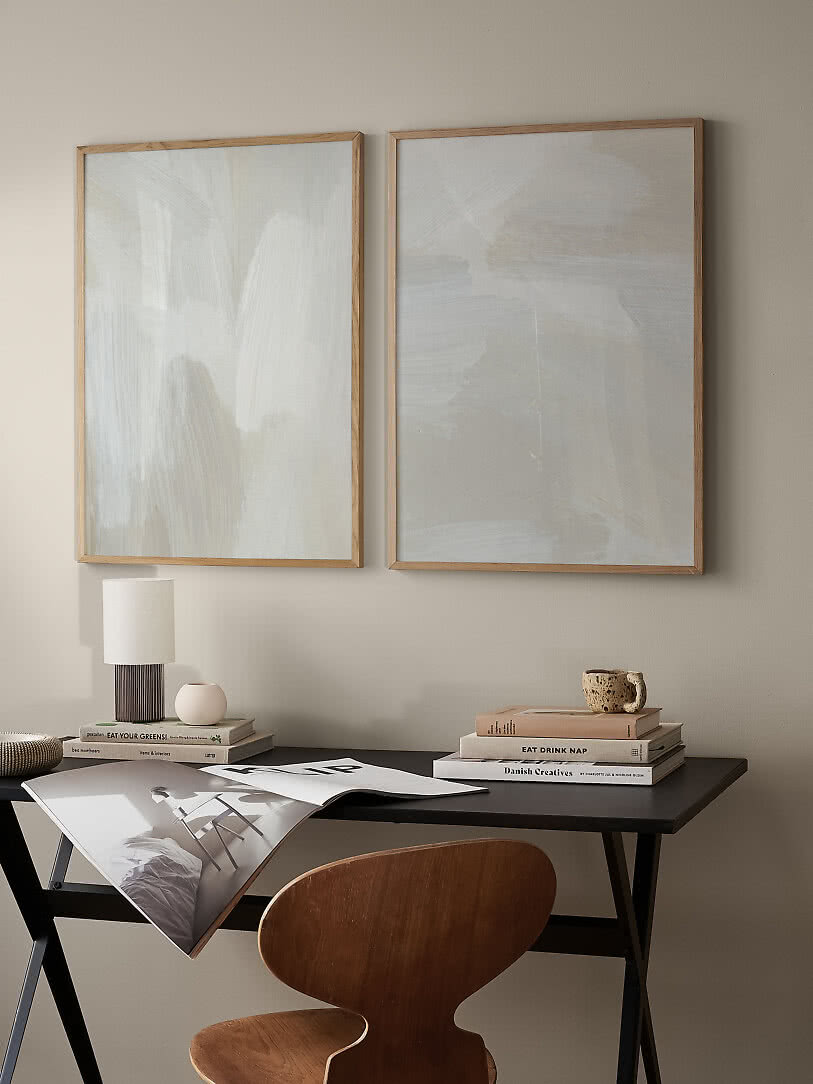
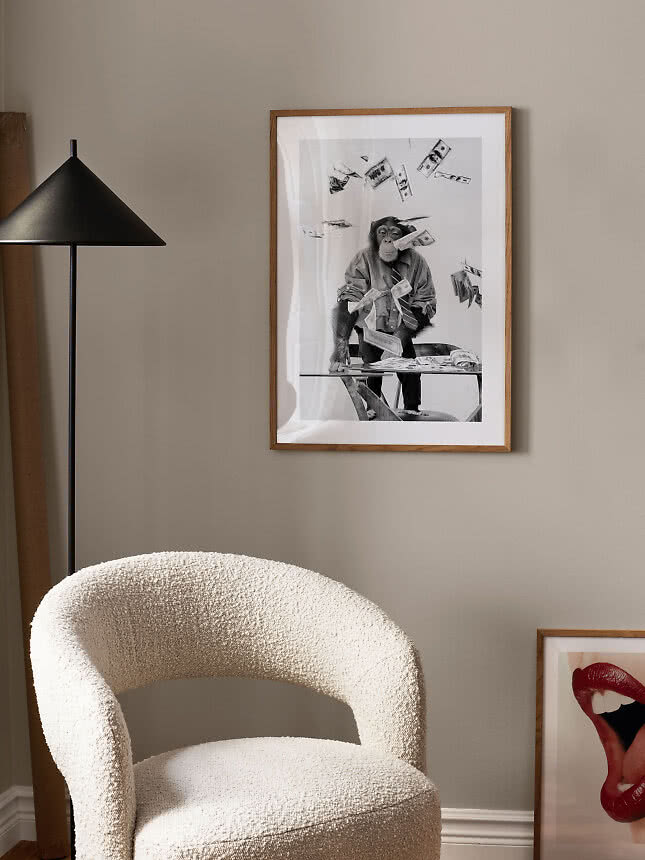
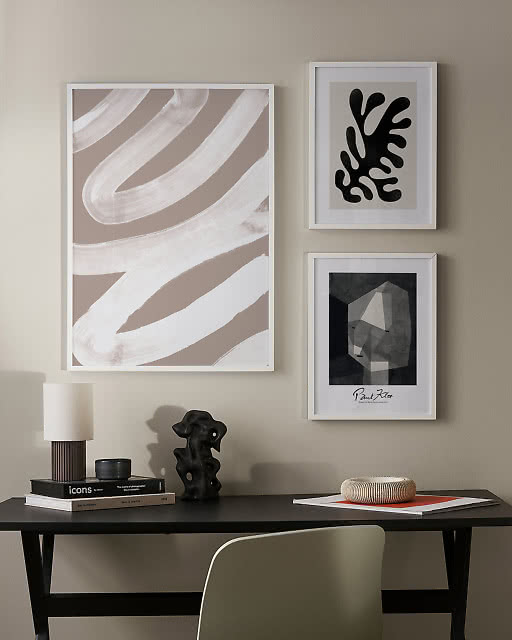
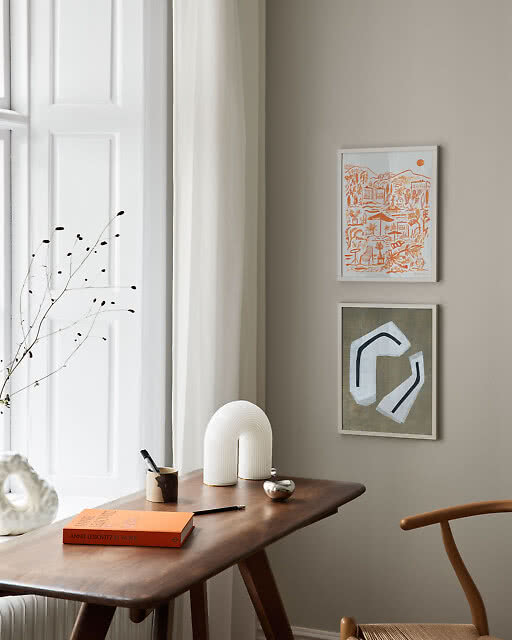
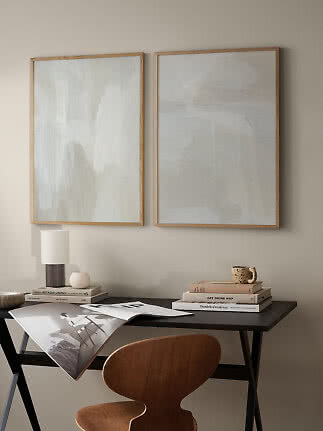
This is the wall you see the most, so start here. Art above a desk is seen from two heights: from your chair while you work, and standing up as you walk past. That’s why it should hang lower than on an open wall. Put the bottom edge about 10 in above the desktop – on a standard desk, the center of an upright 19.7x27.6 in then lands around 53 in from the floor, a little below the 57–59 in in our hanging guide.
One print or a pair? Aim for about two thirds of the desk’s width; a little less looks calm. Above a 47 in desk, one 19.7x27.6 in or two 15.7x19.7 in side by side usually fit. A 63 in desk can carry a 27.6x39.4 in on its side or a pair of 19.7x27.6 in. If your screen stands against the wall, let the art start above it – otherwise you’ll only ever see half of it. Enter your desk below and see what fits.
Size calculator
Choose the furniture, enter its width and see what fits – with the size, the gap and the height to hang it.
19.7x27.6 in · landscape
One large print that sets the tone – the wall does the talking. Covers about 59% of the desk’s width.
Shop 19.7x27.6 postersBased on our hanging guide: 8–10 in above the furniture, about 2.5 in between frames and the top edge no higher than 83 in. Standard furniture heights and an 8 ft ceiling.
Your colleagues see this wall more often than you do. On a laptop camera, fine detail turns to mush, so pick one or two prints with big shapes and clear contrast rather than a busy gallery wall. Hang them a little to one side, so nothing seems to grow out of your head, and turn the camera on before you drill: a frame that catches the window will glare in every meeting.
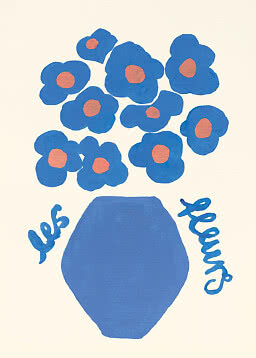
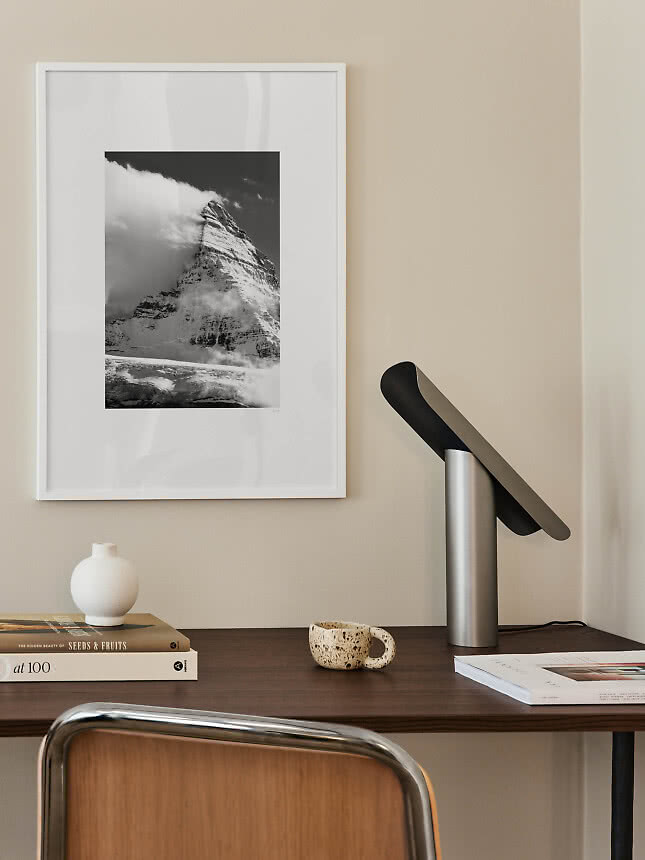
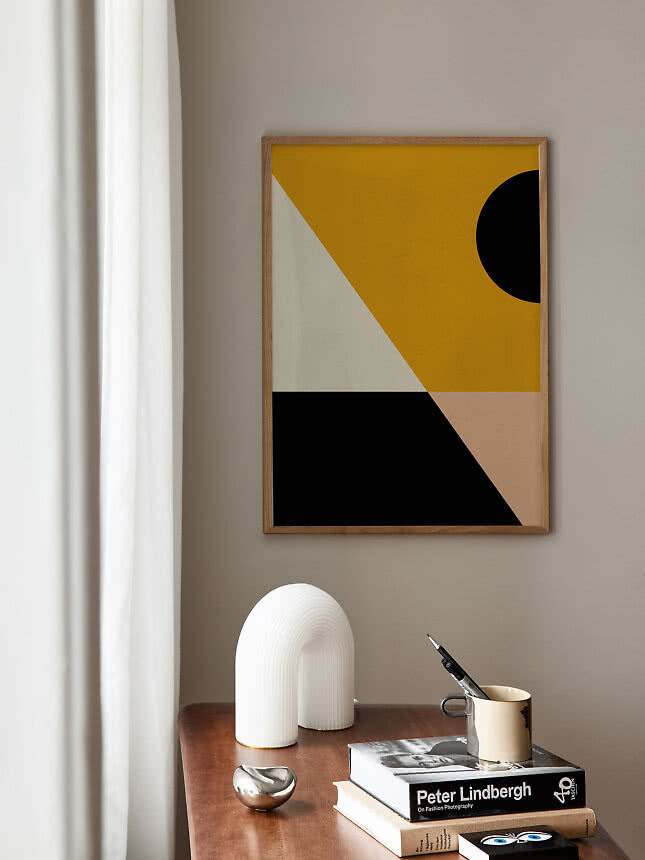
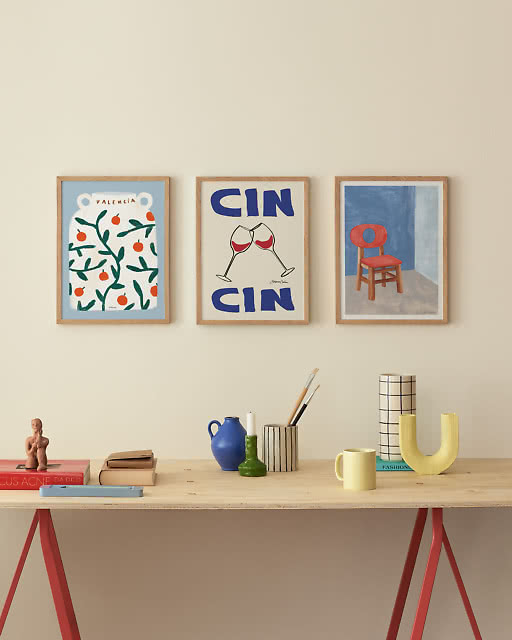
Calm or bold is up to you. A quiet black-and-white photo says focus; a graphic print says you have opinions about design.
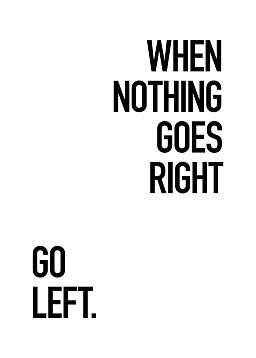
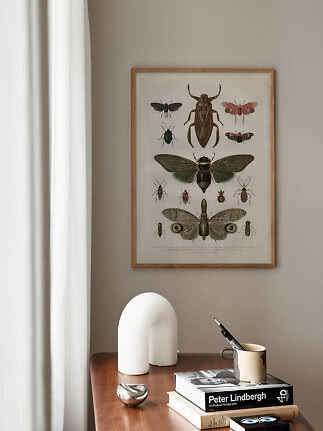
Art in a workspace has a job: to give your eyes somewhere to rest between tasks. Soft abstracts, open landscapes and calm lines do that well. Maps and architecture add a bit of structure – and a reminder of places you’d rather be. Then there’s the fourth kind: the poster that makes you smile when the inbox doesn’t.
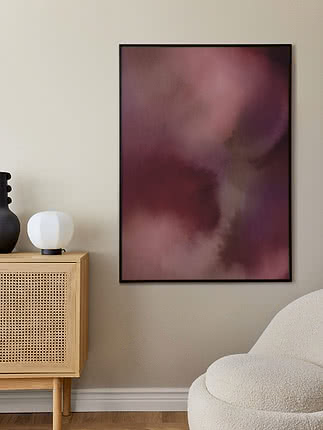
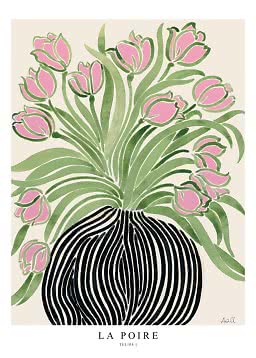
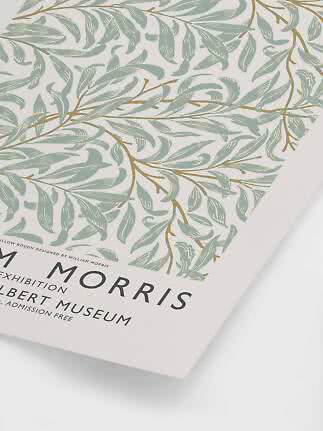
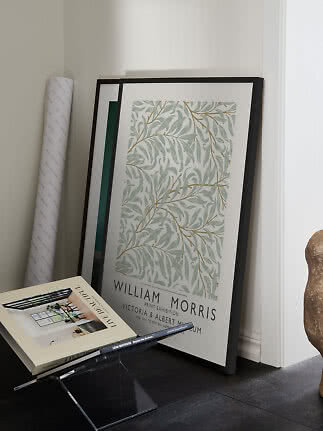
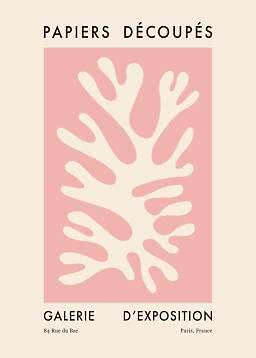
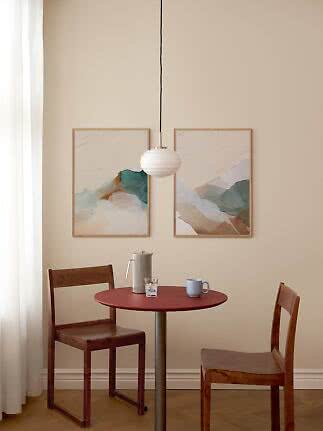
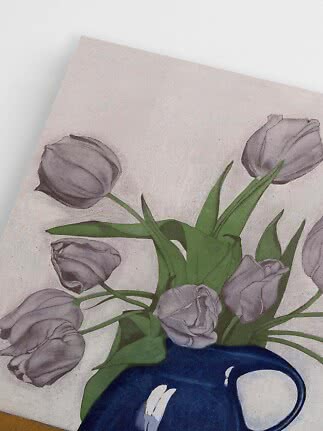
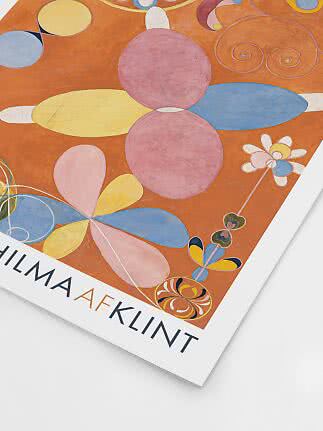
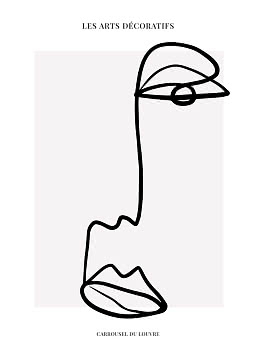
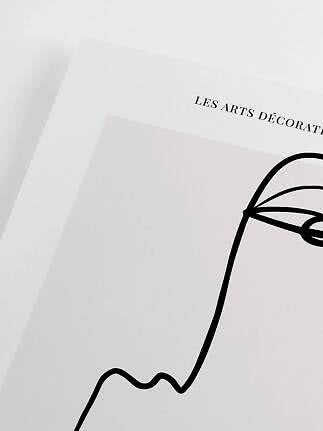
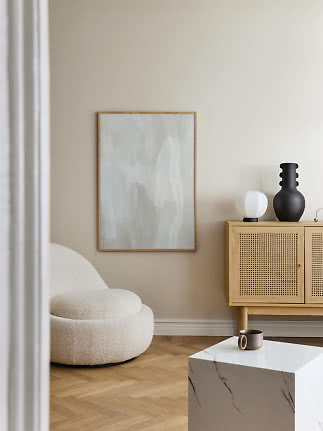
Soft shapes and quiet lines that let your thoughts settle. Easy to live with for a whole working day.
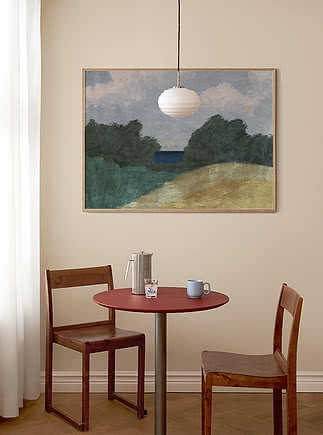
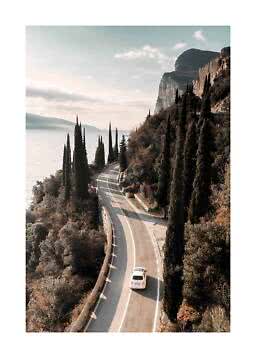
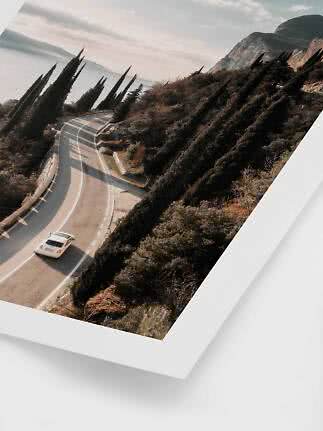
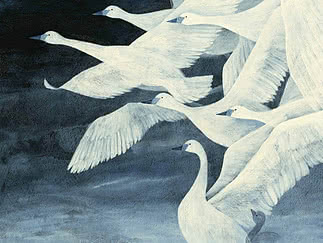
A view for when the window faces the neighbors. Fjords, sea and sand to rest your eyes on between tasks.
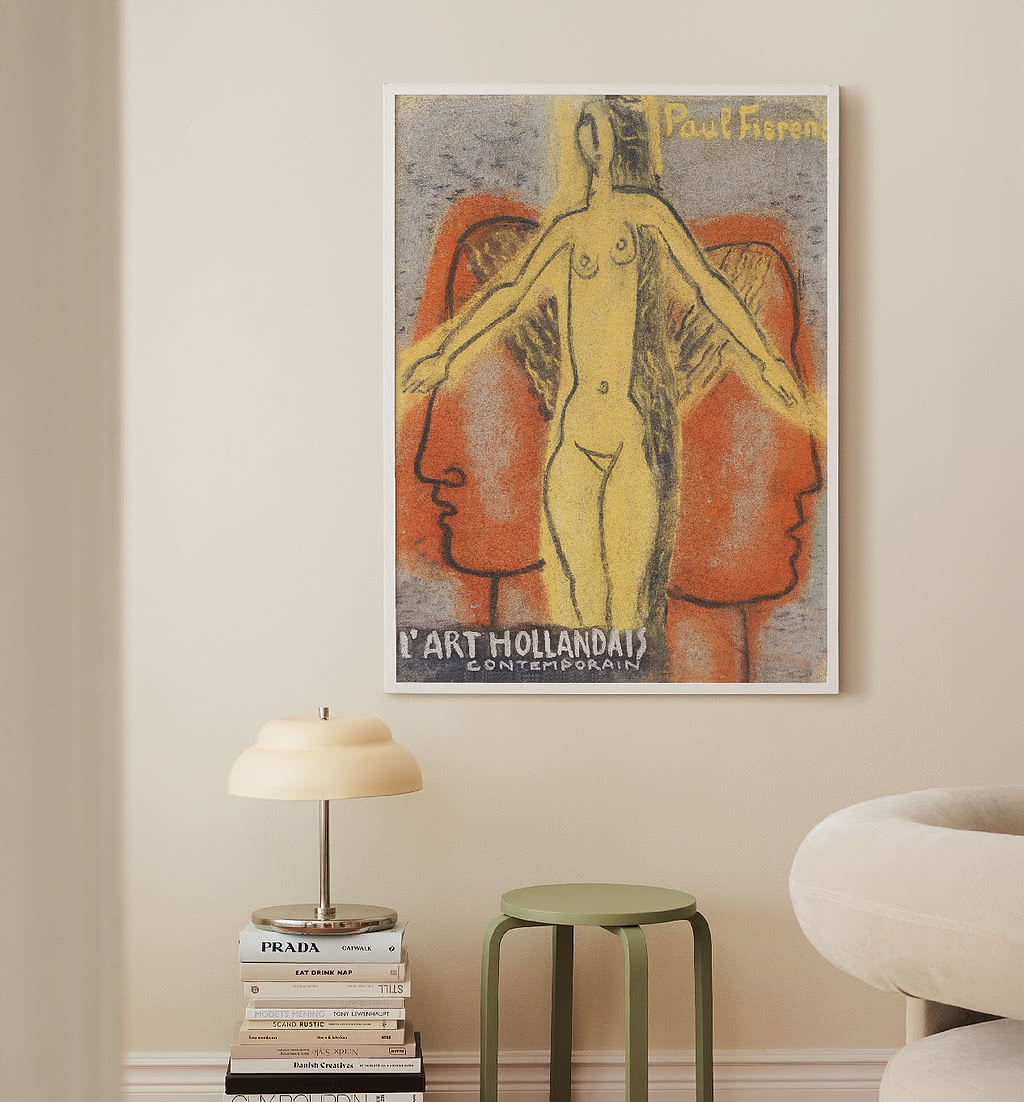
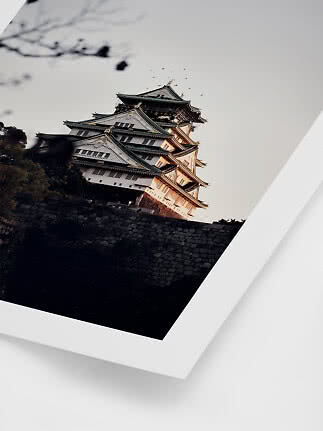
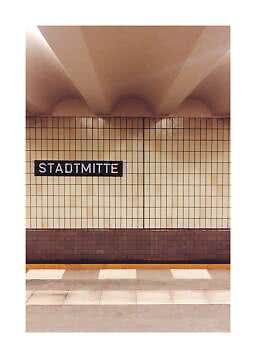
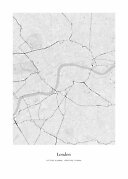
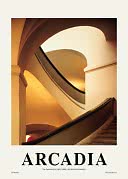
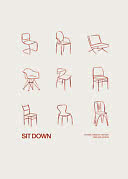
Structure for the wall: a city you love, a staircase to get lost in and a row of chairs for the design nerd.
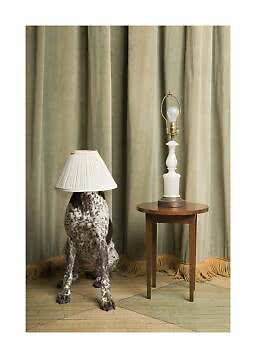
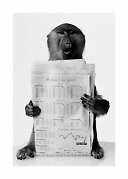
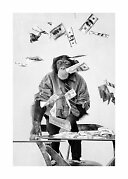
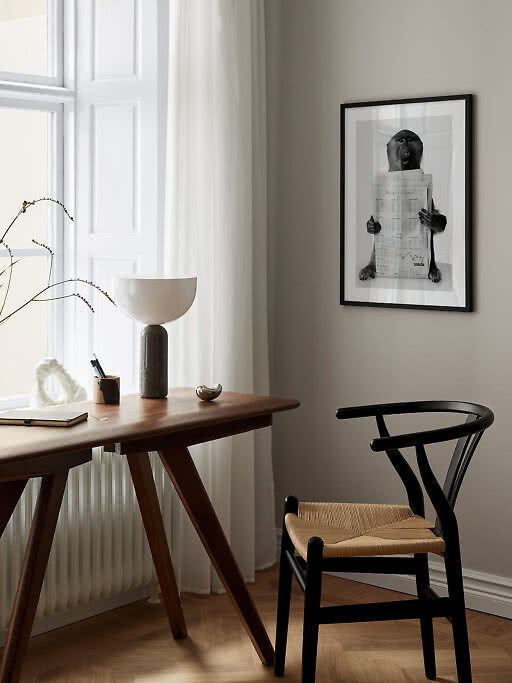
For days full of meetings: a monkey reading the markets, a group chat that never ends and a chimp who has clearly made it.
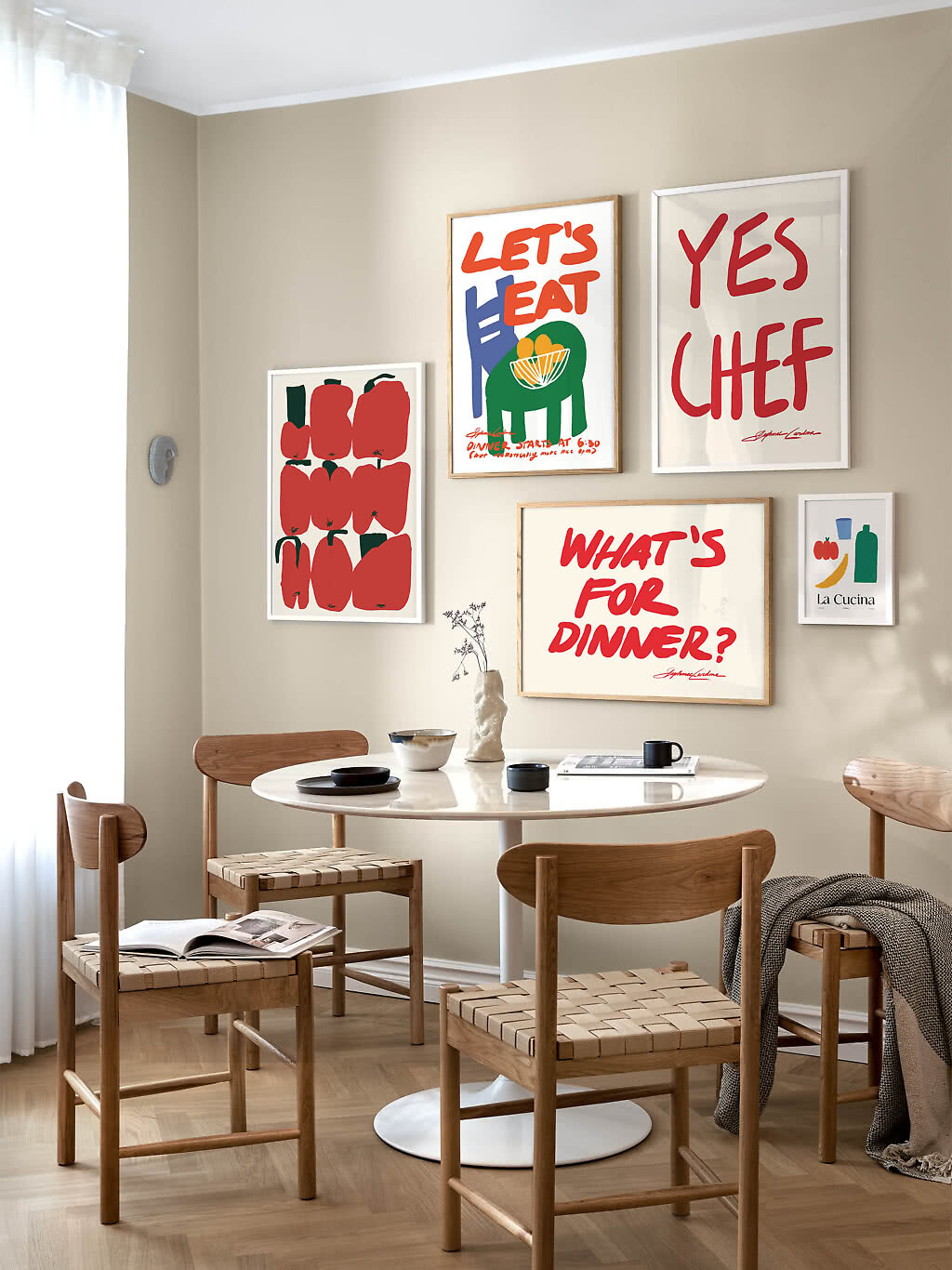
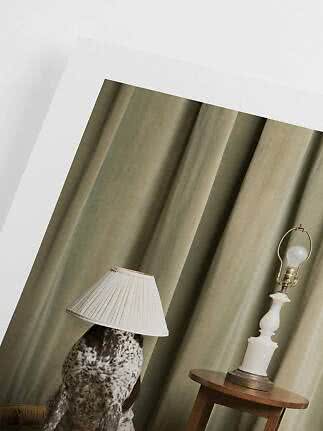
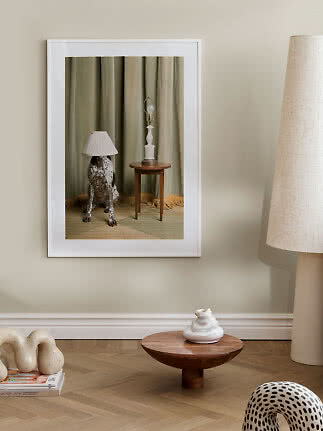
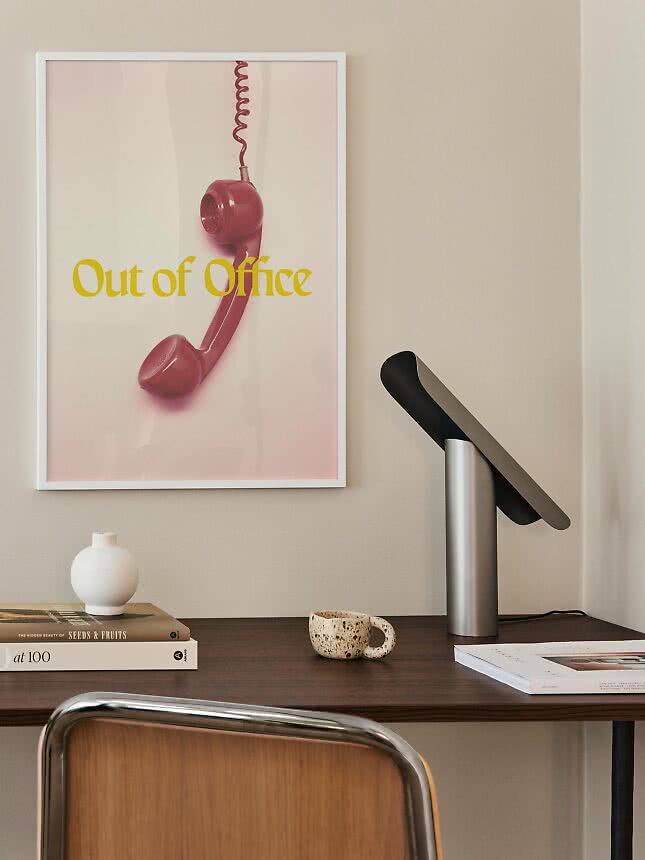
A home office doesn’t have to look like an office. One funny poster breaks up a serious day, gives the people on the other end of the call something to talk about, and reminds you that the report can wait five minutes. Black-and-white photos keep the joke stylish, and in an oak frame they look just as good in the living room if you ever move the desk.
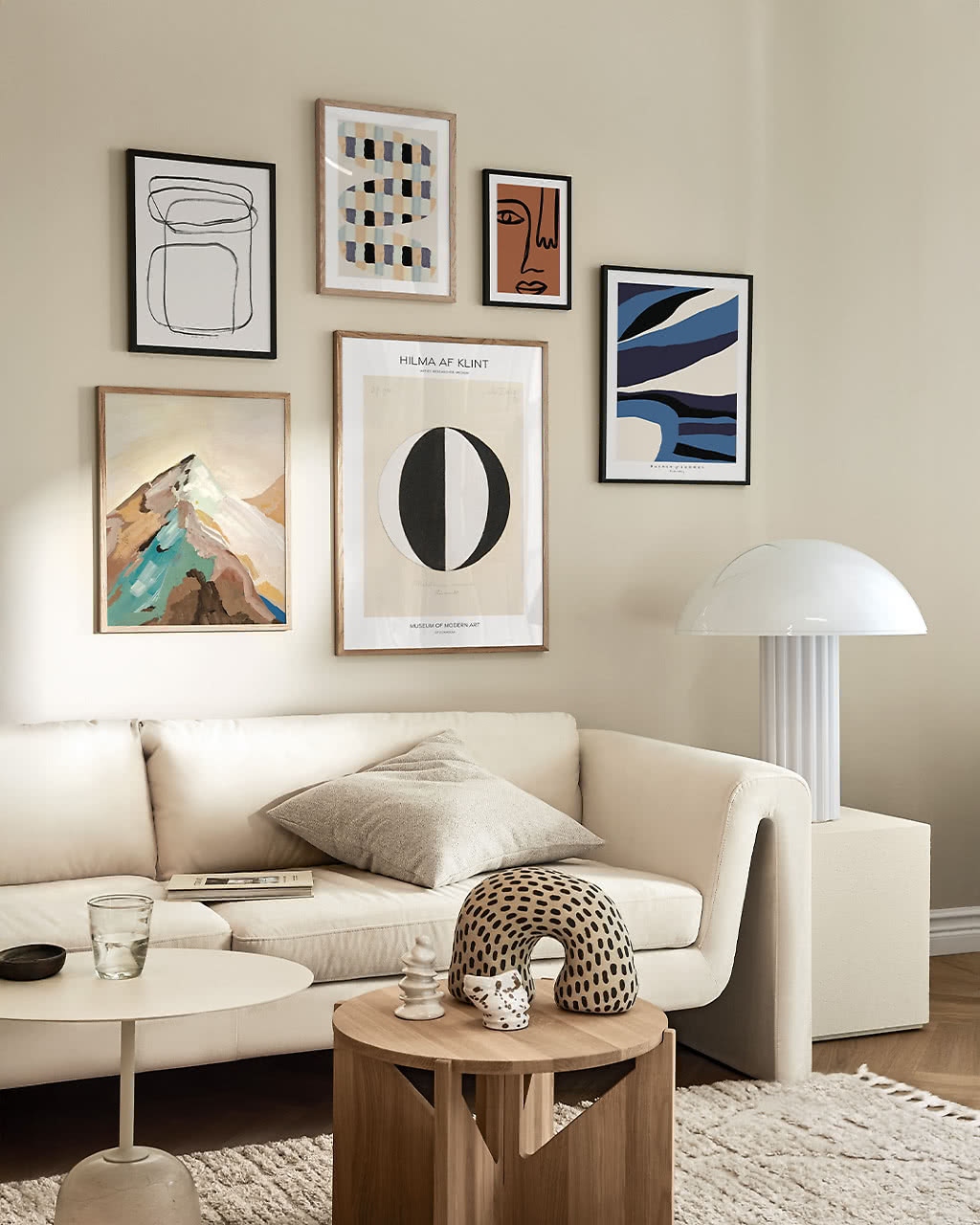
Want the whole wall sorted in one go? Each of these walls from our inspiration pages is built around a desk, and one click takes you to all the prints on it.
With the bottom edge about 10 in above the desktop. On a standard desk, an upright 19.7x27.6 in then has its center around 53 in from the floor – right in view from your chair and still comfortable when you stand. Enter your desk in the calculator above to see the exact height.
Above a desk of about 47 in, one 19.7x27.6 in or two 15.7x19.7 in side by side. A 63 in desk can take a 27.6x39.4 in on its side or a pair of 19.7x27.6 in. On a narrow desk, a single 15.7x19.7 in keeps it light.
One or two prints with large shapes and clear contrast read best on camera. Hang them slightly to the side of where you sit, and check that the glazing doesn’t reflect a window.
Art that lets your eyes rest: soft abstracts, landscapes, sea and sky. Maps and architecture add structure, and one poster with a sense of humor never hurts. Our office bestsellers are a good place to start.
Yes. Lean a frame against the wall on the desk or on a shelf, or use adhesive strips made for frames. A picture ledge needs screws once, and after that you can change the prints without new holes.
Home office bestsellers
New
New
More from the magazine
All articles →