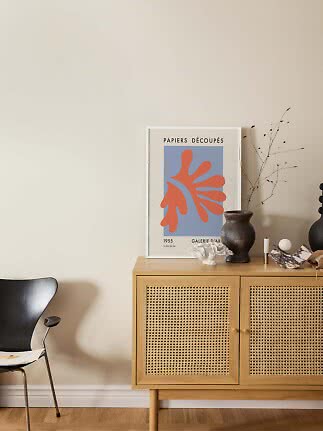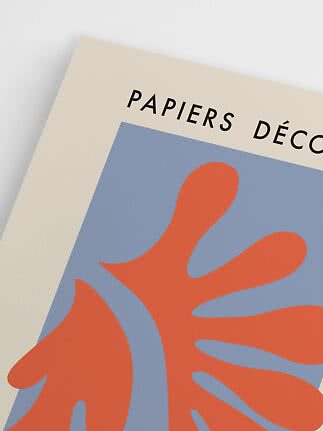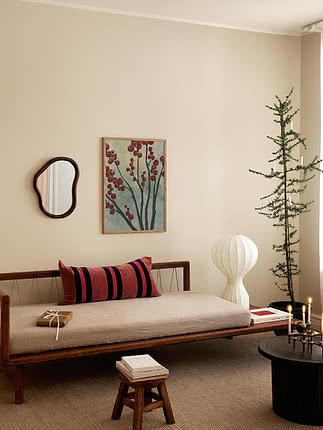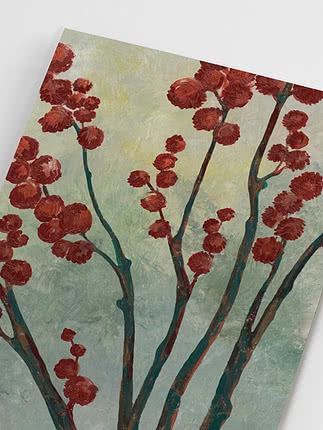
 (1).png)
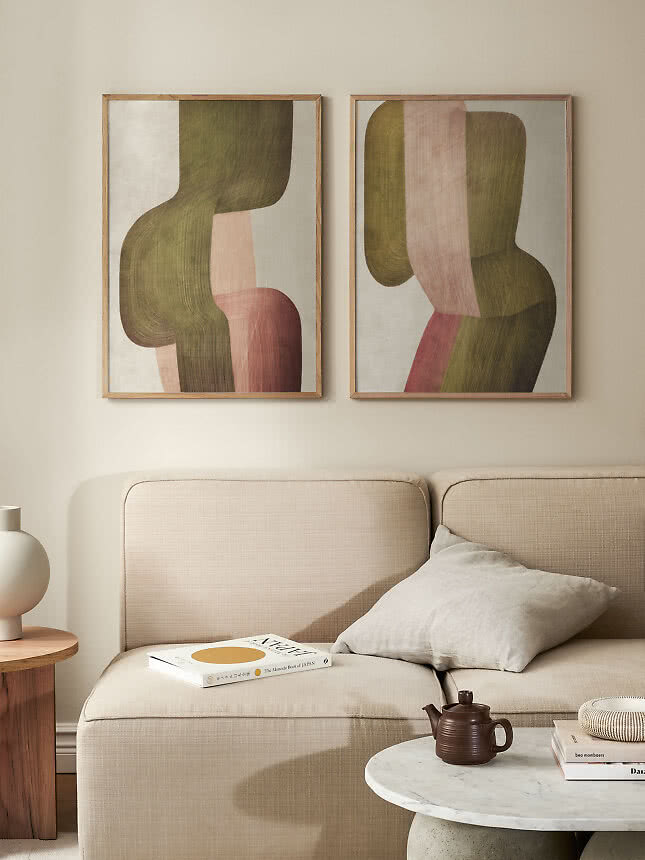
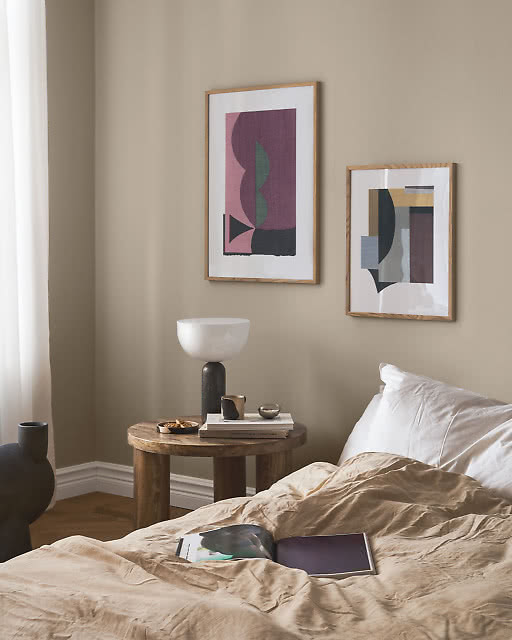
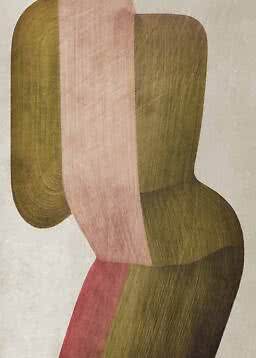
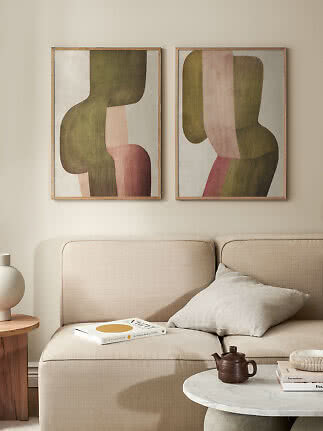
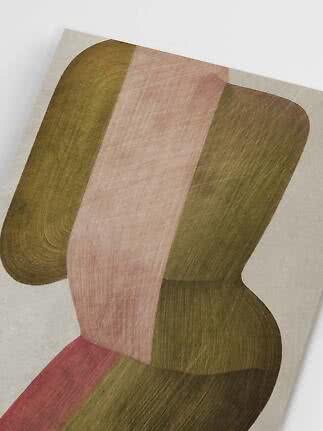
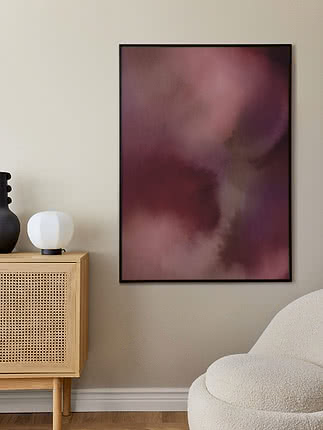
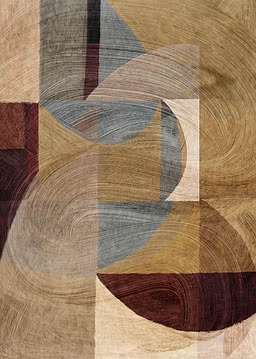
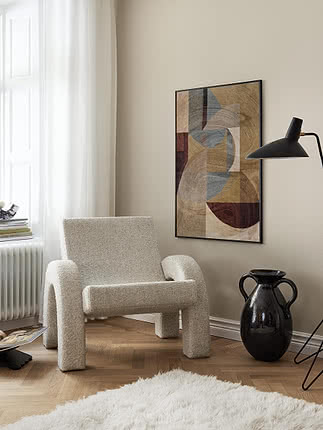
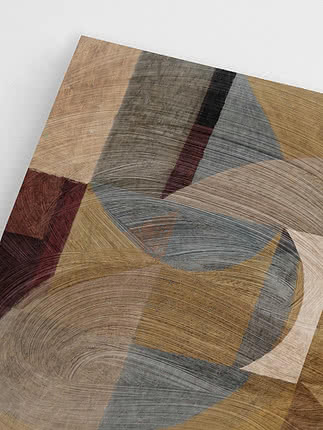
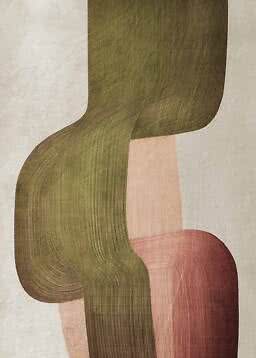
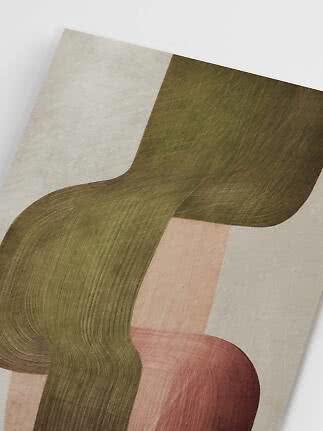
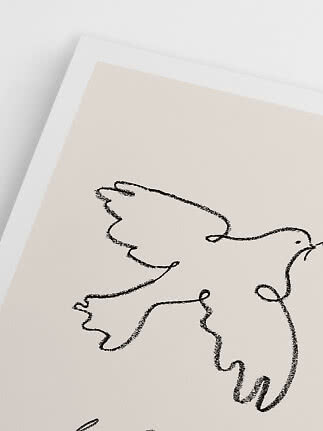
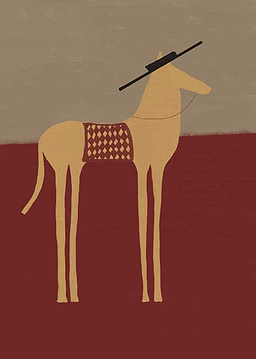
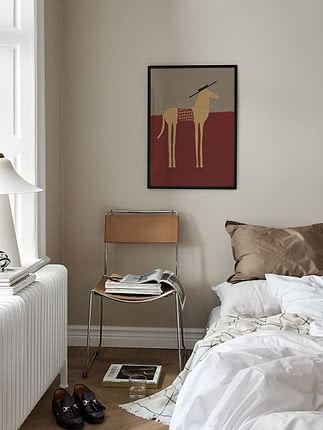
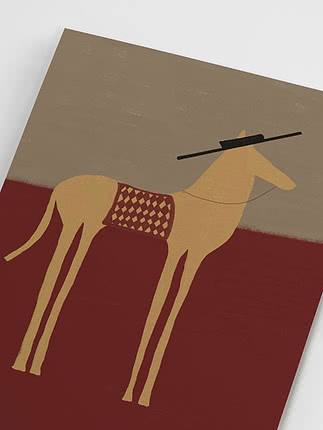
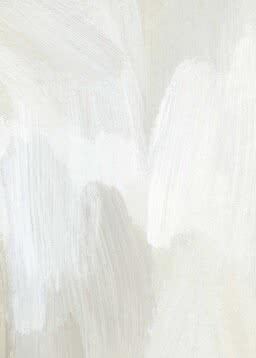
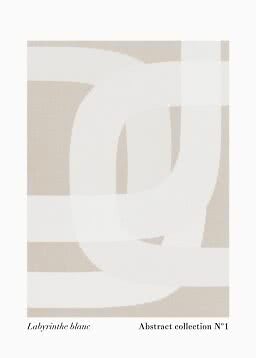
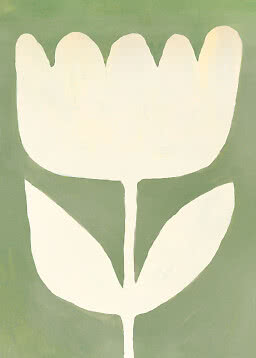
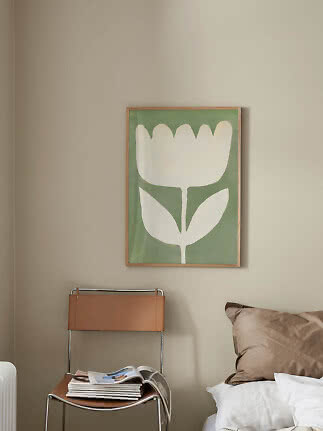
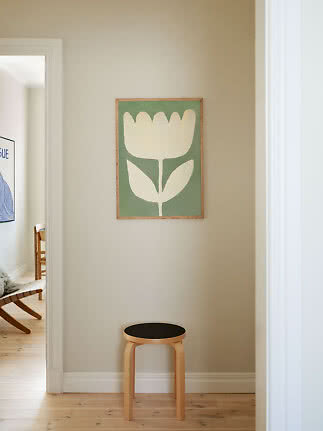
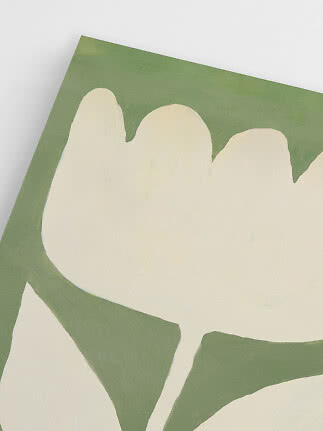
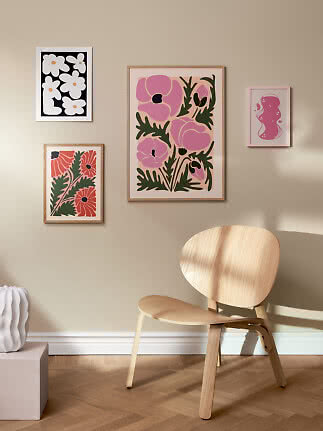
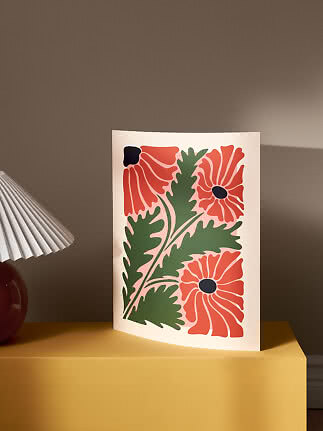
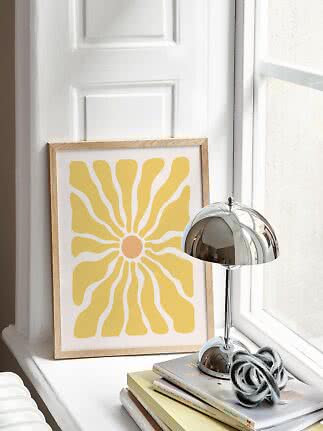
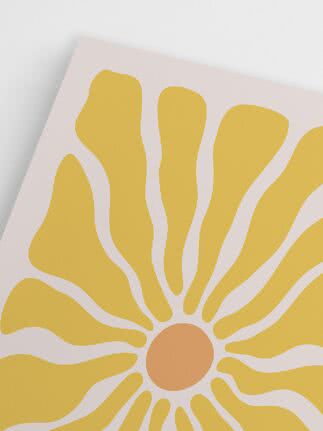
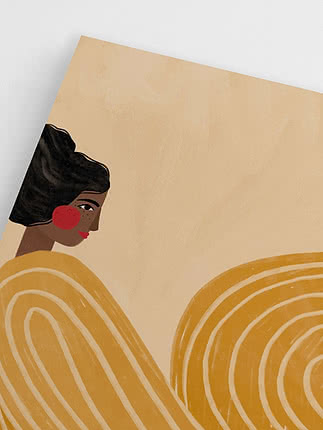
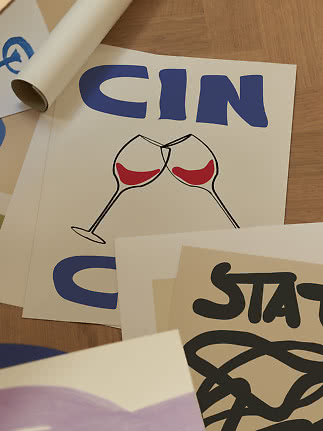
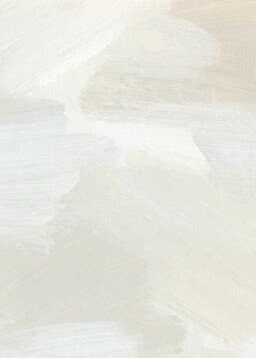
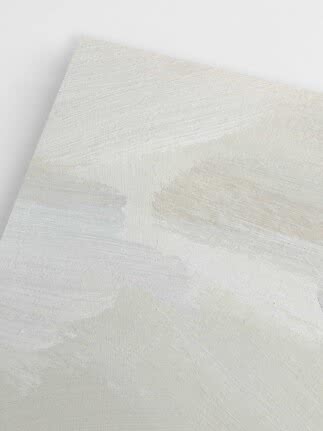
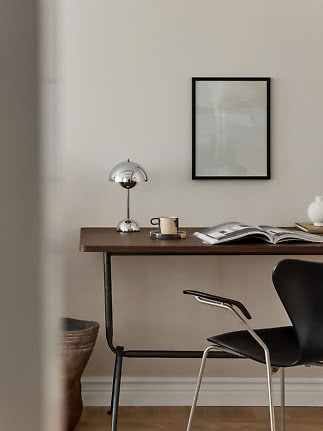
Muted Organic Flow I
Alma
€14,99€21,99
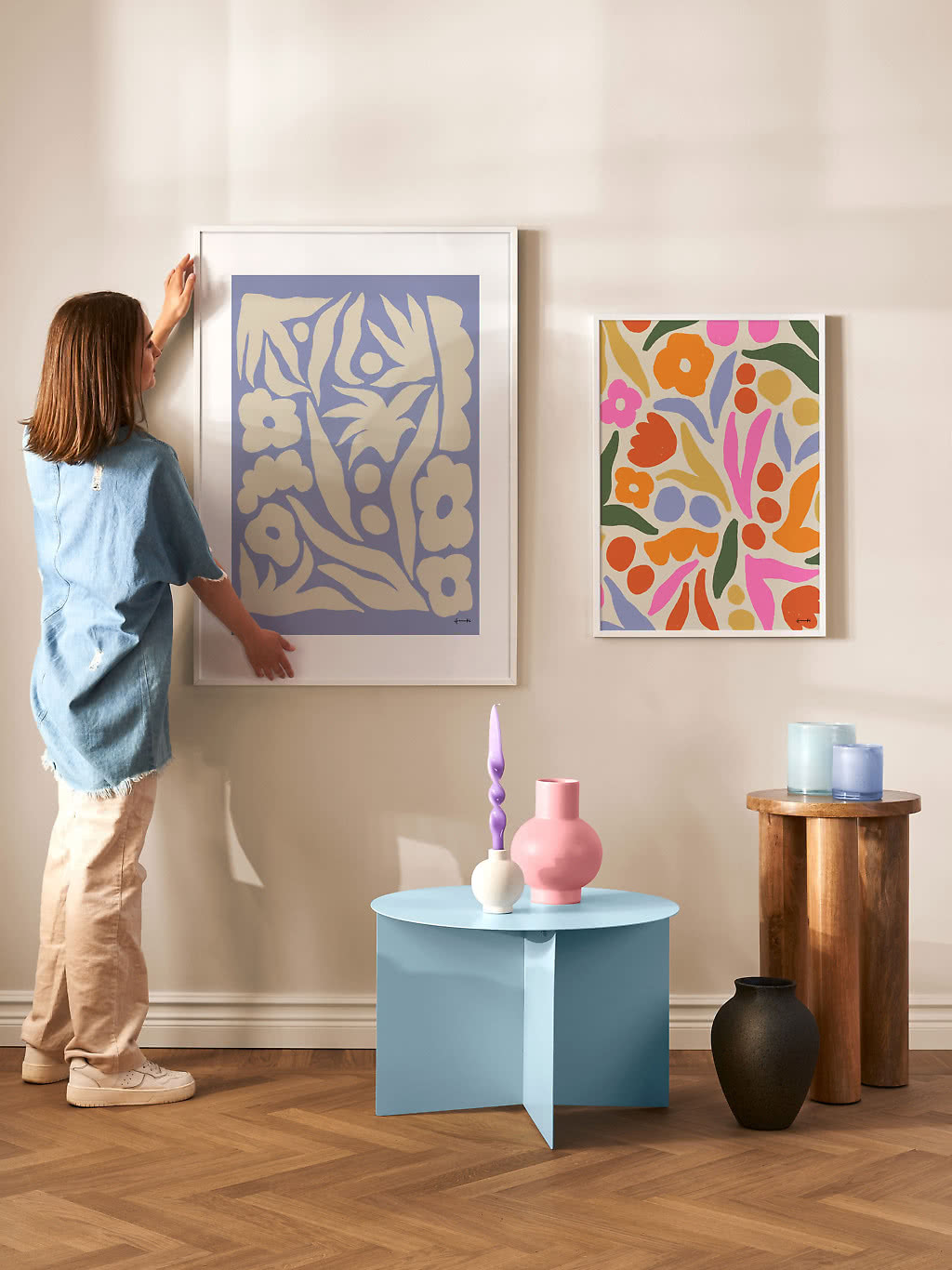
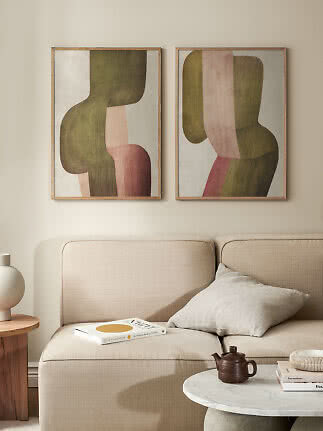
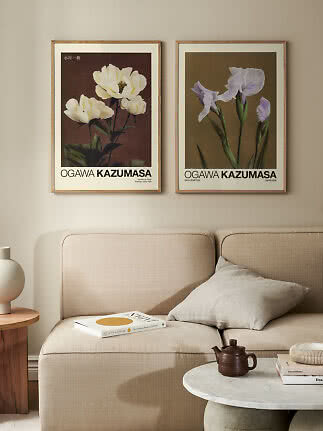
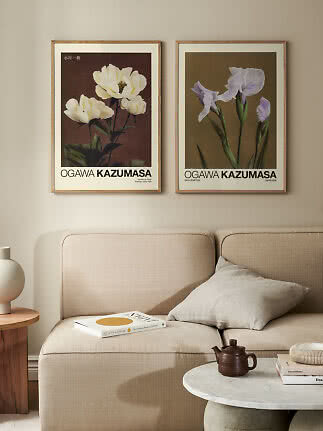
Two posters side by side is one of the easiest ways to make a wall look finished. It fills the space above a sofa, a bed or a sideboard, it’s simpler to plan than a gallery wall – and it’s easy to get right once you know what makes two posters belong together. Here are four ways to pair them, the sizes that fit your furniture and a few pairs we already love.
In short
One poster can look a little lost on a big wall, and a gallery wall takes planning. A pair sits right in between: it fills the wall and still feels calm, and you only have two things to get right – how the posters relate to each other, and how they hang.
The first part is the fun one. The posters don’t need to match, but they should have something in common, and something that sets them apart. Every pair below comes from our inspiration walls, where you can shop both posters with the frames and sizes in the picture.
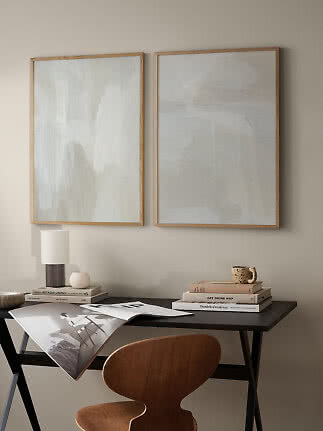
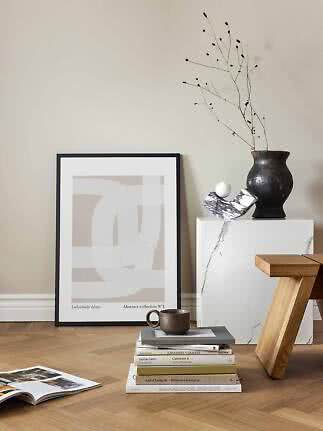
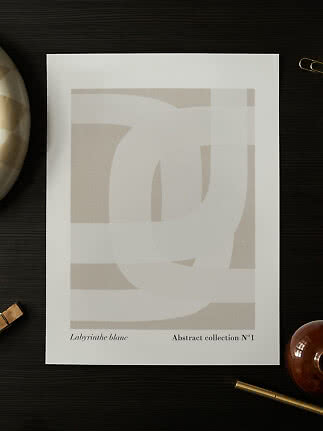
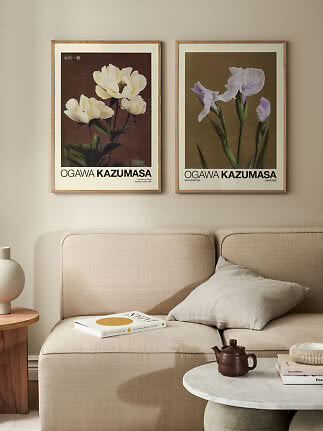
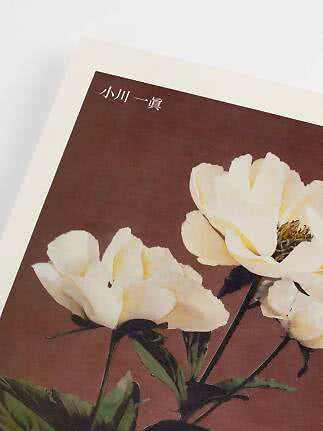
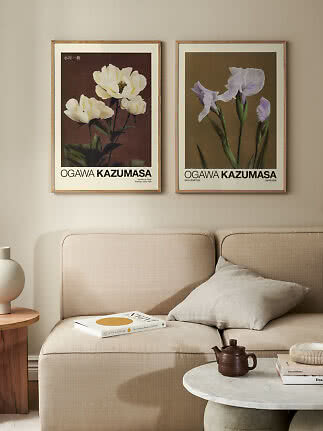
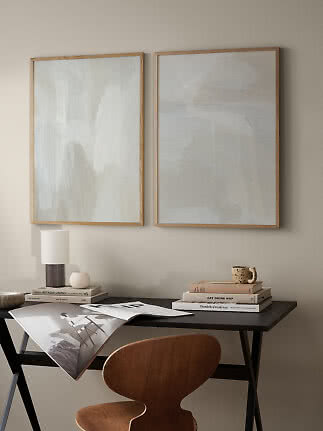
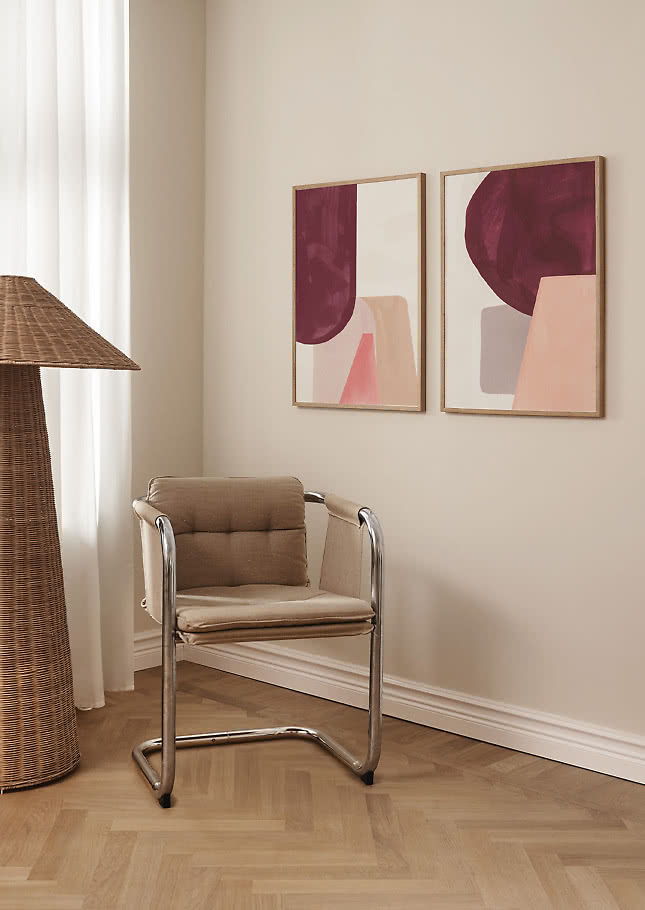
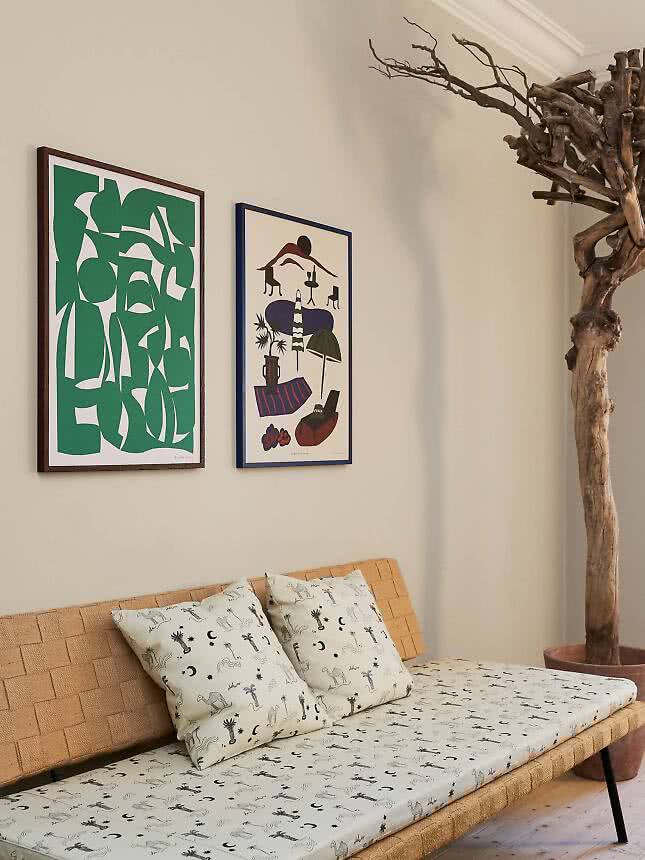
The safest pair of all. Many of our posters come in series – two or more motifs made to hang together, with the same colours and the same hand behind them. Hang them side by side in the same size and frame, and the wall looks calm and deliberate.
It’s also the easiest way to choose: find one poster you love, and see if it has a sibling. Curved Abstracts and Fluid Organic Forms are two of our favourites.
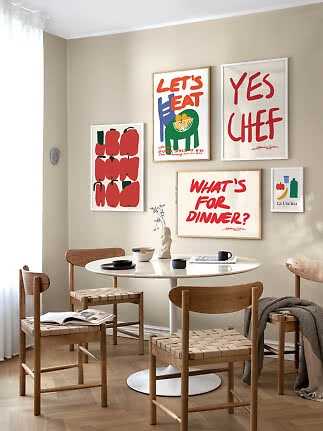
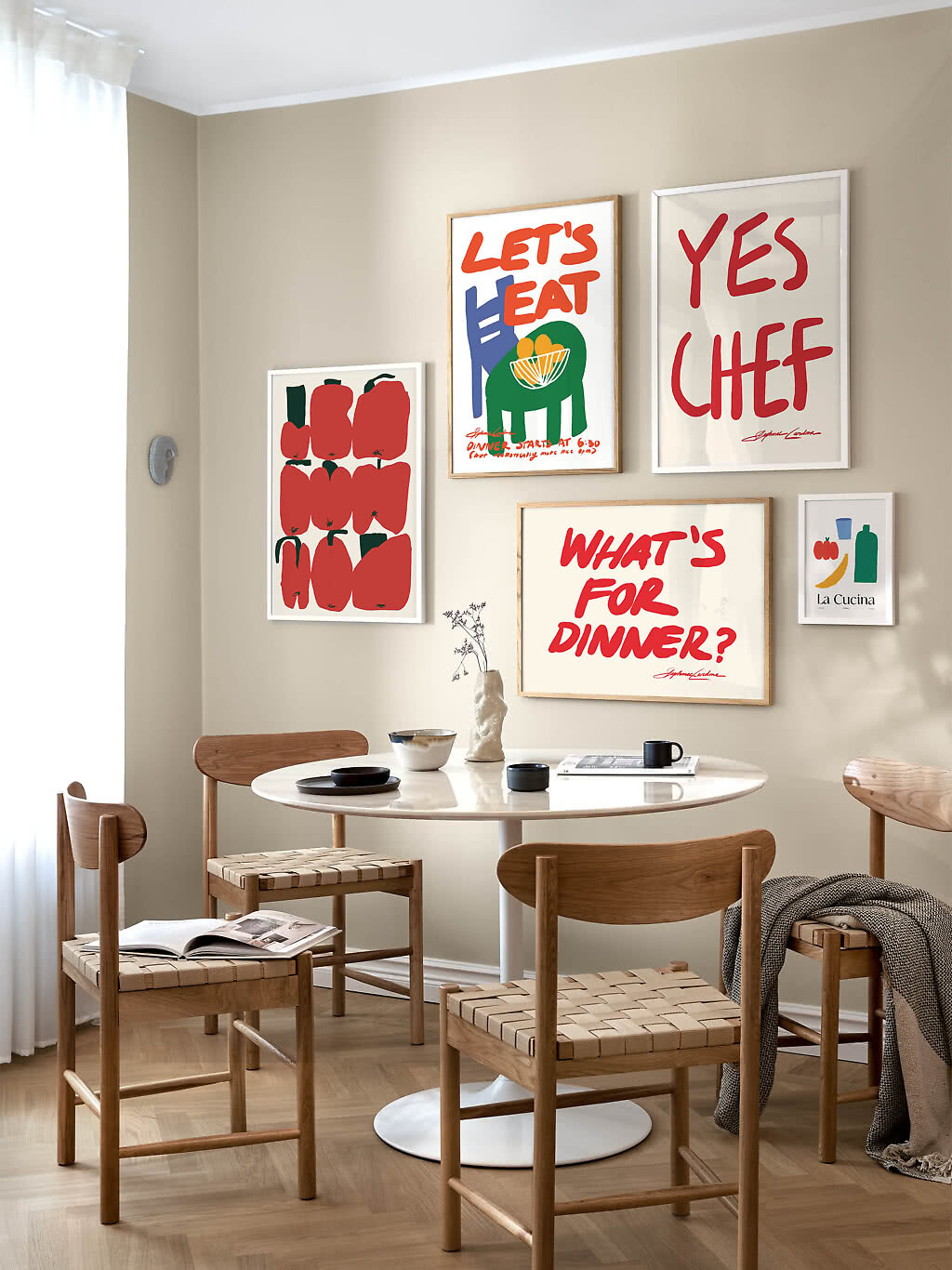
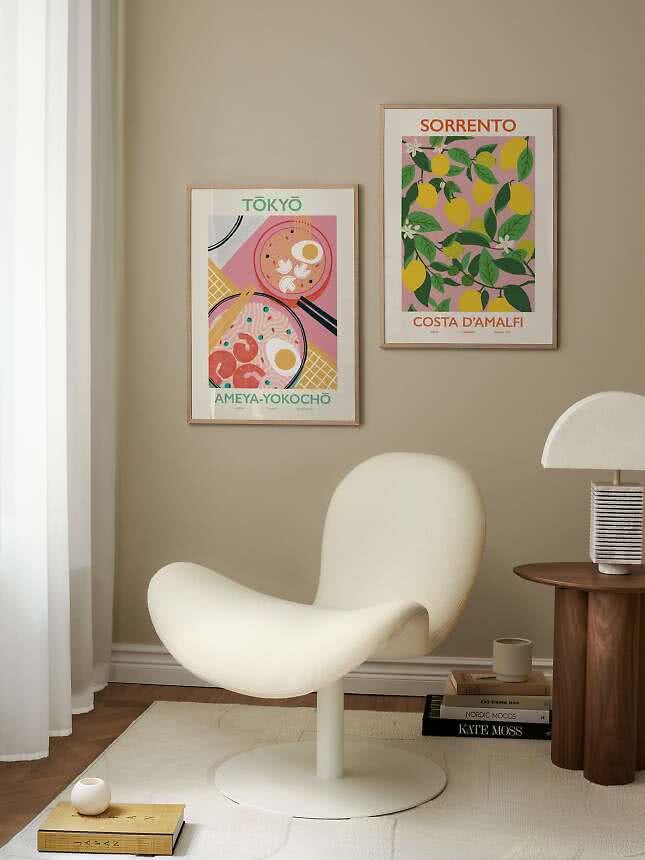
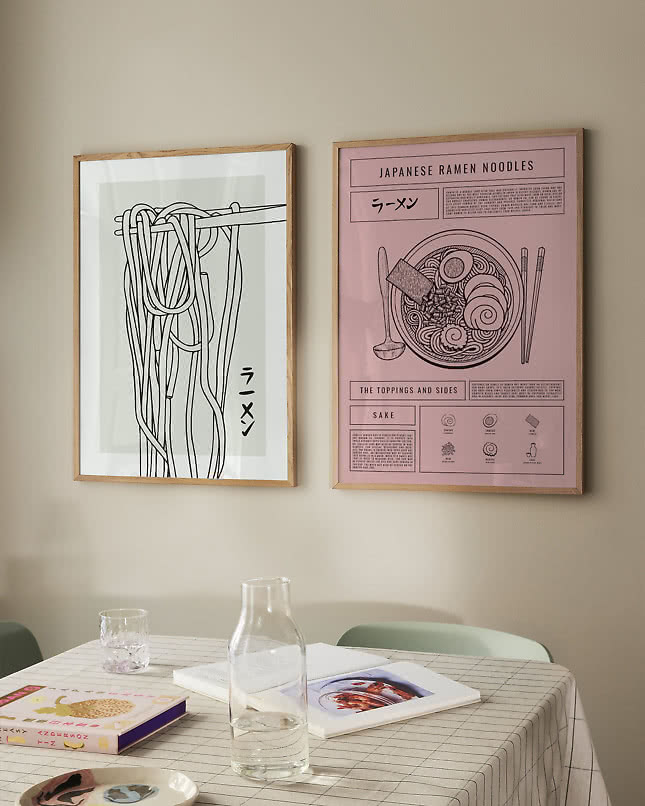
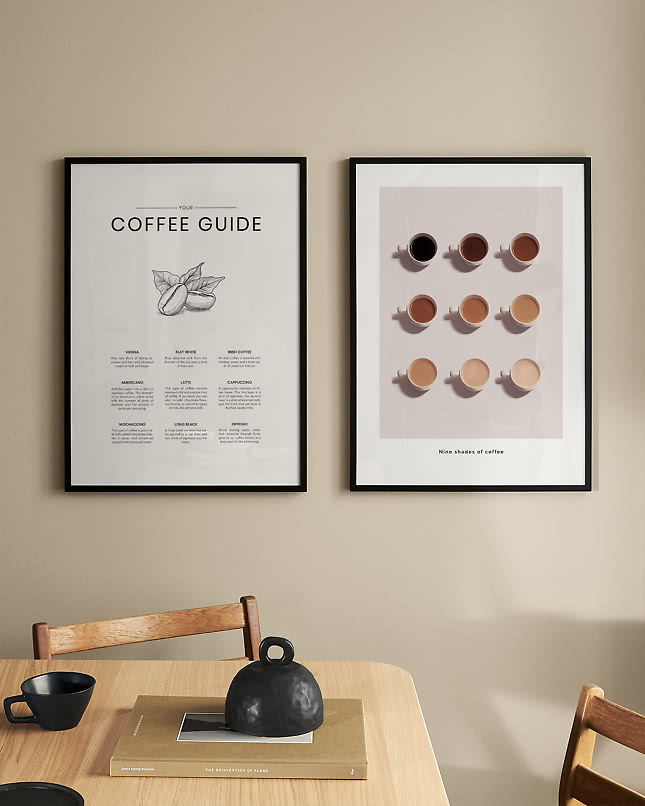
Keep the subject, change the motif. A line drawing of noodles next to a ramen guide, a coffee guide next to nine shades of coffee: the theme ties the two together, and the difference between them keeps the wall interesting.
It works especially well in the kitchen and around the dining table, where food and drink are the obvious theme. More ideas in our kitchen guide.
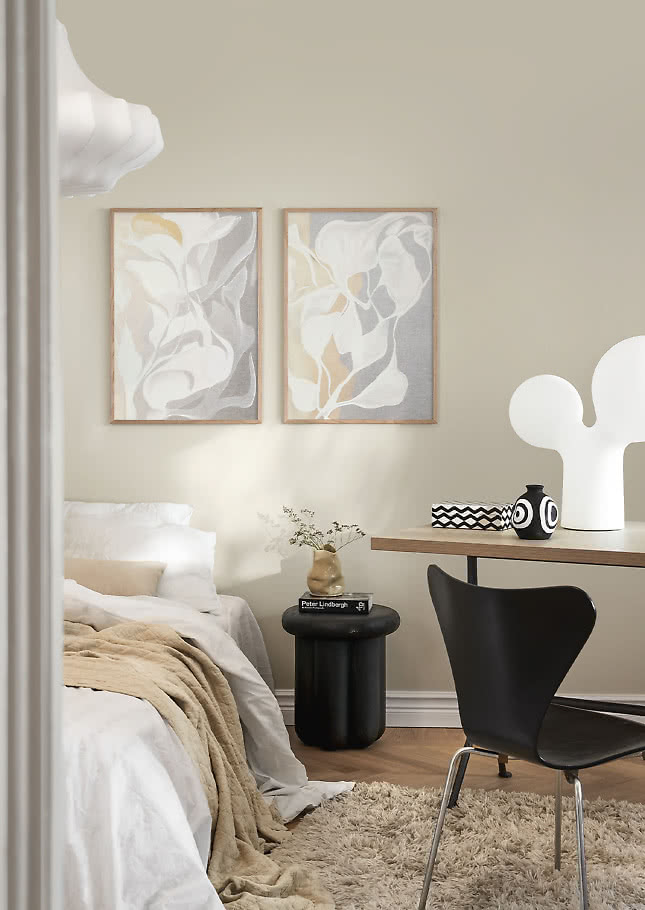
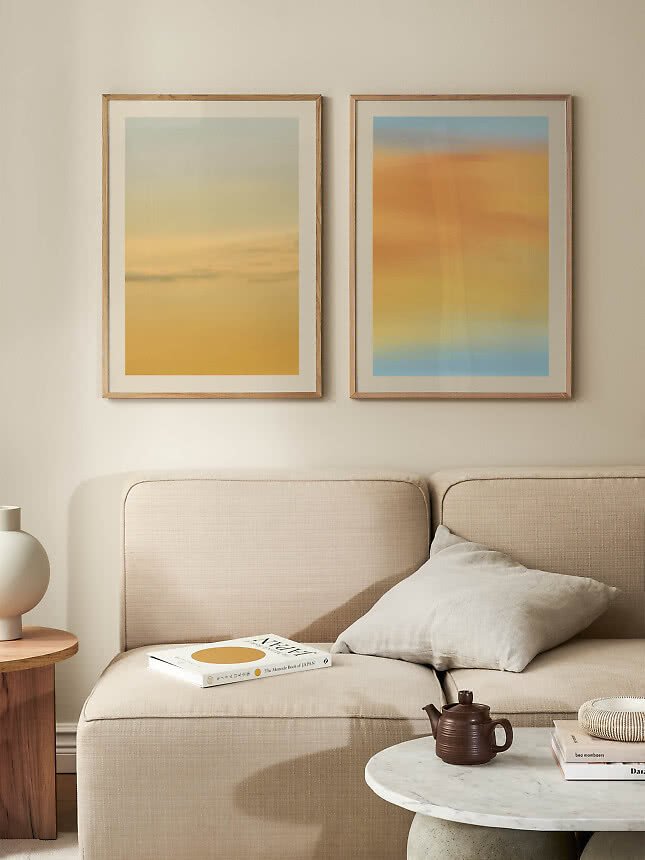
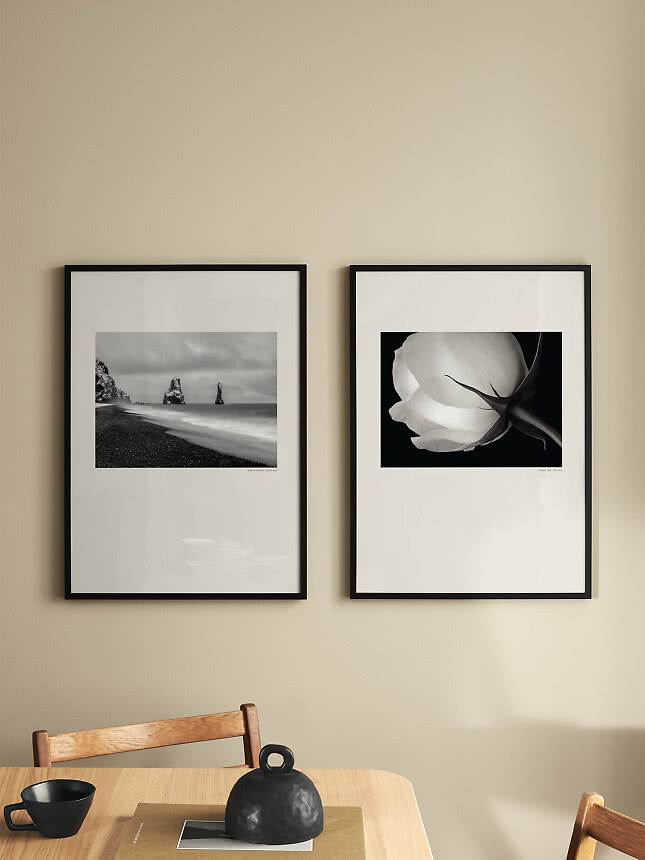
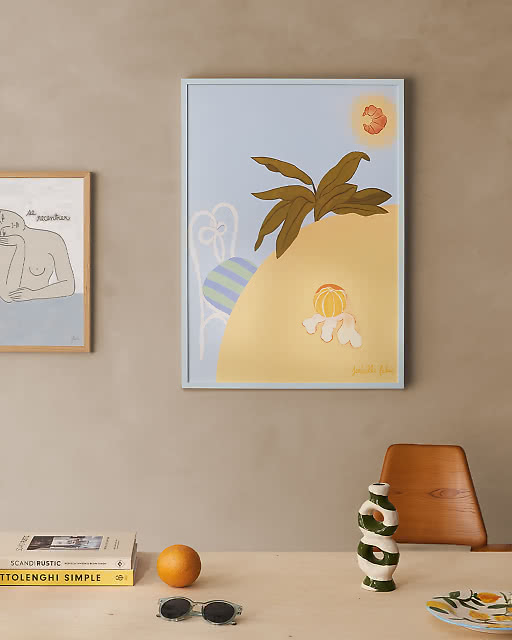
Two posters don’t need to share a subject if they share a palette. Look for a colour that appears in both – the soft yellow and blue of Yellow Study and Soft Rise, or the black and white of two photographs – and the pair will feel like it belongs together, even if the motifs are worlds apart.
A simple test: put the two next to each other on your screen and squint. If the colours blend into one picture, they’ll work on the wall.
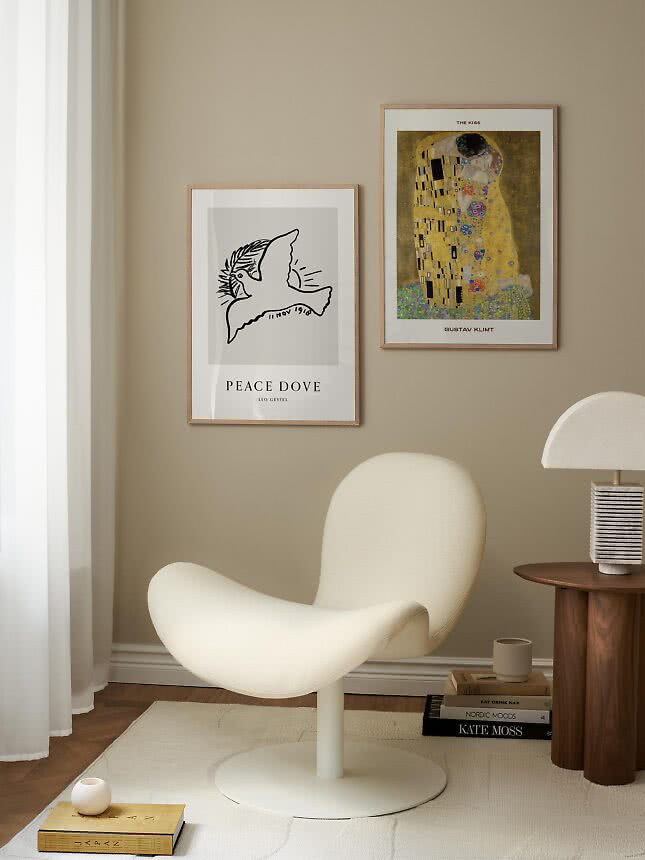
The bolder option: two posters that are clearly different. A line drawing next to a golden painting, a graphic shape next to an illustrated scene. Contrast works best when something else stays the same – the size, the frame or the height they hang at. Then the difference looks intentional.
Not sure? Let one of the two be calm. A quiet poster next to a loud one is easier to live with than two that both want attention.
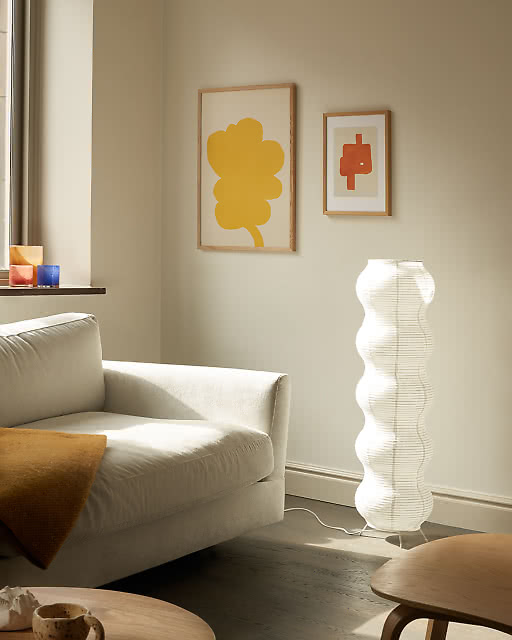
A pair doesn’t have to be two of the same size. A 50x70 next to a 30x40 or a 40x50 feels more relaxed – a little like the start of a gallery wall. There are two ways to make it look right: let the two share a centre line, or let their bottom edges sit on the same line. Keep the gap the same as for a matching pair, 5–8 cm.
It’s also a good way to mix a portrait poster with a landscape one, or two different frames.
Measure a pair as one piece: two frames plus the gap between them. Aim for about two thirds of the width of the sofa, bed or sideboard below. Here’s what that looks like, drawn to scale. For a single poster, our poster size guide has the rest.
Two 70x100, about 146 cm wide – the right size for a 200 cm sofa.
Two 50x70, about 106 cm wide – lovely above a 160 cm bed, with a lamp on each side.
A 50x70 and a 30x40 on a shared centre line, about 86 cm wide – for a 120 cm sideboard.
Two 30x40 stacked, about 86 cm tall – beside a window or above a small side table.
More tips in our guide to hanging wall art.
They don’t have to be. Two of the same size feel calm and balanced; one big and one small feel more relaxed. If the sizes differ, give the two a shared centre line or let their bottom edges sit on the same line.
Usually, yes – the same frame ties two different motifs together. Different frames work too, as long as the two posters still share something, like a colour.
5–8 cm. Closer, and the two read as one piece; much further apart, and they start to look like two separate pictures.
Yes. Hang them on a shared centre line and keep the frames alike, so the pair still looks planned.
About 20–30 cm above the back of the sofa and 15–25 cm above the headboard. On an empty wall, the middle of the pair goes at 145–150 cm from the floor.
Bestsellers – several of them come in pairs
New
New
New
New
New
New
New
More from the magazine
All articles →